The hurdles facing contactless payment adoption across Nigeria
Nigeria has the technology for contactless payment, yet it remains underused as consumers stick with cash, cards, and transfers.
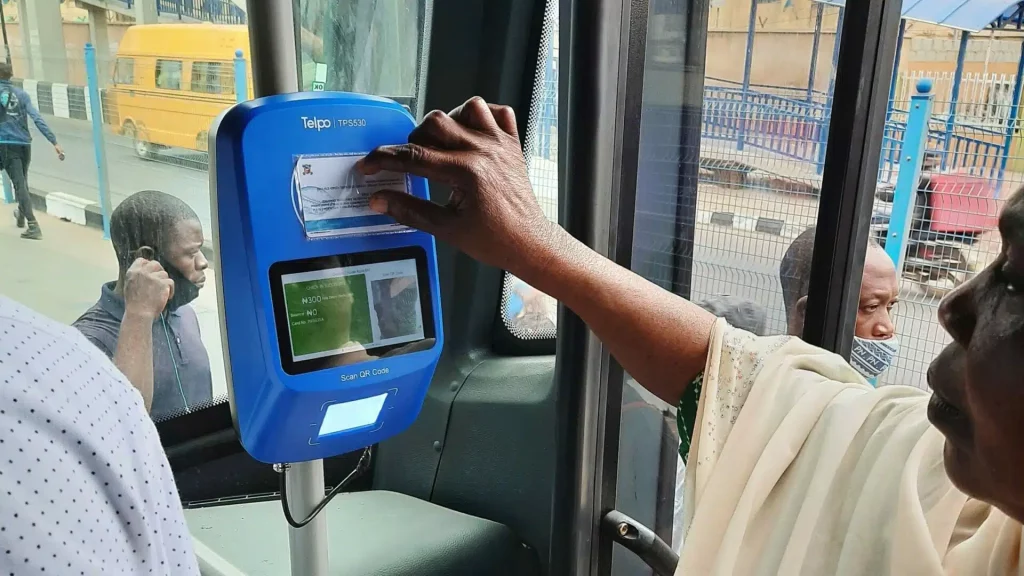
Nigeria faces significant obstacles in adopting contactless payment methods, despite the growing demand for digital transactions. Cash remains the primary mode of payment in Nigeria, though its usage has declined by 59% between 2014 and 2024. Contactless payment adoption has been hindered by a lack of compelling reasons for consumers and merchants to switch from traditional payment methods.
One potential solution is the partnership between CashAfrica and Food Concepts to introduce mobile tap-to-pay at Chicken Republic's 350+ outlets. However, this initiative alone has not been enough to create widespread adoption. Trust is another major concern, as consumers are wary of payment fraud and removing PIN authentication can create friction. In 2023, the Central Bank of Nigeria issued guidelines to address this issue, allowing transactions up to ₦15,000 without additional verification and a daily limit of ₦50,000.
The technology for tap-to-pay is not new, and many businesses already have POS terminals that support NFC. However, the challenge lies in convincing consumers and merchants to make the switch. Tap-to-pay can be integrated into the existing POS network, potentially normalising more advanced forms of authentication and helping shift more transactions from cash to the formal digital economy.
Nonetheless, for tap-to-pay to succeed, it must offer a distinct advantage over existing payment methods and provide a compelling reason for consumers and merchants to adopt it.
Written by urgent.news from TechCabal's reporting — not their text. Machine-written — may contain errors; check the original before relying on it.