The challenge of raising a generation of readers in the age of screens
When Deema Al Alami’s son asks for a new book , the answer is always "yes". There are no spending limits and no questions about whether he really needs another one. A game for the iPad , on the other hand, is an entirely different proposition. “If my son ever says he wants to go buy a book, there’s no budget,” she says. “He can ask me to buy a book any time, anywhere, whenever he wants. If he…
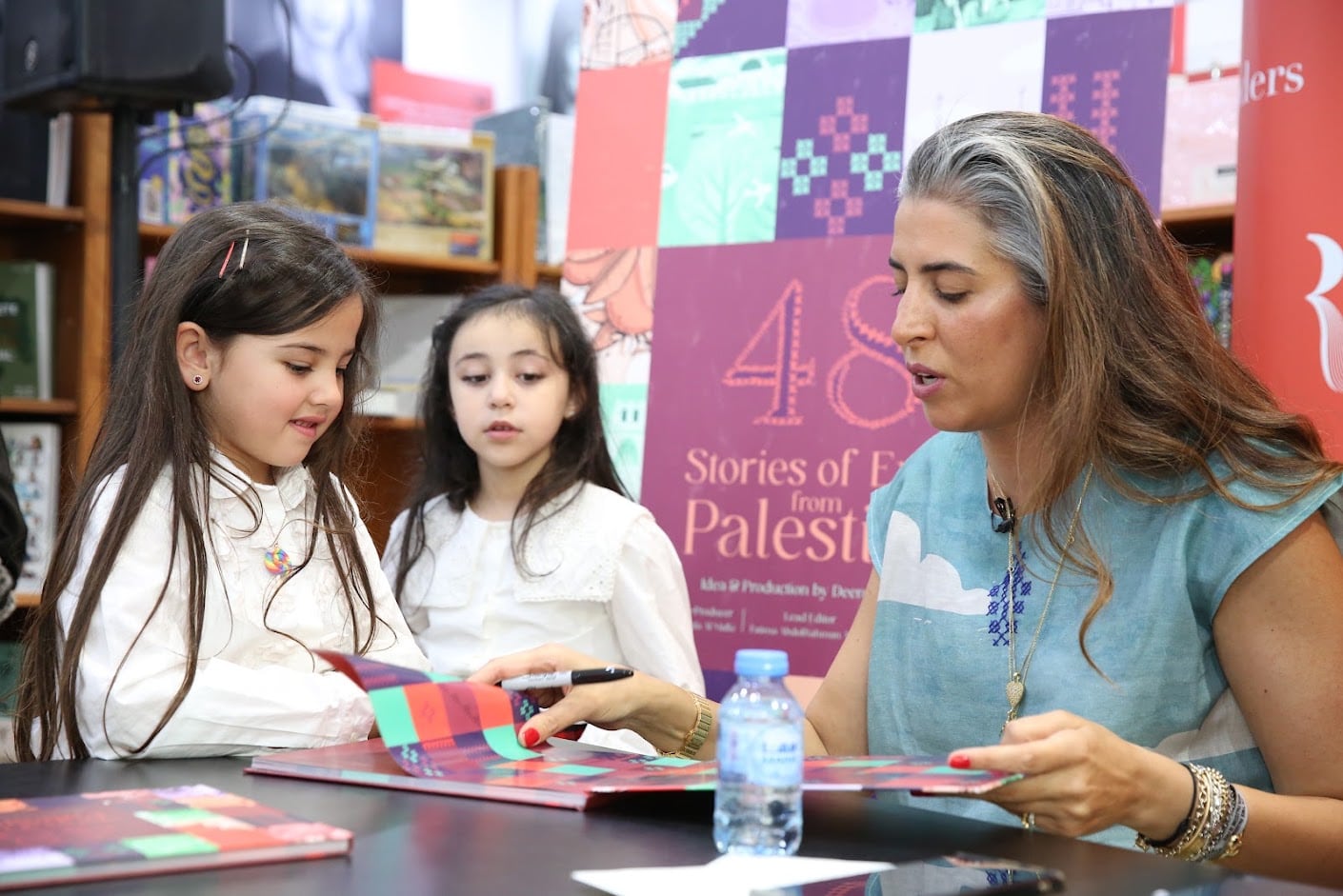
Deema Al Alami's son continually requests new books, without any limits or concerns about their necessity. In contrast, a game for an iPad is viewed differently. When her son asks for a book, there are no restrictions; she will buy him one at any time. If he asks for an iPad game, she makes him wait until he earns one. This approach highlights a critical challenge faced by parents and educators in the UAE: encouraging children to read amidst the abundance of instant entertainment offered by screens.
The challenge is further complicated by the fact that children often switch between Arabic, English, and other languages, which can involve navigating questions of identity, culture, and belonging. However, experts emphasize that the solution does not lie in vilifying technology, but rather in integrating books into children's lives as natural and rewarding experiences.
Experts agree that fostering a reading habit should begin early in a child's life. Research conducted by the Emirates Literature Foundation reveals that children who are read to daily during their early years are 63% more likely to read independently, compared to just 19% for those read to only once a week. This statistic underscores the profound influence that parental involvement at home can have on a child's future relationship with books.
Nevertheless, establishing this habit may necessitate a cultural shift for some families. Deema notes that in her culture, storytelling was traditionally oral, lacking physical books. This oral tradition requires a shift towards making books a tangible part of children's lives. Importantly, reading should not be solely perceived as an educational task.
The Emirates Literature Foundation's Reading for Pleasure program, launched in 2023, aims to change this perception by giving pupils in six Dubai primary schools access to books in both Arabic and English, along with ample time for independent reading without any testing. The program stresses the importance of allowing children to explore books freely, choosing what they are drawn to and spending time with it without any pressure or questioning.
This approach contrasts with the often academic focus of schools, where literacy is measured strictly. Former primary school teacher Deema believes schools should also prioritize letting older children choose their own reading within a specific genre, thereby giving them a sense of ownership over the experience and enabling them to connect with stories that resonate with their identity.
Competing with technology remains a significant hurdle for promoting reading. Digital devices have become integral to children's daily lives, encompassing education, entertainment, and social interactions. Moreover, the advent of artificial intelligence is providing new avenues for information access, often without the necessity for in-depth reading or critical investigation.
Recognizing this, Ahlam Bolooki, CEO of the Emirates Literature Foundation, advocates against a complete technological overhaul, emphasizing that technology is here to stay and children must learn to navigate it effectively. However, she expresses concern about the potential loss of deeper thinking skills in children who become accustomed to immediate answers from AI.
To counterbalance this, Ahlam supports recent initiatives in the UAE that limit laptop use in certain year groups, advocating for opportunities that foster imagination and concentration without constant digital interference. She believes that true reading transcends mere information absorption; it fosters reflection, curiosity, and independent thought.
Deema also stresses the importance of parents setting an example by limiting their own screen time, demonstrating to children the importance of balancing technology with other activities. In conclusion, the UAE faces a growing challenge in cultivating a generation of readers in an era dominated by screens. This challenge is amplified by the multilingual context and the competing demands of technology.
However, experts agree that nurturing a love for reading is achievable by integrating books into children's lives from an early age, treating reading as a pleasurable activity, and allowing children the freedom to explore texts that resonate with their identity, while simultaneously equipping them with the critical thinking skills necessary to navigate the digital age.
Written by urgent.news from The National Business's reporting — not their text. Machine-written — may contain errors; check the original before relying on it.
This story
This is one outlet's version. Read the fullest account.
- The challenge of raising a generation of readers in the age of screens thenationalnews.com