The case for data centers, explained by a person who wants you to like them
Lately, AI data centers are public enemy No. 1. The concerns are legion: how much water and electricity they consume, the noise they generate, the sprawling buildings they bring to communities, and the technology they’re powering that may or may not take all of our jobs and usher in the robot apocalypse. Earlier this year, […]
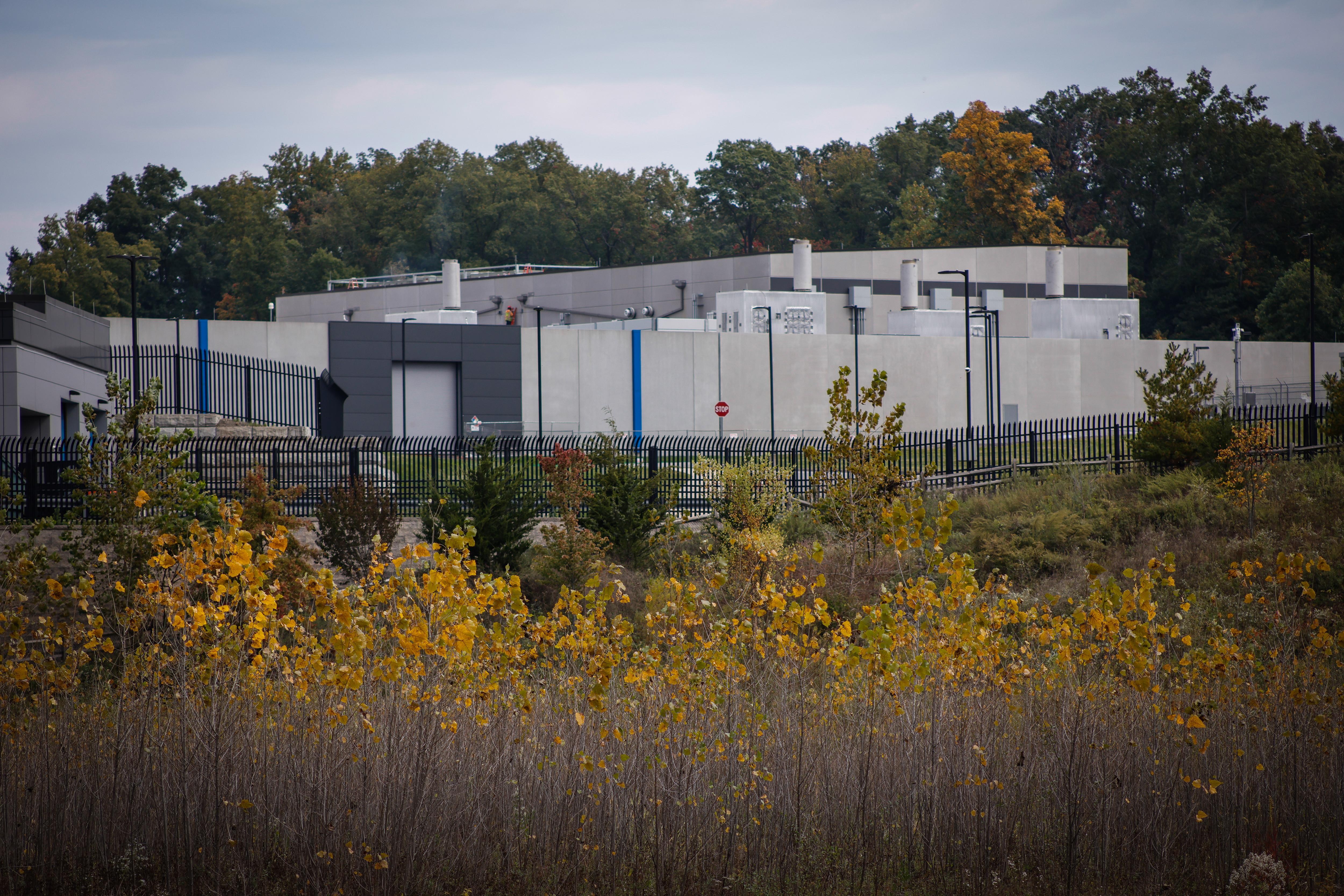
In the past two years, Nicole Thomas, the senior vice president of media and community engagement at JSA, an industry marketing and PR firm, has observed a significant shift in the public's perception of data centers. She notes that back in 2004, data centers were simply viewed as warehouses for computers, much like building a Costco. However, the secrecy surrounding these facilities has led to increased public scrutiny and opposition in recent years.
Thomas explains that data centers are crucial for everyday life, as they store and process the information we use on our phones, computers, and apps. For instance, every time you log into an app or input a password, you are interacting with a data center, which verifies your credentials and grants access. Moreover, data centers store personal data, enabling seamless access across various devices and platforms.
Despite the vital role data centers play in modern society, a recent Gallup survey found that 71% of Americans oppose building data centers in their communities. This opposition is bipartisan, with majorities of Democrats, Republicans, and independents expressing concerns. Even in states where data center development has boomed, such as Texas, there have been efforts to halt projects pending audits examining potential impacts on the power grid and water resources.
To address this opposition, Thomas and her team at JSA have focused on education and transparency. They recognize that many people are unaware of the presence of data centers in their neighborhoods, as these facilities are often nondescript and have been operating quietly for decades. By increasing understanding of data centers and their importance, Thomas believes that communities can better engage with and support the development of these facilities.
The industry's pushback against data centers is also tied to the broader concerns surrounding artificial intelligence (AI). As AI technology continues to evolve, there is growing apprehension about its potential impact on society, with influential figures like Sam Altman warning about the risks involved. Data centers, seen as the physical manifestation of AI infrastructure, have become a target for those seeking to control or limit AI development.
Thomas acknowledges this connection, understanding that people want to know about any changes in their neighborhoods and have questions about them. However, she remains committed to advocating for responsible data center development, recognizing the essential role these facilities play in supporting the digital infrastructure we rely on daily.
Written by urgent.news from Vox's reporting — not their text. Machine-written — may contain errors; check the original before relying on it.