The Blog Post That Set the AI World on Fire
An incendiary post from a prominent researcher suggests that AI is actually more predictable than we thought.
In recent days, the world of artificial intelligence has been captivated by a 26,000-word blog post penned by AI researcher Nick Cammarata. Dubbed the "most important essay," "the most important result," and "the single best piece of news," the document has even earned praise from OpenAI CEO Sam Altman. The post challenges long-held assumptions about AI, suggesting that generative AI models are more comprehensible than previously thought.
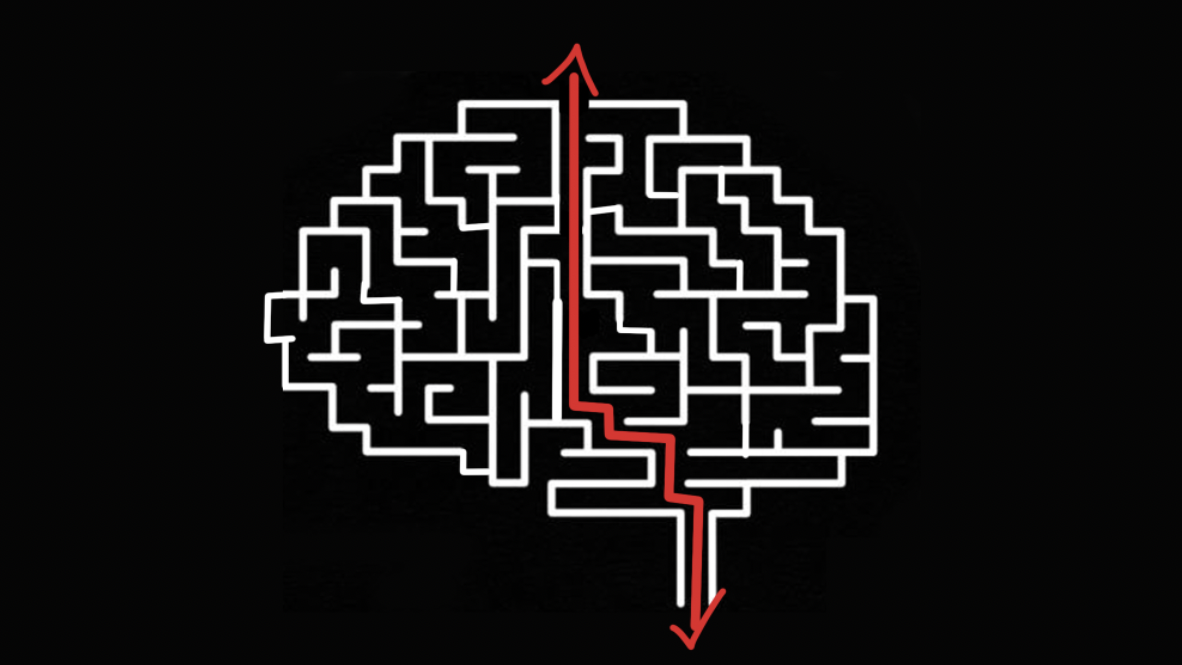
Cammarata argues that these complex models are not inscrutable "black boxes" as commonly believed. Instead, he claims that there is a clear path to understanding their inner workings. If this assertion proves accurate, it could have significant implications for the AI industry. By mapping the inner workings of AI models, researchers may be able to prevent potential dangers—such as autonomous hacking, the spread of misinformation, and deceptive behavior from AI systems.
Cammarata, a former OpenAI employee who now works at the AI-research company Goodfire, previously advocated for the notion that neural networks—core to generative AI—are fundamentally difficult to understand. His new essay, however, contends that he and his peers have been wrong all along. Speaking about his findings, Cammarata states that individual neurons in AI models can be understood and exhibit consistent functions.
Neural networks, inspired by the human brain, comprise layered connections among individual nodes or "neurons" that activate and transmit information when responding to queries. Research, including Cammarata's, previously hinted that these individual neurons could activate in response to multiple, unrelated topics. Cammarata now believes that these neurons can be understood and that each individual neuron has a self-consistent function.
While some, like OpenAI researcher Adam Majmudar, find the post genuinely optimistic, others remain skeptical. Critics argue that Cammarata's claims are merely a "working hypothesis" for an upcoming technical paper and, therefore, are difficult to evaluate. Moreover, Cammarata's research focused primarily on vision models, which are generally simpler than the language models that power AI giants like ChatGPT and Claude.
Written by urgent.news from The Atlantic's reporting — not their text. Machine-written — may contain errors; check the original before relying on it.