Tesla’s Flying Car: Price, Release Date, and What It Can Really Do
Tesla has brought the idea of a flying car closer to reality with a redesigned version of its long-awaited Roadster, featuring rocket-inspired technology developed in collaboration with SpaceX. But despite a spectacular demonstration, the vehicle is not an aircraft capable of conventional, sustained flight. Unveiled at an event in Texas on Oct. 15, the next-generation […]
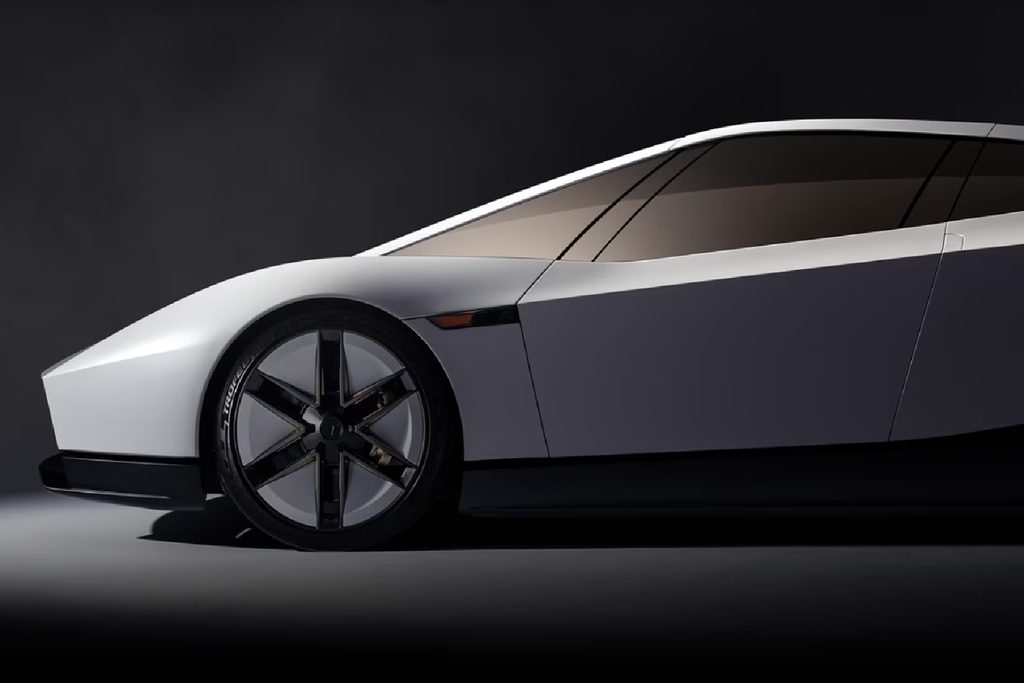
Tesla's new version of the Roadster has brought the concept of a flying car closer to reality, thanks to technology developed in collaboration with SpaceX. The demonstration, held in Texas on October 15th, showcased the vehicle's aerial capabilities, including mid-air flips and jumps over other cars. However, despite these spectacular feats, the Roadster is not a conventional aircraft capable of sustained flight.
The demonstration revealed the car's ability to use high-pressure air thrusters and suction systems to execute aerial maneuvers. These thrusters, connected to compressed-air tanks, enable rapid acceleration and brief aerial movements. However, the vehicle has not shown the ability to maintain flight over long distances or travel independently in ordinary conditions.
Tesla plans to begin production of the redesigned Roadster in 2028, though this timeline has been subject to repeated postponements. The car is available in three versions - Performance, Thrust, and Rocket - each with different price points and capabilities. While the company has not announced the final price, reservation payments range from US$50,000 to US$250,000.
The Roadster can accelerate from zero to 60 mph in less than one second and has a claimed range exceeding 300 miles and a top speed above 230 mph. However, these figures are manufacturer claims, not independently verified results. The vehicle's development combines Tesla's electric-vehicle engineering with SpaceX-inspired propulsion technology.
Despite its impressive capabilities, significant questions remain about the safety, energy requirements, durability, certification, and practicality of using thrusters in a real-world setting.
In conclusion, Tesla's flying Roadster is an impressive technological demonstration, but it is not yet a viable alternative to conventional cars or aircraft. Its eventual success will depend on whether Tesla can overcome the challenges of safety, affordability, and regulatory approval.
Written by urgent.news from Colombia One's reporting — not their text. Machine-written — may contain errors; check the original before relying on it.