Supreme Court to examine plea that systemic blind spots in aviation boom left disabled travellers stranded
The plea highlights a systemic and nationwide failure of non-implementation of accessibility across all stages of air travel, including booking, web-check-in, airport entry and navigation, counter check-in, security screening, Digi Yatra processing, immigration, boarding, in-flight services, and arrival assistance
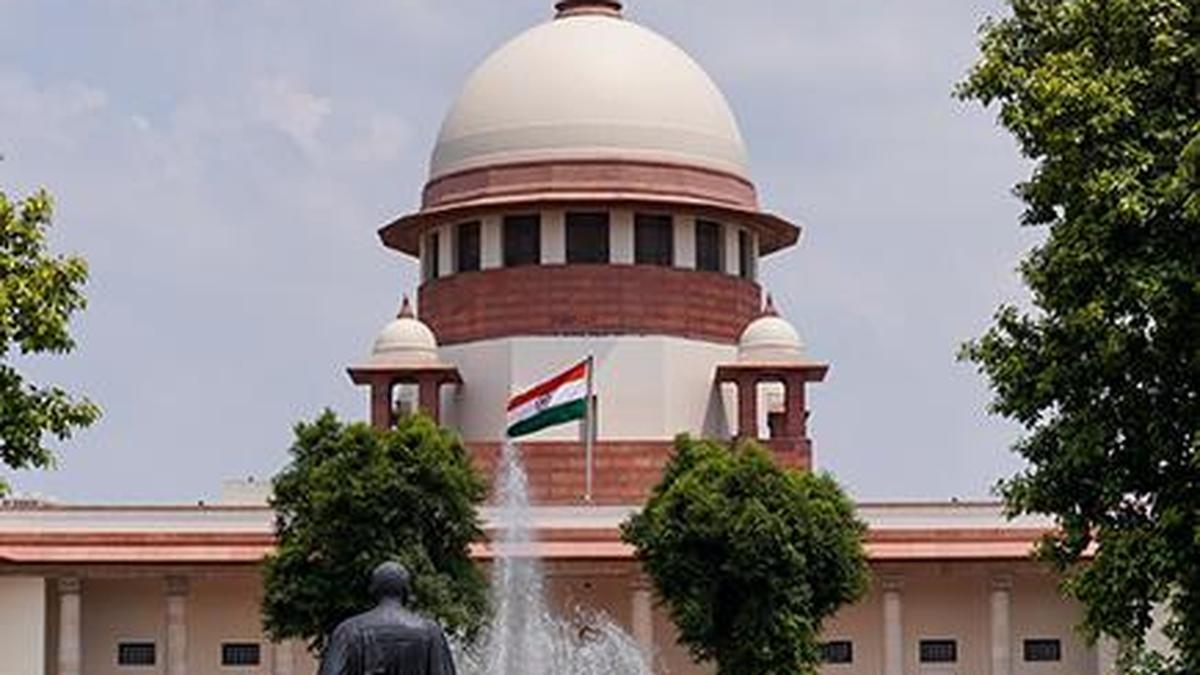
The Indian Supreme Court has agreed to review a plea alleging systemic shortcomings in aviation infrastructure and services that leave disabled travelers stranded and mistreated. The petition, filed by Turab Chimthanawala, a Mumbai-based advocate with Leber’s Congenital Amaurosis, highlights ongoing barriers from booking through to arrival assistance across India's rapidly expanding air travel market.
The three-judge bench, led by Chief Justice Surya Kant, queried the Ministry of Civil Aviation, Directorate General of Civil Aviation, Airports Authority of India, Central Industrial Security Force and Digi Yatra foundation on why millions of disabled passengers continue to encounter humiliation, broken equipment, digital exclusion, and a lack of fundamental rights to travel independently.
Chimthanawala's law firm argued India is now the world's third-largest aviation market with over 350 million annual passengers. However, even using conservative estimates of disability prevalence, this represents over seven million PwDs flying each year. The petition detailed numerous examples of systemic failures, from visually impaired passengers being forceably consigned to wheelchairs to assistive equipment being damaged or denied boarding, to in-flight systems failing to incorporate accessibility settings for blind travelers.
Crucially, the filing noted the complete absence of accessible communication methods at airports, airline mobile apps lacking screen reader compatibility, and airlines providing no dedicated feedback mechanisms for accessibility issues. The petition argued that accessibility is a basic human right, not just a legal entitlement, and that the state has a non-derogable obligation to ensure public infrastructure and services are usable by disabled people on equal terms.
Written by urgent.news from The Hindu's reporting — not their text. Machine-written — may contain errors; check the original before relying on it.
This story
This is one outlet's version. Read the fullest account.