Somalia to hold parliamentary and presidential elections in 2027
By: Nana Karikari, Senior Global Affairs Correspondent Somalia’s electoral commission announced Thursday that the Horn of Africa nation will hold national elections next year. Abdikarim Ahmed Hassan, chairperson of the Independent National Electoral and Boundaries Commission (INEBC), made the announcement on state television. Elections for members of parliament in both the lower and upper…
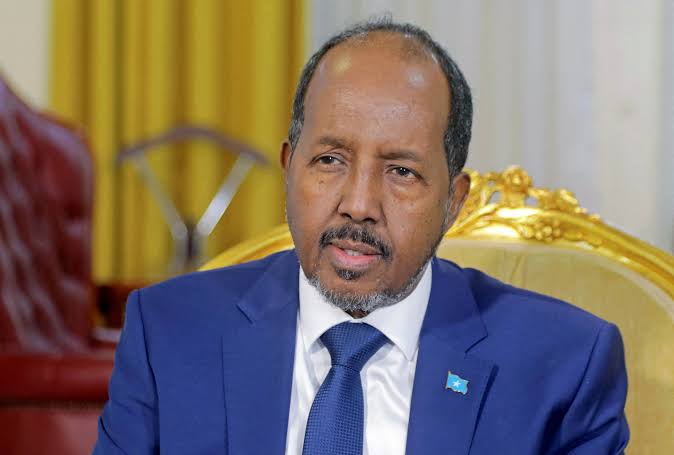
Somalia's electoral commission has announced that the nation will hold parliamentary and presidential elections in 2027. The lower and upper chambers of parliament will be elected on April 15, 2027, while a presidential election will follow on May 15, 2027. These elections adhere to a five-year presidential term rule, commencing from the day the president takes office.
The announcement was made by Abdikarim Ahmed Hassan, the chairperson of the Independent National Electoral and Boundaries Commission (INEBC), on state television. The federal government welcomed the dates as a step toward strengthening the country's democratic system, urging all political entities to participate peacefully and in good faith.
President Hassan Sheikh Mohamud's second term began in 2022 and was set to end earlier this year. However, lawmakers voted in March to enact constitutional changes that potentially extend his term by a year. This move was met with rejection by opposition parties, who called it a power grab. President Mohamud is pushing for party-based elections, replacing the existing system of electing clan elders, while critics argue it constitutes a power consolidation.
His announcement has drawn condemnation from former Presidents Mohamed Abdullahi Farmaajo and Sheikh Sharif Sheikh Ahmed, who warn that a disputed electoral process could lead to civil conflict and further political fragmentation. Former President Sheikh Ahmed warned that the government's initiatives are exacerbating internal divisions, as the government is primarily composed of Mogadishu and two or three allied member states.
Political analyst Samira Gaid concurs, stating that the government's actions are leading to further fragmentation, and that elections under these conditions would result in conflict and confrontation within the remaining federal member states.
The announcement comes amid significant security challenges in Somalia, with al-Shabab, an armed group linked to al-Qaeda, still controlling large areas of the countryside in southern and central Somalia. While the government has made progress in pushing back insurgents from major cities, the group retains the capability to carry out regular, deadly attacks on population centers, including Mogadishu and neighboring Kenya.
President Mohamud acknowledged ongoing security concerns but maintained that al-Shabab has no presence in major cities and dismissed the possibility of the group taking control in Somalia. He also highlighted the United States as Somalia's strongest partner in the fight against terrorism.
Regionally, Somalia's relations with Ethiopia are generally good, and the government has agreed to Addis Ababa's use of Somali ports for economic interests. However, tensions persist due to Somalia's condemnation of a recent memorandum of understanding between Ethiopia and Somaliland, which Somalia perceives as a violation of its sovereignty.
As the 2027 election timeline approaches, Somalia faces the challenge of advancing institutional democracy while navigating a deeply divided domestic landscape, leaving international observers closely monitoring the situation to determine if consensus can be reached before the polls open.
Written by urgent.news from GBC Ghana's reporting — not their text. Machine-written — may contain errors; check the original before relying on it.