‘Smallville’ at 25: How the Superman Prequel Set the Stage for Today’s Comic Book Adaptations
"That's something that we would never, ever be allowed to do today," series co-creators Alfred Gough and Miles Millar tell TheWrap The post ‘Smallville’ at 25: How the Superman Prequel Set the Stage for Today’s Comic Book Adaptations appeared first on TheWrap .
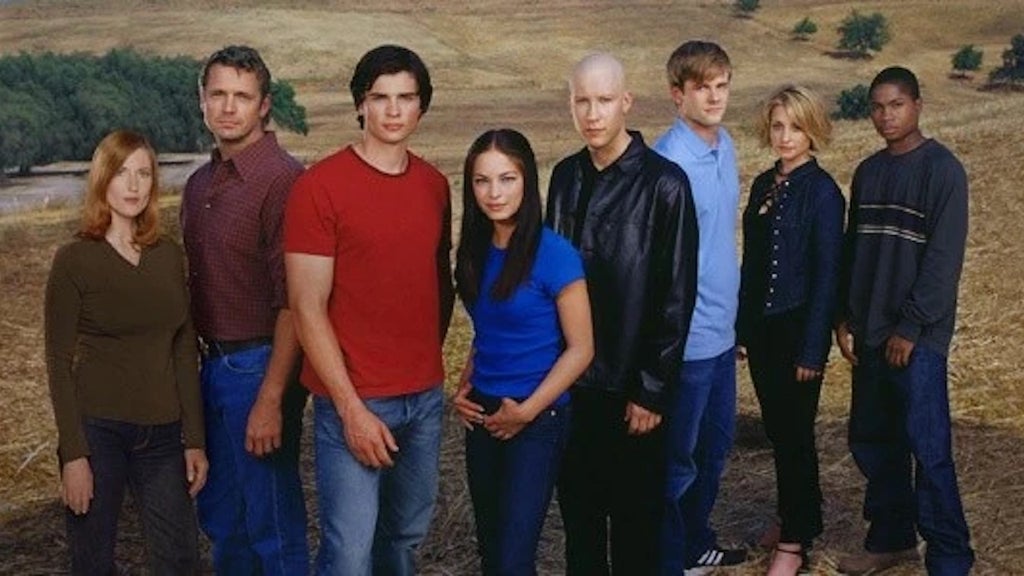
It's been 25 years since "Smallville" premiered on The WB, introducing a more human take on Superman that would likely not fly in today's superhero-dominated climate. Series creators Alfred Gough and Miles Millar celebrated their show's legacy with TheWrap, discussing its impact on the world of comic book adaptations. The creators emphasized their show's legacy as the first superhero television series to explore the character over the costume, a decision made both intentionally and due to the network's concerns about superhero content being "cartoony" or "comic-booky."
"Smallville" introduced moral complexity to Superman's character, an aspect not commonly seen before. The creators' lack of deep comic book knowledge allowed them to create a unique version of the character, one that was not slavish to the source material. Their creative freedom led to significant changes within the Superman mythology, many of which would not be permitted today.
"Smallville" premiered on October 16, 2001, with Tom Welling as Clark Kent. The creators' decision to honor the spirit of Superman without adhering strictly to the stories made the show stand out. The CW network, which succeeded The WB, eventually became known for its superhero lineup, including "Arrow," "The Flash," "Supergirl," and others.
"Smallville" played a pivotal role in shaping the Arrowverse, despite facing challenges during its production as the network's focus shifted. Many of the show's cast members, who started as young actors, remain in the industry and have found success post-show. The show's timeless quality and the cast's continued relevance make "Smallville" a notable part of television history.
Written by urgent.news from TheWrap's reporting — not their text. Machine-written — may contain errors; check the original before relying on it.