Server Prices Surge Up to Fourfold as AI Demand Squeezes Memory Supply
The price of a single server has surged as much as fourfold in just one year, putting corporate information technology (IT) infrastructure investment under severe pressure. The increase reflects a deepening shortage of general-purpose memory as artificial intelligence (AI) data centers absorb vast q
In just a year, the price of a single server has skyrocketed up to fourfold, creating substantial challenges for corporate IT infrastructure investments. This dramatic price increase is fueled by a severe shortage of general-purpose memory, as artificial intelligence (AI) data centers consume large amounts of high-bandwidth memory (HBM) and high-capacity DRAM, according to Gartner's report titled "Server and Storage Cost Outlook Through 2027 Amid the AI Boom."
The surge in server prices and delivery delays due to shortages of DRAM and NAND flash are projected to continue until at least 2028. The cost of servers, once driven by processors, is now shifting dramatically towards memory, with memory costs rising from 39% in 2015 to 59% in 2023. If this trend persists, memory could make up two-thirds of total manufacturing costs even for non-AI servers by 2030, Gartner projects.
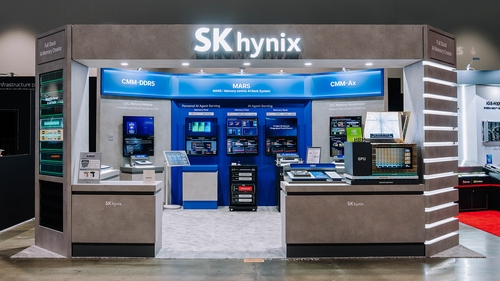
The main reason behind this price surge is the explosive growth in memory demand for AI accelerators. Major tech companies are expanding their AI infrastructure, and semiconductor manufacturers like Samsung Electronics and SK Hynix are focusing production on higher-margin HBM and enterprise products. This shift has led to a reduced supply of general-purpose memory used in conventional PCs, smartphones, and servers.
DRAM prices are expected to rise by 237% this year, while NAND flash prices are projected to increase by 293%. This shortage is expected to persist for a considerable time, with new production facilities being built but installation and yield stabilization taking two to three years. Gartner expects real supply increases to occur only from the latter part of 2027.
Even if supply increases, server prices may not drop immediately. Server and storage manufacturers might maintain high selling prices to preserve profitability. Gartner expects DRAM prices to stabilize in the first half of 2028 but does not anticipate server prices returning to 2025 levels quickly.
The price shock from the server market is also spreading to consumer electronics, including laptops, smartphones, and gaming consoles, which all rely on DRAM and NAND flash. Manufacturers may have to pass higher component costs on to consumers. Gartner has coined this phenomenon as "memoryflation," warning that it could delay device replacements by consumers and weaken demand through 2028.
Companies need longer-term strategies to manage rising costs. Gartner suggests adjusting equipment replacement cycles and prolonging the service life of existing servers instead of rushing into long-term supply contracts. SK Group Chairman Chey Tae-won has warned that semiconductor wafer shortages could persist until 2030, indicating that supply chain instability may continue for years.
Written by urgent.news from BusinessKorea's reporting — not their text. Machine-written — may contain errors; check the original before relying on it.