Scientists have just voted to abolish leap seconds
Since 1972, officials have added 27 leap seconds to the universal clock, but in a meeting this week in France they have decided to abandon the practice
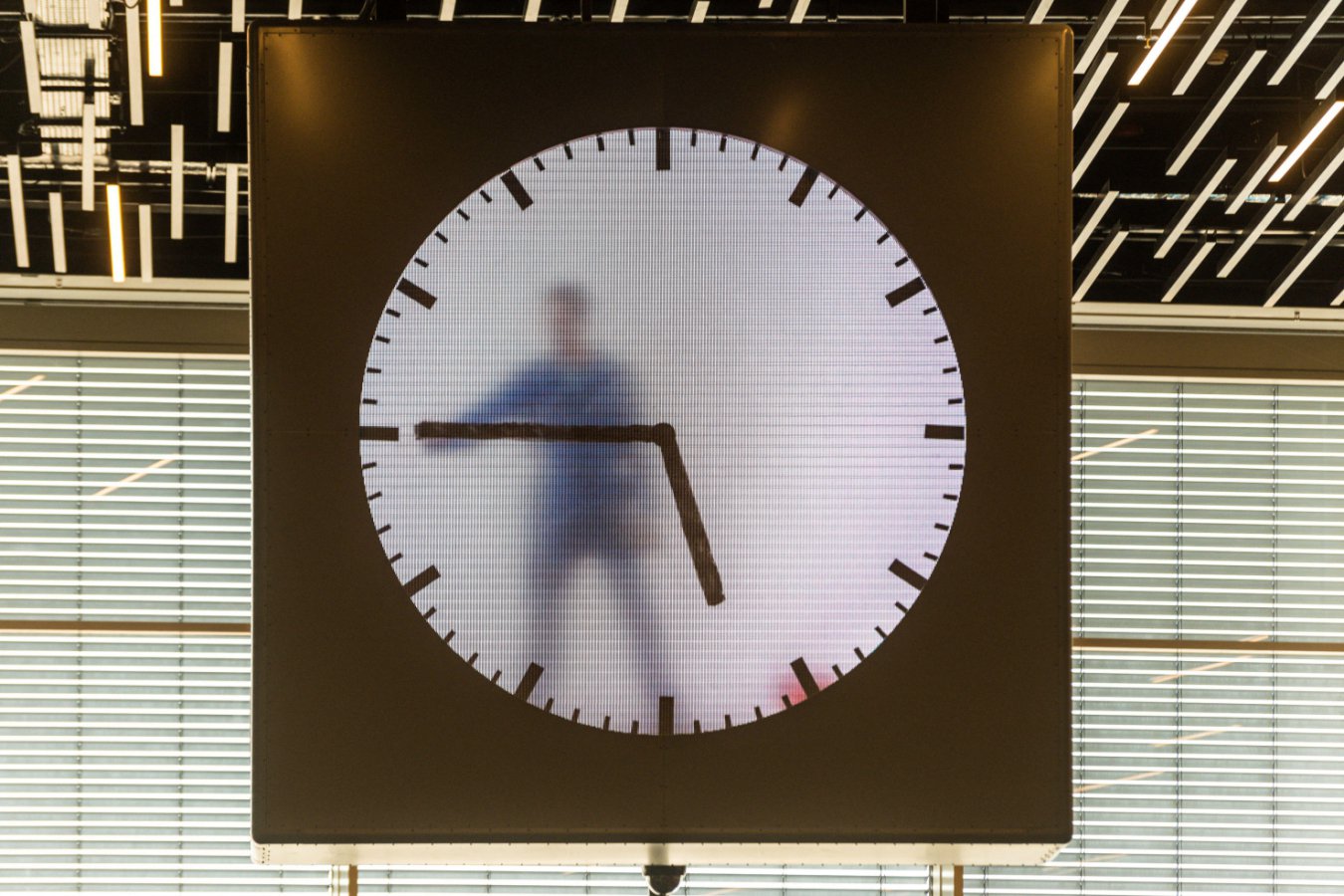
The Schiphol Clock in Amsterdam's airport, reported by Panther Media Global via Alamy, is part of the story of leap seconds being abolished. On October 15th, at the International Bureau of Weights and Measures meeting in Versailles, France, representatives from 69 countries voted on the change. The gap between clock time and astronomical time will gradually widen, leading to a situation similar to living under permanent daylight saving time, according to Emily Akkermans, curator of time at the Royal Observatory in Greenwich.
Historically, clocks were set by the sun's position, but since 1967, physicists have defined an international time standard called coordinated universal time (UTC) using the vibration of caesium-133 atom. This standard has required periodic corrections, known as leap seconds, due to Earth's rotation slowing down. Twenty-seven leap seconds have been added since their introduction in 1972.
The decision to abolish leap seconds is partly driven by the increased reliance on precise timekeeping in various technological systems, such as stock markets, telecommunications, and GPS. These systems can become vulnerable to disruptions caused by leap seconds, potentially leading to website crashes and issues with airline booking systems.
Furthermore, Earth's rotation has recently started to speed up slightly, potentially requiring a negative leap second for the first time in history. Noël Dimarcq, who heads the BIPM's committee on time and frequency, expressed concerns about the potential consequences of such a time jump.
Instead of leap seconds, the group now plans to implement a "leap hour," allowing UTC to diverge from astronomical time for up to an hour before correction. This change is set to take effect on May 20, 2027. Dimarcq believes that this solution will ensure an uninterrupted flow of time for centuries to come. Although small, the effects of such a change are significant, potentially lasting for several centuries.
The group also discussed plans for a new definition of the second, considering the increasing accuracy of optical clocks, and proposed the development of a universal time standard for the moon.
Written by urgent.news from New Scientist's reporting — not their text. Machine-written — may contain errors; check the original before relying on it.