Samsung Electronics exec: The investments that last build more than factories
A factory is only the beginning. Lasting investment builds the workforce, suppliers and institutions that help a community thrive.
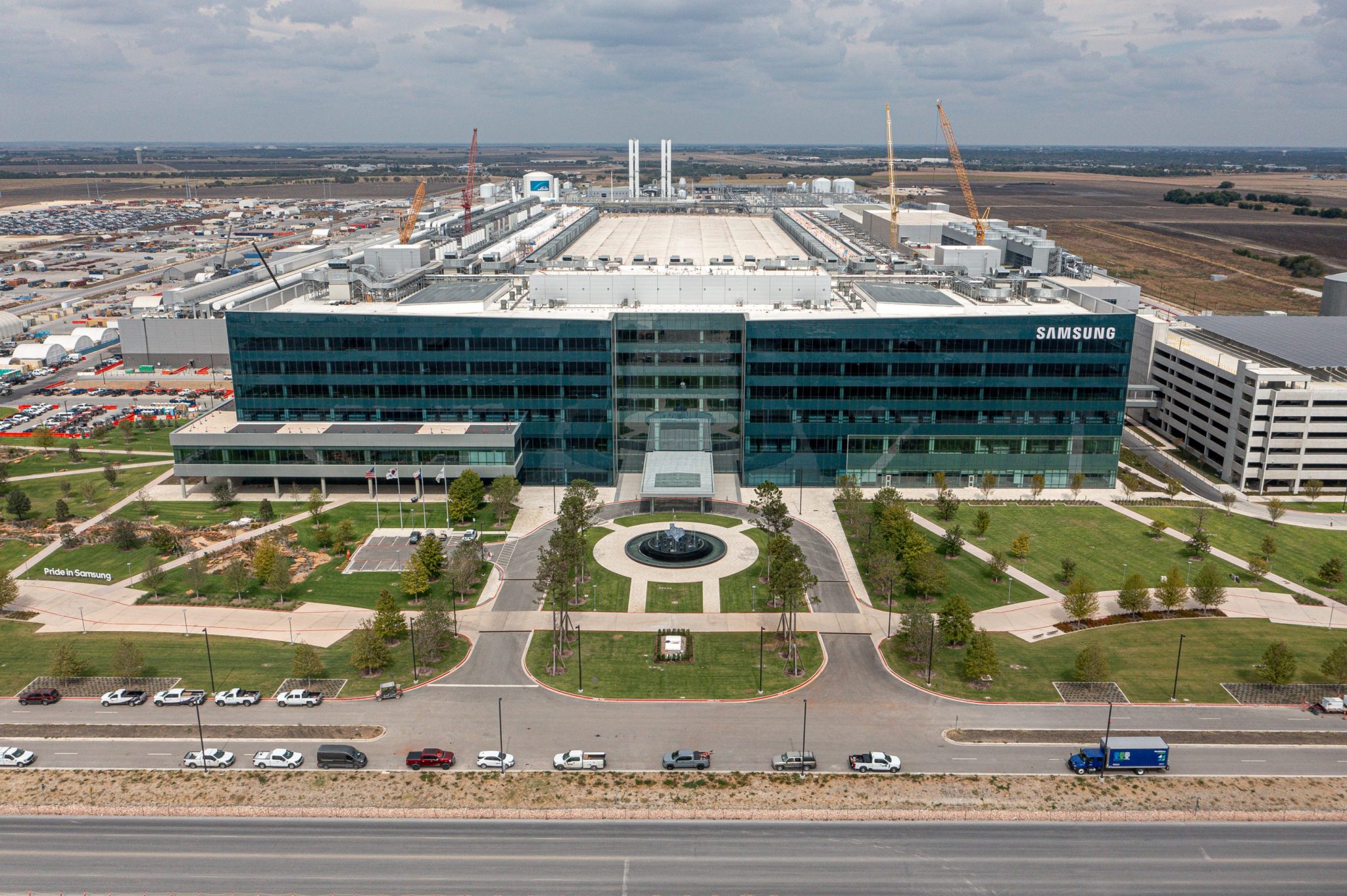
In Taylor, Texas, Samsung is set to launch a new advanced semiconductor manufacturing facility, marking its largest investment in the United States. However, the significance lies not in the sheer size of the project or the financial outlay. Instead, it's about the infrastructure being constructed around it. Samsung's presence in Central Texas spans nearly three decades, with the Taylor campus now employing hundreds of workers, many of whom have transferred their expertise from Austin.
Simultaneously, Samsung is building relationships with local schools and colleges to bolster the workforce.
This strategy underscores a crucial principle: long-term investments are not a series of isolated announcements but a continuous commitment. Each phase of investment strengthens the foundation for future growth. Samsung, originally founded in South Korea, has been investing in the U.S. for nearly five decades, pouring over $100 billion into the country. The facilities in the U.S. generate over $40 billion in economic impact and support more than 175,000 jobs.
While constructing a facility may take a few years, integrating into a local economy is a more extended process. It necessitates a skilled workforce, suppliers who can grow with the investment, and institutions that prepare individuals for new opportunities. The nature of this investment varies from one community to another. In Newberry, South Carolina, Samsung's first U.S. home appliance manufacturing facility established in 2017 has contributed over $900 million to the region's economy.
However, its long-term value hinges on the community's ability to participate and sustain the opportunities it generates. Companies must invest in community capacity before job vacancies arise. As the skills needed in manufacturing and technology evolve, workers require more accessible pathways into new careers, and young people must have earlier opportunities to view themselves as innovators and problem-solvers.
This is manifested in Samsung's Solve for Tomorrow program, inviting middle and high school students to apply STEM solutions to local challenges, such as a pollinator garden and composting system in Newberry, which connects classroom learning with community problem-solving and career exploration.
Since 2010, over 620,000 students have participated in Solve for Tomorrow, with Samsung supplying technology and classroom resources to more than 4,300 schools across the nation. These projects differ in scope but share a common starting point: asking students "What is a problem in my community, and how can I help solve it?" This approach differs from building a manufacturing plant but, like it, can leave communities better prepared for future advancements.
Thus, global scale and deep local roots are not mutually exclusive concepts. The most successful global companies evaluate success based not only on the immediate outcomes of an investment but also on the community's ability to thrive in the years to come. As the U.S. celebrates its 250th anniversary, the economic discourse often revolves around what the country must construct next.
Communities benefiting from new investments rightfully question what will remain after the announcement and the ribbon-cutting ceremony. The response should transcend a facility or a monetary figure; it should encompass individuals with new skills, enhanced pathways into emerging industries, suppliers ready for expansion, and institutions equipped to foster future opportunities.
Capital can indeed erect a factory, but resilient investment cultivates the capabilities that allow both companies and communities to progress hand in hand.
Written by urgent.news from Fortune's reporting — not their text. Machine-written — may contain errors; check the original before relying on it.