SAHRC turns spotlight on supermarkets over food prices and hunger
The commission said South Africa continued to face hunger despite its capacity to produce sufficient food
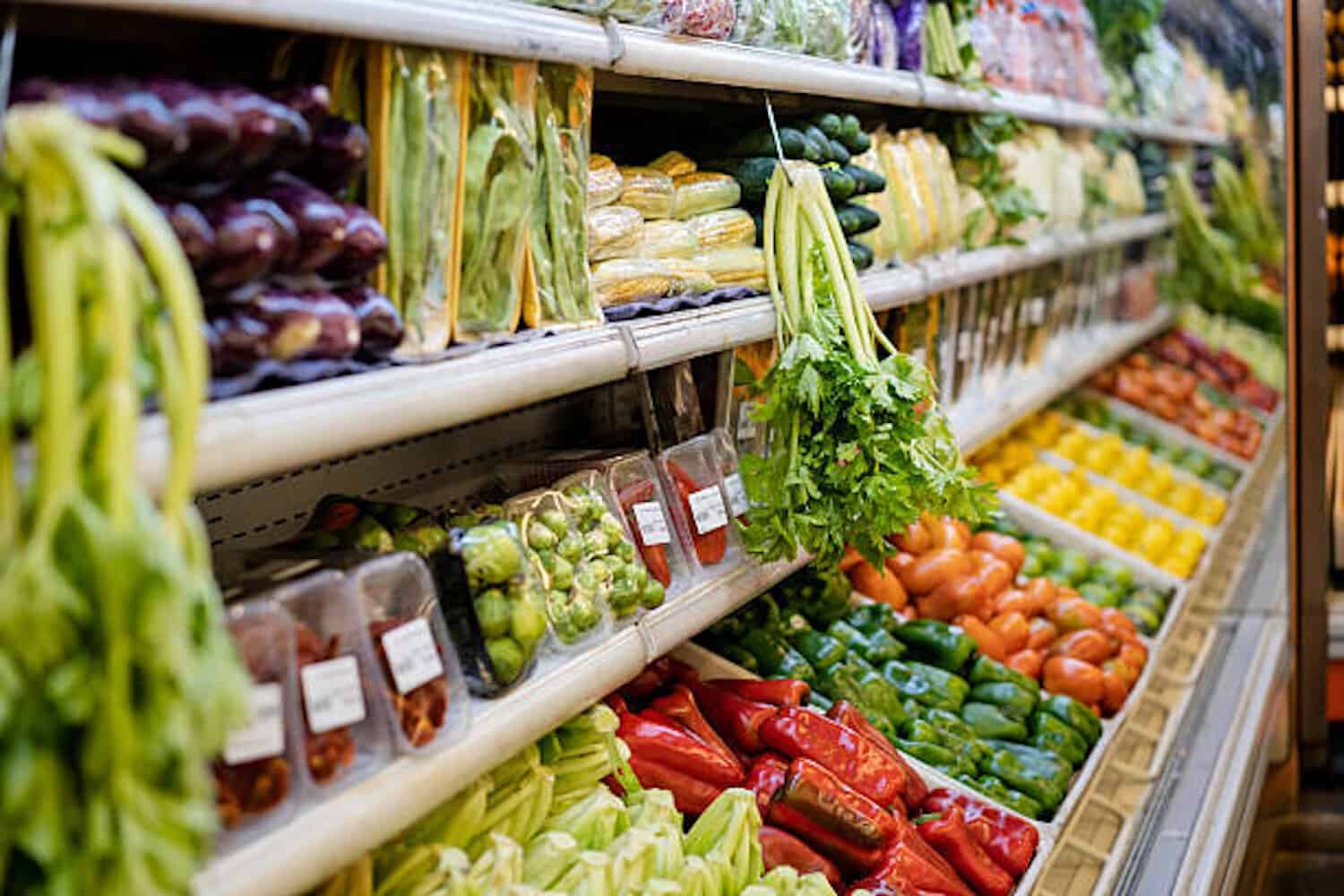
The South African Human Rights Commission (SAHRC) will examine the impact of large retailers, particularly supermarkets, on food prices and affordability as part of its national inquiry into the country's food systems. The commission announced this third leg of its inquiry on Friday, coinciding with World Food Day, and called on supermarket groups and other retail stakeholders to participate.
The investigation will focus on market concentration, pricing dynamics, and the influence of major retailers on food distribution and accessibility. SAHRC representatives stated that meaningful engagement with the retail sector would help them grasp the operational, commercial, and structural aspects that influence food pricing, supplier relationships, and consumer access.
Despite South Africa's ability to produce sufficient food, hunger persists, raising questions about economic, structural, and institutional barriers that hinder people's access to adequate food. The inquiry aims to explore the structural, economic, and institutional factors that determine access to food, its cost, and the conditions surrounding it.
The commission initiated this investigation following complaints about ongoing barriers to accessing sufficient food. The third phase will build upon the previous two legs, which examined structural and economic factors contributing to hunger and exclusion, as well as the retail sector's role in the food value chain. Previous inquiries also considered the impact of indigenous knowledge systems, traditional seed practices, and agroecology on food security and resilience.
The second leg of the inquiry, held from July 6-10, focused on private-sector stakeholders, including agricultural input distributors, farmers, agricultural lobby groups, food processors, and supermarkets. SAHRC officials emphasized the importance of engaging supermarkets and other relevant retail stakeholders who did not participate in the second phase to ensure a comprehensive evidentiary record.
While the exact date, venue, and final program for the third leg of the inquiry have not been announced, the SAHRC stated that they would provide these details soon. The commission aims to use the findings and evidence gathered through the inquiry to contribute to its examination of the country's food system and the barriers affecting the realization of the right to food.
Written by urgent.news from The Citizen's reporting — not their text. Machine-written — may contain errors; check the original before relying on it.