Restore nature to build climate resilience
CLIMATE change is no longer a distant threat to Africa. Its effects are increasingly felt in the livelihoods of farmers, fishers and other communities that depend on natural resources. As African countries seek ways to strengthen their economies and improve living conditions, protecting the environment must become an essential part of their development plans. The … The post Restore nature to…

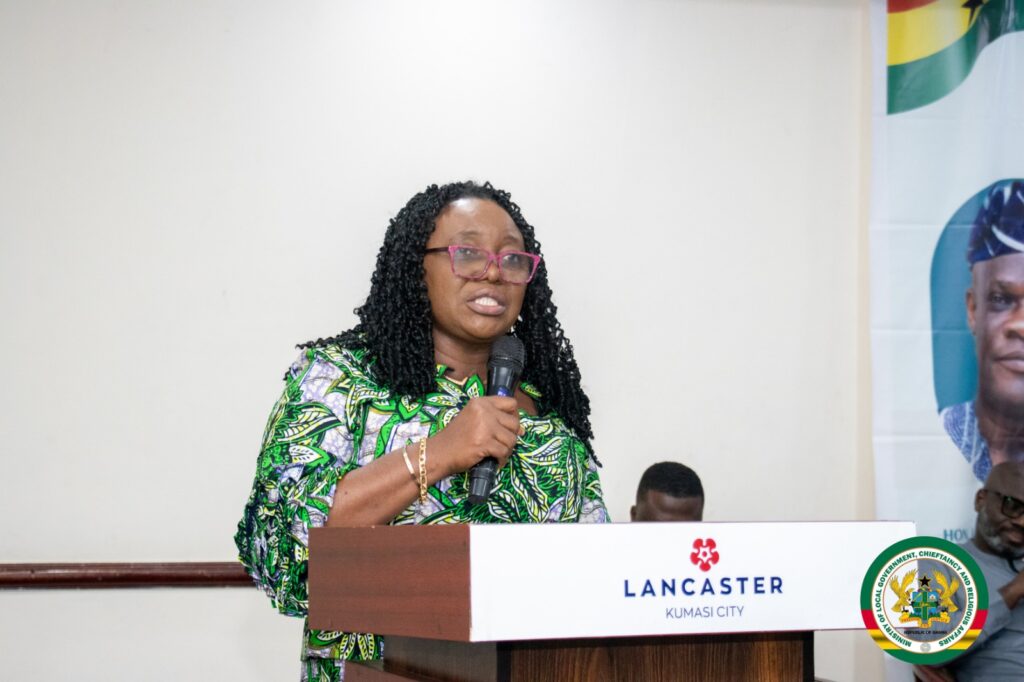
Climate change no longer remains a distant concern for Africa. Its impact is increasingly evident in the lives of farmers, fishers, and other communities reliant on natural resources. The Africa Climate Dialogue has brought together stakeholders who urge African nations to safeguard and restore nature as an integral part of their development strategies.
The dialogue emphasized addressing illegal mining, deforestation, and pollution, which degrade the environment and diminish communities' resilience against climate-related challenges.
Nature-based solutions, such as forests, wetlands, and mangroves, play a crucial role in preserving biodiversity, supporting livelihoods, and mitigating environmental risks. Mr. Richard Gyan-Mensah, Deputy Minister of Energy and Green Transition, explained how forests absorb carbon dioxide, wetlands reduce flooding, and mangroves protect coastlines from erosion and serve as fish breeding grounds. These benefits highlight the importance of environmental protection and not treating it as a secondary concern.
Protecting the environment requires urgent action against illegal mining and deforestation. Efforts should also include strict law enforcement and practical measures to restore damaged ecosystems. Mr. Gyan-Mensah called for investments in forest restoration, wetland protection, mangrove rehabilitation, and sustainable agricultural practices. However, the success of these initiatives depends on their practical implementation rather than mere policy announcements.
The involvement of local communities in decisions regarding the management and conservation of natural resources is critical. Those who depend on farming, fishing, and other environment-linked activities must have a say in decisions affecting their livelihoods. Providing sustainable alternative livelihoods is also vital to ensure communities have economic opportunities while protecting natural resources.
Transitioning to a green economy should create jobs and promote economic growth while ensuring that vulnerable groups are not left behind. This approach must recognize the needs of those whose livelihoods depend directly on natural resources. The Africa Centre for Nature-Based Climate Action organized this dialogue to explore practical ways of integrating nature-based solutions into Ghana's sustainable development agenda.
Participating stakeholders from various sectors emphasize the need for concrete commitments, sustained investment, and measurable progress in protecting the environment. All individuals, businesses, public institutions, and communities share the responsibility of preventing environmental degradation and promoting sustainable practices.
Written by urgent.news from Ghanaian Times's reporting — not their text. Machine-written — may contain errors; check the original before relying on it.