Recovery, poverty permitting
EDITORIAL: The government’s repeated assurances that Pakistan’s economy is improving sound increasingly hollow when measured against the living conditions of its people. The latest United Nations Development Programme figures show that 38.3 percent of Pakistan’s population suffers from multidimensional poverty, facing overlapping deprivations in health, education and basic living standards.…
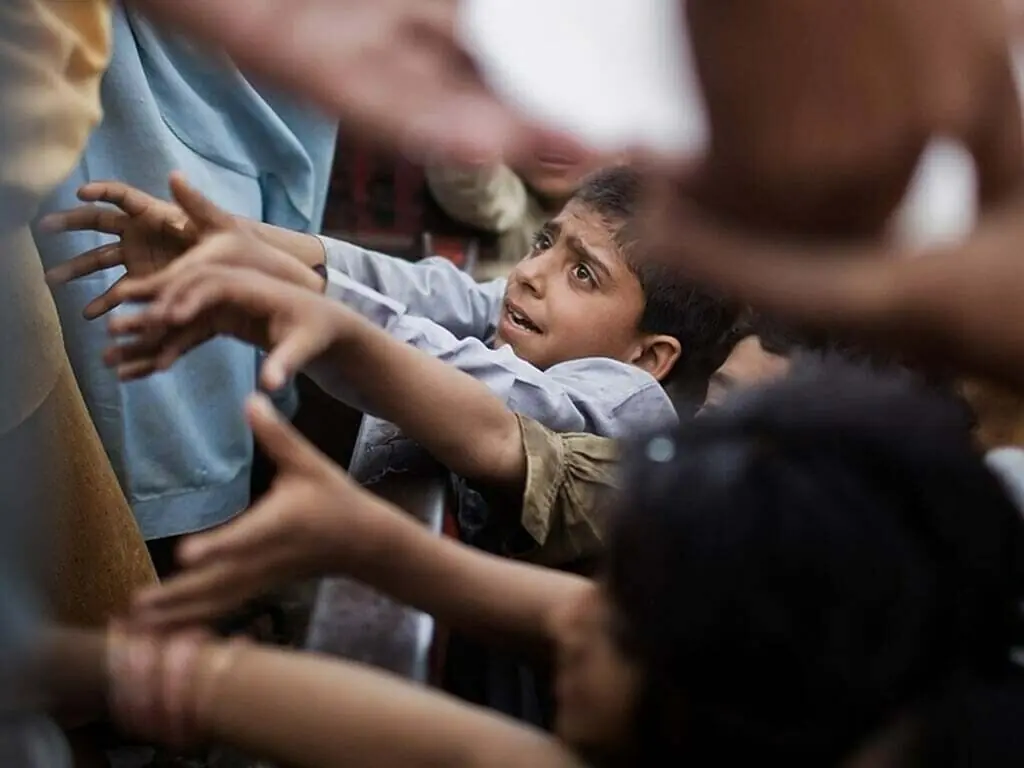
Pakistan's economy appears to be advancing, yet the nation's populace grapples with persistent poverty, as highlighted by the United Nations Development Programme. Thirty-eight percent of Pakistan's population confronts multidimensional poverty, enduring simultaneous hardships in health, education, and overall living standards, while an additional 12.9 percent remains at risk.
Such insights should provoke significant concern among officials, especially those who excel at portraying macroeconomic enhancements as proof of widespread revival. When juxtaposed with neighboring nations like India and Bangladesh, Pakistan's situation appears even more dire, with poverty rates of 16.4 percent and 14.9 percent respectively.
However, these statistics are based on surveys conducted in different years, limiting direct comparability. Despite adjusting for this discrepancy, Pakistan's predicament remains alarming, with 51.7 percent of its multi-dimensionally poor population enduring over half of the weighted disadvantages quantified by the index. This stark evidence underscores significant shortcomings in delivering basic necessities, a matter that should have been addressed long ago.
Moreover, the discourse surrounding Pakistan's economic performance is flawed, with macroeconomic stabilisation, improved reserves, lower inflation, or fiscal progress being lauded without adequate consideration of improvements in employment, income levels, education, and healthcare. An economy might appear robust in official reports while millions of households continue to suffer from malnutrition, disrupted schooling, unsafe water, and inadequate sanitation.
This discrepancy between the official narrative and the lived experiences of the populace is precisely where economic policy has faltered. The long-term ramifications of this state of affairs are profound, affecting labour productivity, economic competitiveness, and the country's growth potential. By allowing a significant portion of its human capital to deteriorate, Pakistan risks undermining its future.
Therefore, the government must articulate how its policy priorities will lead to tangible improvements in these critical areas. While fiscal responsibility is essential, the allocation and efficiency of public expenditure are equally crucial. Investments in education, primary healthcare, nutrition, clean water, and sanitation must be safeguarded and utilized effectively.
Both federal and provincial governments must address the persistent shortcomings in service delivery, including inadequate oversight, poor coordination, and the misallocation of resources towards projects with limited developmental value. Additionally, poverty reduction should serve as a measurable benchmark for economic policy.
Governments should set clear targets, regularly evaluate progress, and identify regions and communities with the highest levels of overlapping deprivations. Social protection should be integrated with improved access to essential services and opportunities for gainful employment. Provincial administrations, responsible for health, education, and local services, must be held accountable for outcomes rather than mere expenditure announcements.
The UNDP's findings reflect a universal issue, with 1.2 billion people experiencing multidimensional poverty worldwide. However, Pakistan's performance warrants a distinctly national response. The country cannot afford to view poverty reduction as a secondary benefit that will eventually emerge from macroeconomic stabilization. The government's economic managers have spent considerable time explaining why the statistics suggest recovery.
Now, they must provide a clear explanation as to why millions of Pakistanis are still unable to reap the benefits of this so-called recovery.
Written by urgent.news from Business Recorder's reporting — not their text. Machine-written — may contain errors; check the original before relying on it.