Qatar targets 30% rise in agricultural productivity
<p>DOHA: Qatar is targeting a 30% increase in agricultural productivity through the development of 96 hectares of more sustainable, climate-controlled greenhouses, as the country steps up efforts to strengthen food security and expand local food production.</p> <p>The initiative forms part of Qatar’s ongoing efforts to achieve the objectives of the National Food Security Strategy 2030 by…
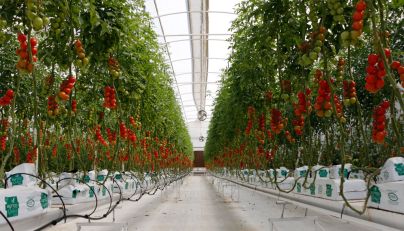
Doha: Qatar aims to boost agricultural productivity by 30% through the construction of 96 hectares of eco-friendly, climate-controlled greenhouses. This effort is part of the country's strategy to fortify food security and boost domestic food production. The National Food Security Strategy 2030 emphasizes the creation of a secure, sustainable, and resilient food system that guarantees high-quality food availability.
The Ministry of Municipality highlighted sustainable agricultural practices, bio-agriculture, and modern farming technologies as vital for enhancing local production, preserving natural resources, and lowering the environmental footprint of food production.
The development of climate-controlled greenhouses is among the measures to enhance agricultural efficiency and raise domestic output. Qatar faces challenges such as high temperatures, an arid climate, and limited water resources, which complicate farming. Besides, the ministry emphasized the advancement of smart irrigation systems, aquaculture technologies, and the increased use of alternative energy. These measures aim to improve productivity, safeguard agricultural resources, and enhance local food production.
For 2025, Qatar achieved 99% self-sufficiency in fresh poultry, 67% in fresh milk and dairy products, 47% in fresh fish, and 100% for essential vegetables. These statistics underscore the role of local farms and food producers in national food security efforts. The ministry also highlighted the importance of enhancing the overall food system in alignment with the National Food Security Strategy 2030.
This includes digital management of food reserves, early warning systems for supply chain disruptions, and investments in green food production and cold-chain infrastructure. Digital platforms for project licensing and monitoring are being developed to manage resources more efficiently and support the effective execution of food security initiatives.
In addition to greenhouse infrastructure, the ministry promotes bio-agriculture as a method to boost crop productivity while minimizing reliance on chemical inputs and protecting the environment. Bio-agriculture employs natural processes like organic fertilizers, beneficial microorganisms, and biological pest control to enhance soil fertility, preserve biodiversity, and optimize water and other agricultural resources' efficient use.
Integrating bio-agriculture principles with modern farming techniques such as protected agriculture, hydroponics, and vertical farming can reduce waste, improve productivity, and strengthen local farms' resilience to Qatar's climate.
Research and field trials conducted by the Ministry of Municipality's Agricultural Research Department, particularly the Plant Research Section, have shown that bio-agriculture techniques, including the use of mycorrhizal fungi, can improve plant growth and crop productivity by up to 10% compared to conventional farming methods.
These trials also revealed enhancements in soil properties and reduced reliance on chemical inputs. Such findings underscore the significance of scientific research and collaboration among relevant entities in creating practical solutions applicable to local farms. By enhancing crop performance and soil conditions, these techniques contribute to more efficient agricultural production while supporting sustainability goals and minimizing environmental impacts.
Written by urgent.news from The Peninsula Qatar's reporting — not their text. Machine-written — may contain errors; check the original before relying on it.