Psilocybin therapy has mostly reached the well-off. A small Oregon study tested a cheaper group model for low-income patients
Most psychedelic research has drawn well-off participants. In a first-of-its-kind Oregon study, 19 low-income adults with depression completed group psilocybin therapy, and their average depression scores fell by more than half.
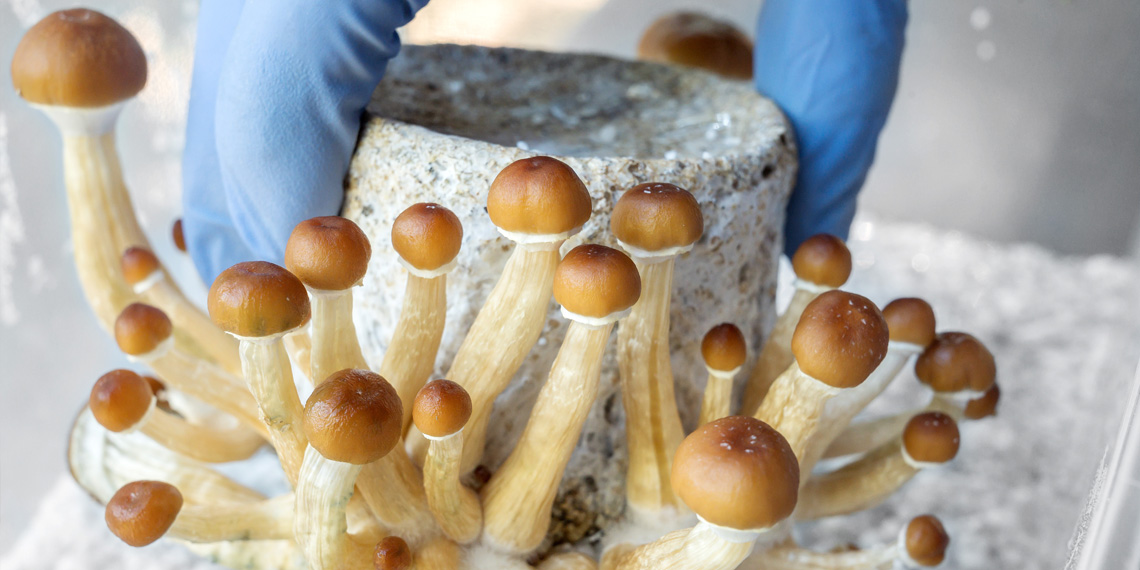
A recent study conducted in Oregon has demonstrated that group psilocybin therapy can be a feasible and well-tolerated option for low-income adults suffering from depression. The research, published in the Journal of Psychedelic Studies, involved 20 participants who had a diagnosis of major depressive disorder and met various eligibility criteria.
Participants were divided into small groups of up to six people and underwent two 90-minute preparation sessions, followed by two in-person psilocybin administration sessions, one week apart. The study had no control group, and neither participants nor researchers were blinded, making it a feasibility study focused on recruitment, retention, safety, and acceptability.
Depression scores showed a substantial decrease, as measured by the Hamilton Depression Rating Scale. The high level of participant satisfaction and low incidence of severe adverse events suggest that group psilocybin therapy could be a cost-effective treatment option for low-income individuals.
Written by urgent.news from PsyPost's reporting — not their text. Machine-written — may contain errors; check the original before relying on it.