Prof. John Amuasi calls for a shift towards preventing health crises at World Health Summit
Professor John H. Amuasi of the Kwame Nkrumah University of Science and Technology, Kumasi (KNUST), has called for a shift in how countries approach public health, urging governments to address the conditions that make people sick rather than focusing largely on treating diseases after they occur. Speaking at the World Health Summit 2026 in Berlin, Germany, Prof. Amuasi said building stronger…
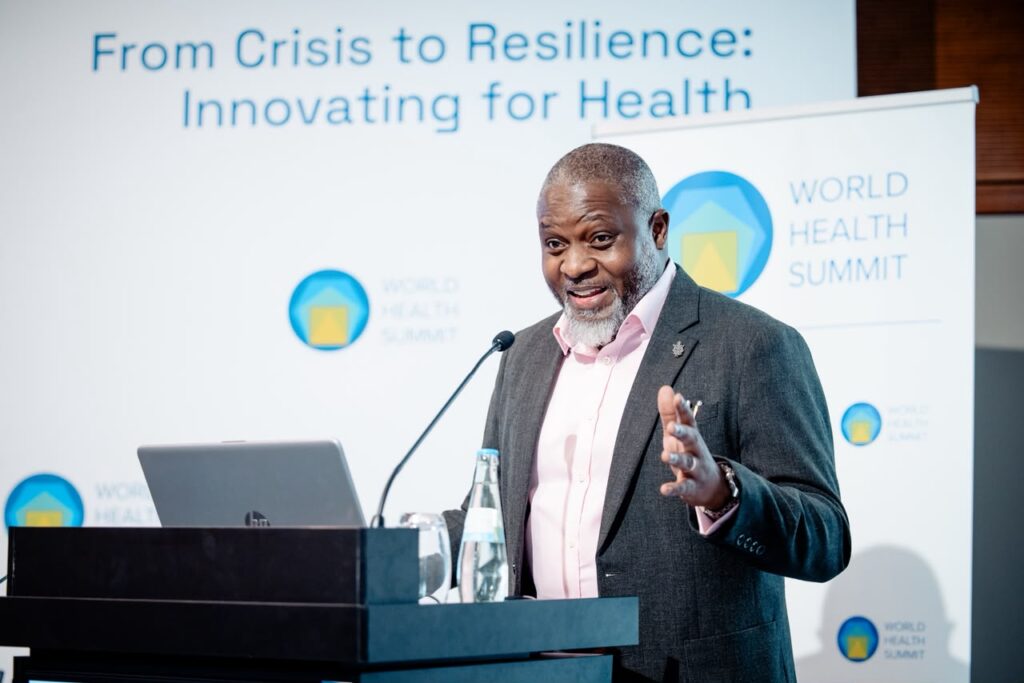
Professor John H. Amuasi, a professor at Kwame Nkrumah University of Science and Technology, has advocated for a change in how nations approach public health at the World Health Summit 2026 in Berlin. Instead of solely concentrating on treating diseases, Amuasi emphasized the need to address the factors that make people sick. At the session titled "Ecological Determinants of Resilient Health Systems: Scaling Upstream Prevention to Anticipate, Prevent, and Adapt to Emerging Health Risks," Amuasi proposed the concept of "upstream prevention," which involves identifying and tackling the root causes of poor health before they develop into diseases or health emergencies.
He used an analogy of people falling into a river to explain that while rescuing those already submerged is crucial, preventing such incidents from occurring is equally vital. Amuasi argued that understanding the links between human health, animal health, and the environment is essential for implementing effective prevention strategies.
He highlighted issues such as illegal mining, food safety, and environmental pollution in Ghana as examples where prevention must begin outside of hospitals and health facilities. These problems, he noted, cannot be resolved by the healthcare sector alone but require collaboration from various sectors, including environmental authorities, agriculture, education, and policymakers.
Amuasi stressed the importance of educating people about the interconnectedness of humans, animals, and the environment from an early age. He believed that integrating One Health concepts into the educational system could gradually change people's perceptions of health and their responsibilities towards each other and the environment.
He also called for better communication between scientists, educators, and media professionals to ensure that information about health and the environment reaches people effectively. While recognizing the ongoing need for investments in healthcare infrastructure, Amuasi urged greater focus on preventing the conditions that lead to illness.
Written by urgent.news from MyJoyOnline Ghana's reporting — not their text. Machine-written — may contain errors; check the original before relying on it.