NST Leader: Scrap metal theft: Go after the buyers, too
THERE seems to be an almost insatiable demand for scrap metal. And not just locally. It started many years ago.
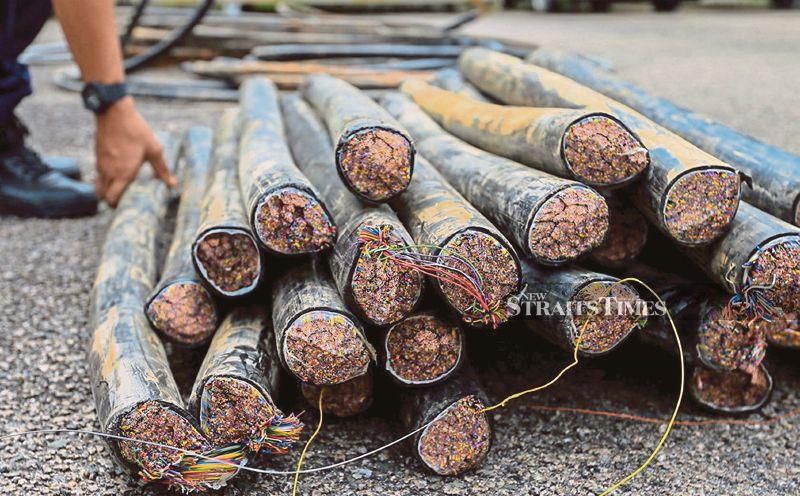
The demand for scrap metal appears almost insatiable, stretching far beyond local boundaries. This insatiable appetite has origins that trace back years, with a notable international dimension even reaching China. Consequently, local councils have struggled to maintain security measures such as metal covers for manholes and drains, among other facilities.
The recent fire in Pasir Gudang, Johor, is believed to have been deliberately ignited by cable thieves who sought to extract scrap metal from piles of wood. The blaze has engulfed an area spanning 1.4 hectares, and despite the efforts of firefighters who have been battling it for 19 hours, the fire continues to spread. This incident serves as a grim reminder that theft is not merely a property crime when criminals are willing to endanger lives, the environment, and public safety in their pursuit of ill-gotten goods.
These isolated incidents must be viewed for what they truly are: networks of organized syndicates and lax enforcement that have enabled such activities to persist. There is a troubling pattern of recklessness at play. In recent days, cable thefts have disrupted critical infrastructure, including the KLIA Ekspres and KLIA Transit services.
The common denominator among these criminals is their blatant disregard for the consequences of their actions, which include disrupted services, costly repairs and replacements, environmental damage, and even potential risks to human lives. To effectively combat this issue, solutions must not only target the thieves themselves but also the market that fuels their activities.
Authorities must go beyond merely arresting those caught stealing and instead focus on identifying and shaming the scrap dealers who knowingly purchase stolen materials. By taking firm action against these buyers, the incentive for theft will be significantly diminished. To achieve this, collaboration among the police, local authorities, government agencies, and the scrap metal industry is crucial.
This collaboration should aim to enhance traceability, verify the origins of materials, and flag suspicious transactions. Stringent licensing and inspection regimes must be consistently enforced, with severe penalties imposed on businesses that facilitate the trade in stolen goods. The consequences for those caught must be directly proportional to the harm they have caused.
A thorough investigation into the Johor blaze must ascertain its cause and the extent of responsibility of all involved parties. Where criminal wrongdoing is evident, the prosecution and penalties should reflect the severity of the crime, as well as any additional offenses and damage caused. The punishment must be sufficiently severe to serve as a deterrent, providing a credible and timely warning to those involved in such illicit thefts and trades to cease their nefarious activities.
Written by urgent.news from New Straits Times's reporting — not their text. Machine-written — may contain errors; check the original before relying on it.