New York rep announces game ownership bill that would require consumer ownership rather than sale of licenses
New York joins Pennsylvania in protecting gamers' rights to own games, requiring publishers to provide an offline mode and the right to transfer games.
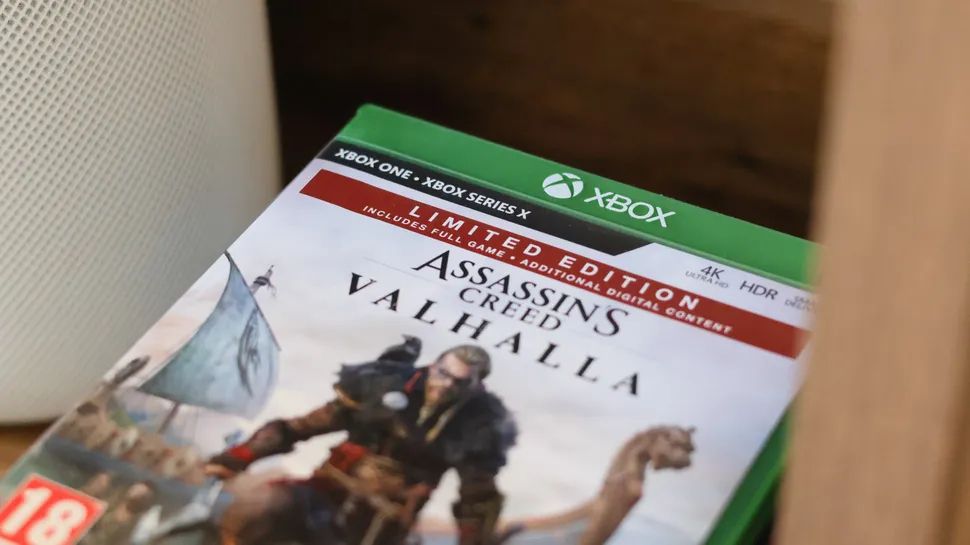
In New York's 15th congressional district, Representative Ritchie Torres has introduced the Power To The Players Act, a bill aimed at safeguarding consumers in the video game industry. The legislation seeks to eliminate anti-consumer practices by requiring the Federal Trade Commission (FTC) to establish regulations governing game ownership.
According to the release, purchasing a video game would grant the consumer ownership of the game, as opposed to merely a license to play it. Furthermore, games offering online functionality would be mandated to provide an offline mode prior to the shutdown of supporting servers. The bill also addresses the issue of games with expiration dates, which have been a source of frustration for players worldwide.
Rep. Torres is not the first to advocate for gamers' rights; Pennsylvania state senator John Kane recently introduced the Protect Our Games Act, which also calls for publishers to provide an offline mode, community servers, or a minimum 25% refund. However, Sony has refused to acknowledge players as the true owners of their games, arguing that clicking the "purchase" button does not imply a durable right to use the game, but rather a revocable license that can be revoked at any time to the company's advantage.
The Crew, an online-only racing game by Ubisoft, serves as one of the most recent examples of this issue, as the game was shut down for server maintenance, rendering it unplayable even for those who had recently bought it. Ubisoft did not offer community servers or an offline mode, as the single-player campaign also relied on a connection to Ubisoft's servers.
Another example is the yearly sports games released by EA, 2K, and Sony, with NBA 2K25 being a prime instance. The online servers for NBA 2K25 were closed only two years after release, leaving both existing and new players unable to use a main feature of the game they had purchased. Overwatch 2's release also resulted in the replacement of the first Overwatch game, rather than allowing it to be purchased and played separately.
These events have fueled the Stop Killing Games movement, which demands that publishers provide offline modes, community servers, and the ability to host community servers after discontinuation. The movement also opposes the industry standard of selling games as revocable licenses, rather than outright ownership. Although the specifics of the Power To The Players Act are yet to be revealed, its goal is to mandate publishers to provide an offline mode before shutting down servers and to grant consumers true ownership of their games, rather than mere licenses.
The bill's success remains to be seen, but it represents a significant step towards addressing the current direction of the gaming industry, which prioritizes revocable licenses over actual ownership.
Written by urgent.news from Tom's Hardware's reporting — not their text. Machine-written — may contain errors; check the original before relying on it.