New online tool will check lawyers' sloppy AI-written briefs since they can't seem to be bothered
Bogus AI-generated citations keep turning up in court documents, but lawyers could at least run those docs through this legal citation checker
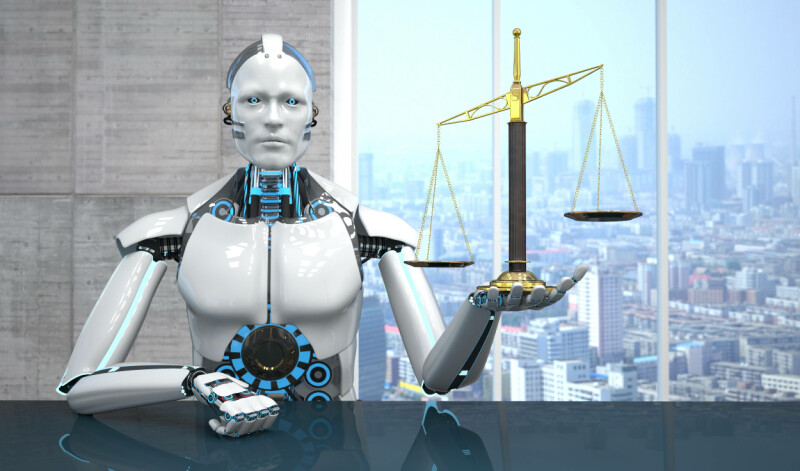
For legal professionals relying on AI to draft briefs, an issue persists: artificial intelligence often produces hallucinations, fabricating case citations and misquoting court opinions. This problem has plagued lawyers who have been using AI for years with increasingly unsatisfactory outcomes. While GPT-4 managed to pass a bar exam in 2023, this does not guarantee it did not hallucinate case law.
OpenAI models have not been the only culprits - Claude, a product of Anthropic, was also held responsible for AI-induced errors after the company's lawyers failed to detect faulty citations during review. Legal firms have paid the price for these mistakes, with Georgia courts even overturning a decision due to the inclusion of fictitious citations.
To address this issue, a new tool called CiteProof has been developed. This platform aims to serve as a fact checker, scanning briefs and filings for fabricated cases and misquoted opinions before they can result in sanctions, fines, or disciplinary actions from judges. CiteProof operates independently of AI, conducting deterministic searches of public court records to ensure accuracy.
As a small-scale operation, the platform does not use AI to check legal briefs for AI-generated content, acknowledging that AI hallucinations cannot be reliably detected through additional AI analysis. CiteProof does not claim to evaluate the quality of arguments, but rather focuses on preserving the time of legal assistants by preventing them from spending excessive time on citation verification.
All data is processed within the United States, with no transmission to AI language models, ensuring user privacy and data security. Despite the tool's premium pricing, it provides an essential objective guardrail for lawyers increasingly relying on AI for research and drafting, ensuring citations are accurate before submitting briefs to courts.
Written by urgent.news from The Register's reporting — not their text. Machine-written — may contain errors; check the original before relying on it.
This story
This is one outlet's version. Read the fullest account.