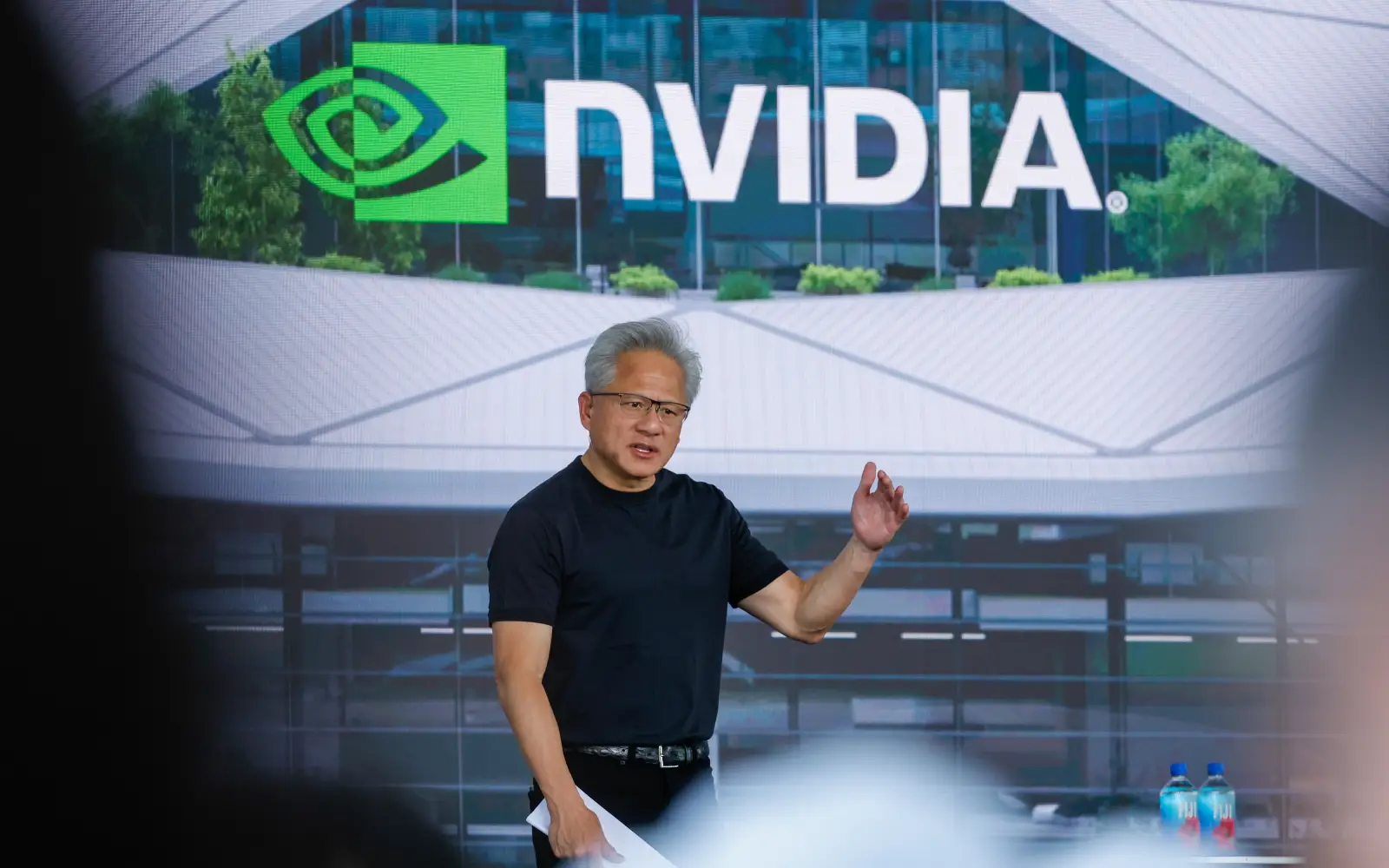
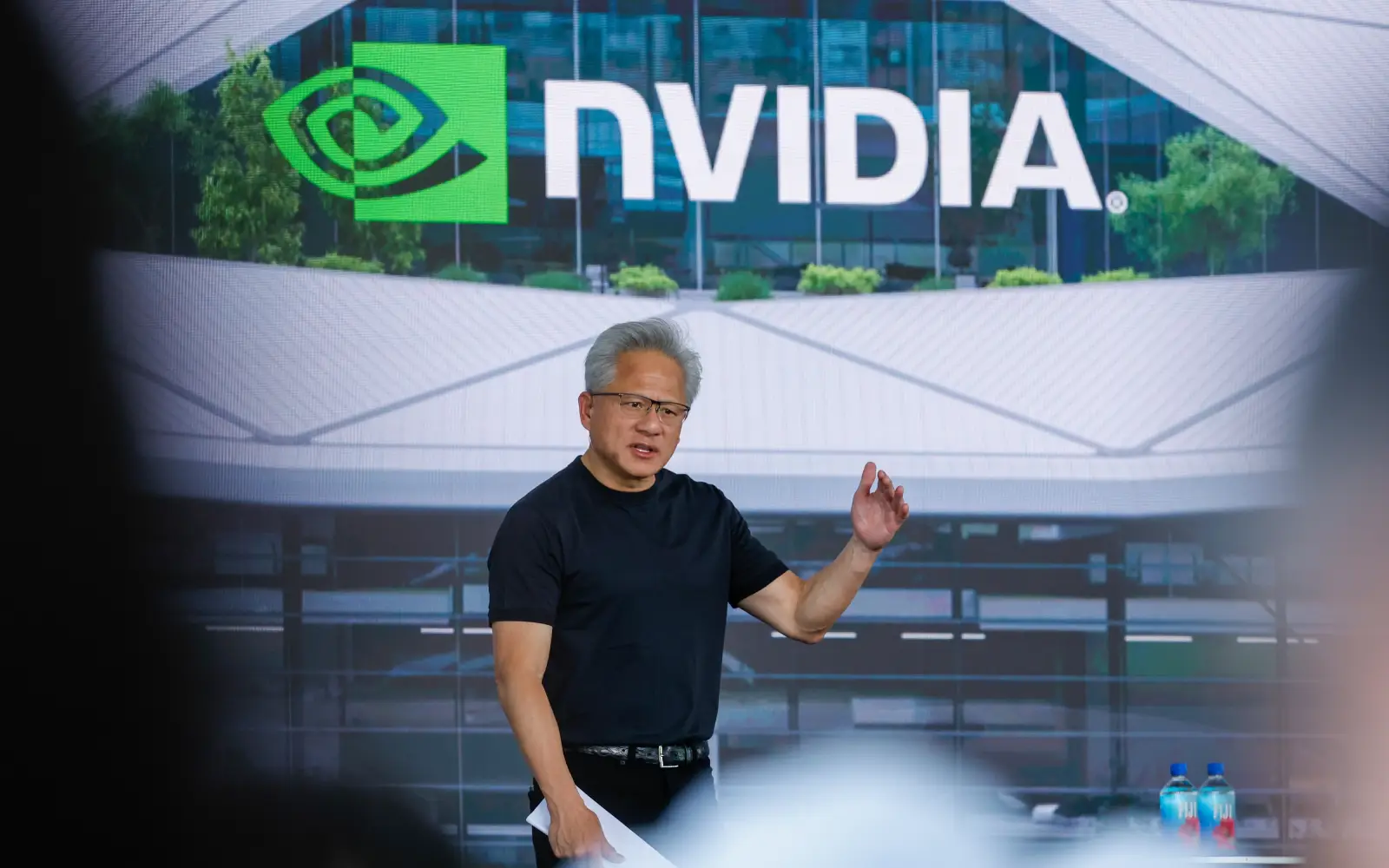
Muse Wonder vs. Claude Fable 5.1: Meta’s new model came closer than I expected
Meta launched Muse Wonder on October 12, about three months after Muse Spark 1.1 opened Meta’s paid Model API. Meta The post Muse Wonder vs. Claude Fable 5.1: Meta’s new model came closer than I expected appeared first on The New Stack .

Meta unveiled Muse Wonder on October 12, three months after Muse Spark 1.1 launched the company's paid Model API. Muse Wonder excels at personal and professional agent tasks, outperforming its internal MemoryBench memory test, and leads coding benchmarks such as DeepSWE and SWE-Marathon. The Full version outperforms in these areas as well.
The model card lists Fable 5.1 as one of the comparison models, and the launch post publishes Fable 5.1 scores alongside Meta's own. These claims are particularly strong, as Fable 5.1 is one of Anthropic's top models.
Muse Wonder is available in two versions: a standard model through the Model API and Muse Code, and a higher-capability version, Muse Wonder Full, only accessible via Muse Code on top subscription plans. Muse Wonder is priced at $4 per million input tokens and $20 per million output tokens. Anthropic's Claude Fable 5.1, released in September, is available through the API and paid plans at $10 and $50 respectively.
This makes Muse Wonder 60% cheaper per token. Cached input reduces the price gap: Meta charges $0.20 per million cached input tokens, while Fable 5.1 costs $0.25. If Muse Wonder truly matches Fable 5.1's performance, it presents a significant cost-saving opportunity for teams running agents continuously.
To validate Meta's claims, I conducted head-to-head tests between the standard Muse Wonder and Fable 5.1 on three challenging agentic and memory tasks. All models ran once per test at their default reasoning setting, with Meta's published comparisons using maximum reasoning effort. A script graded every answer against predefined keys to ensure accuracy. Results varied on subsequent runs due to the limited number of tests conducted.
Written by urgent.news from The New Stack's reporting — not their text. Machine-written — may contain errors; check the original before relying on it.