More than music: Hong Kong Chinese Orchestra strikes a chord across generations
For nearly five decades, the Hong Kong Chinese Orchestra has worked to bring its music to a wider audience, including people who might never have considered entering a concert hall. Executive director Celina Chin Man-wah said the orchestra had long sought to ensure Chinese music was not seen as distant, formal or difficult to understand. That has meant commissioning new works, exploring different…
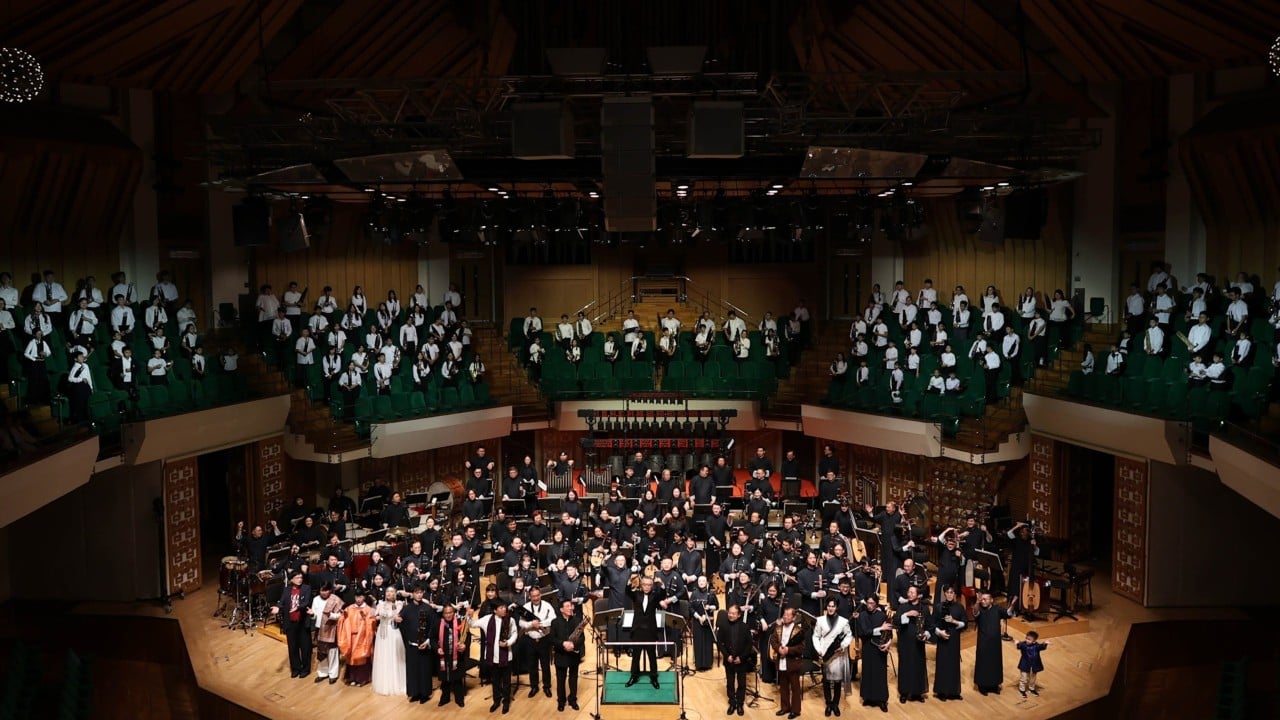
For nearly five decades, the Hong Kong Chinese Orchestra has endeavored to introduce its music to a wider audience, including those who may not have considered attending a concert. Executive director Celina Chin Man-wah highlighted the orchestra's efforts to make Chinese music feel less formal and more relatable. She explained that commissioning new works, experimenting with various musical styles, and creating programs for younger audiences have been key strategies.
Chin emphasized that relying solely on traditional repertoire is insufficient for Chinese music to evolve and connect with future generations. Over the years, the orchestra has commissioned more than 2,400 pieces, collaborating with composers and artists from Hong Kong, mainland China, and beyond. International engagements have also played a vital role in exposing Chinese orchestral music to a broader audience.
Chin remembered being invited to perform at the opening ceremony of Beijing’s National Centre for the Performing Arts, noting that foreign presenters have also sought programs featuring contemporary Chinese music. Chin's appointment to the orchestra in 1996, after previous arts management roles, equipped her with invaluable experience in production, logistics, and programming.
The orchestra is a finalist for the Spirit of Culture Award in the current Spirit of Hong Kong Awards, a recognition of its unsung contributions to culture. Beyond the concert hall, Chin sees Chinese music as a tool to unite diverse communities. The Hong Kong Drum Festival, launched in 2003 amid the Sars outbreak, aimed to boost morale and included participants of all ages, from children to older individuals and rehabilitation program attendees.
The orchestra has also partnered with young people in correctional institutions, teaching them percussion and facilitating performances for their families, culminating in a collaborative piece. This approach goes beyond music, fostering communication and collaboration among participants. Chin advocates for early music exposure, regardless of whether children pursue professional careers.
She also recognizes the expanding array of career opportunities in the arts. Young performers might later transition into teaching, composition, music therapy, or other creative fields, while independent artists can develop their own projects and build careers outside traditional institutions. The orchestra provides young composers with opportunities to have their new works performed by professional musicians, allowing them to witness how their compositions function in practice and exchange ideas with the players.
Chin emphasized that artistic development cannot be solely measured by immediate audience numbers or ticket revenue. "Art cannot always be assessed by whether something is popular straight away," she stated. "Artistic development requires patience, and audiences need time to discover work with greater depth." Launched in 2013, the Spirit of Hong Kong Awards acknowledges society's unsung heroes and organizations whose work might otherwise go unnoticed.
Written by urgent.news from South China Morning Post's reporting — not their text. Machine-written — may contain errors; check the original before relying on it.
This story
This is one outlet's version. Read the fullest account.