Making of a Poem: Geoffrey G. O’Brien on “Ray of Light”
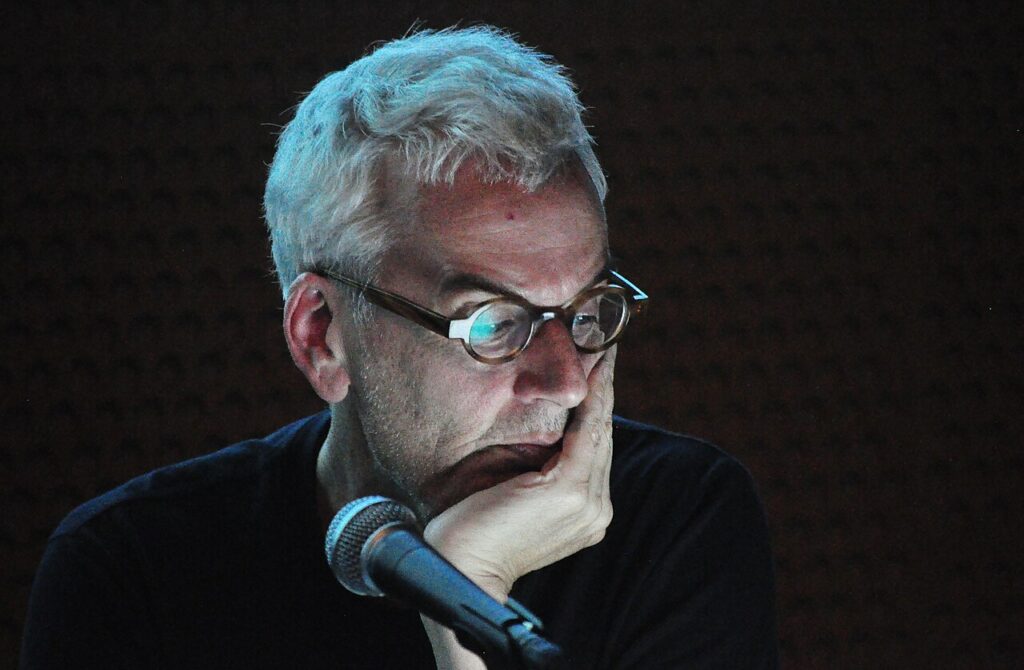
Geoffrey G. O’Brien dedicated his poem "Ray of Light" to Joshua Clover, the poet, scholar, and writer who passed away at the age of sixty-two last year. Clover was known for his Marxist and "physicist of syllables" approach, intertwining political critique, social theory, popular music, and blockbuster films into his poetry and prose.
O'Brien was married to Hannah Zeavin, a writer and founder of Parapraxis, who shared a conversation Clover had mentioned shortly before his death, saying, "We all know that the poems get worse after analysis, Hannah."
O'Brien's relationship with Clover spanned over thirty years, despite a significant rift during that time. Clover's passing on April 27, 2025, was a devastating blow to O'Brien, who found himself inspired to write a poem in his friend's memory. The poem began with the word "Left," which held multiple meanings—indicating Clover's passing and what he left behind, including his dream of a better world.
The polysemy of the word helped capture the essence of Clover's life and work, allowing the reader to engage with the poem on various levels.
While writing the poem, O'Brien did not listen to, read, or watch anything specifically related to Clover. However, he acknowledged Clover's deep knowledge and analysis of music and popular culture, which he often explored in his writing. O'Brien's workspace for writing the poem was his bed, a place he often frequented as his primary workspace.
The challenge of writing the poem lay in its conclusion, as elegies often struggle with the closure of speaking to or about the beloved. In this case, the last line, "Our enemy has no shape," linked the reader with O'Brien in a first-person plural, expressing their shared grief and resistance to the world without Clover.
Written by urgent.news from The Paris Review's reporting — not their text. Machine-written — may contain errors; check the original before relying on it.