Lula está virando? Para a Legacy, não é bem assim
As pesquisas da Quaest e do Datafolha causaram apreensão na Faria Lima. Os dois institutos agora mostram uma disputa mais apertada entre Flávio e Lula, com uma diferença de apenas dois pontos entre os candidatos – um empate técnico considerando a margem de erro.
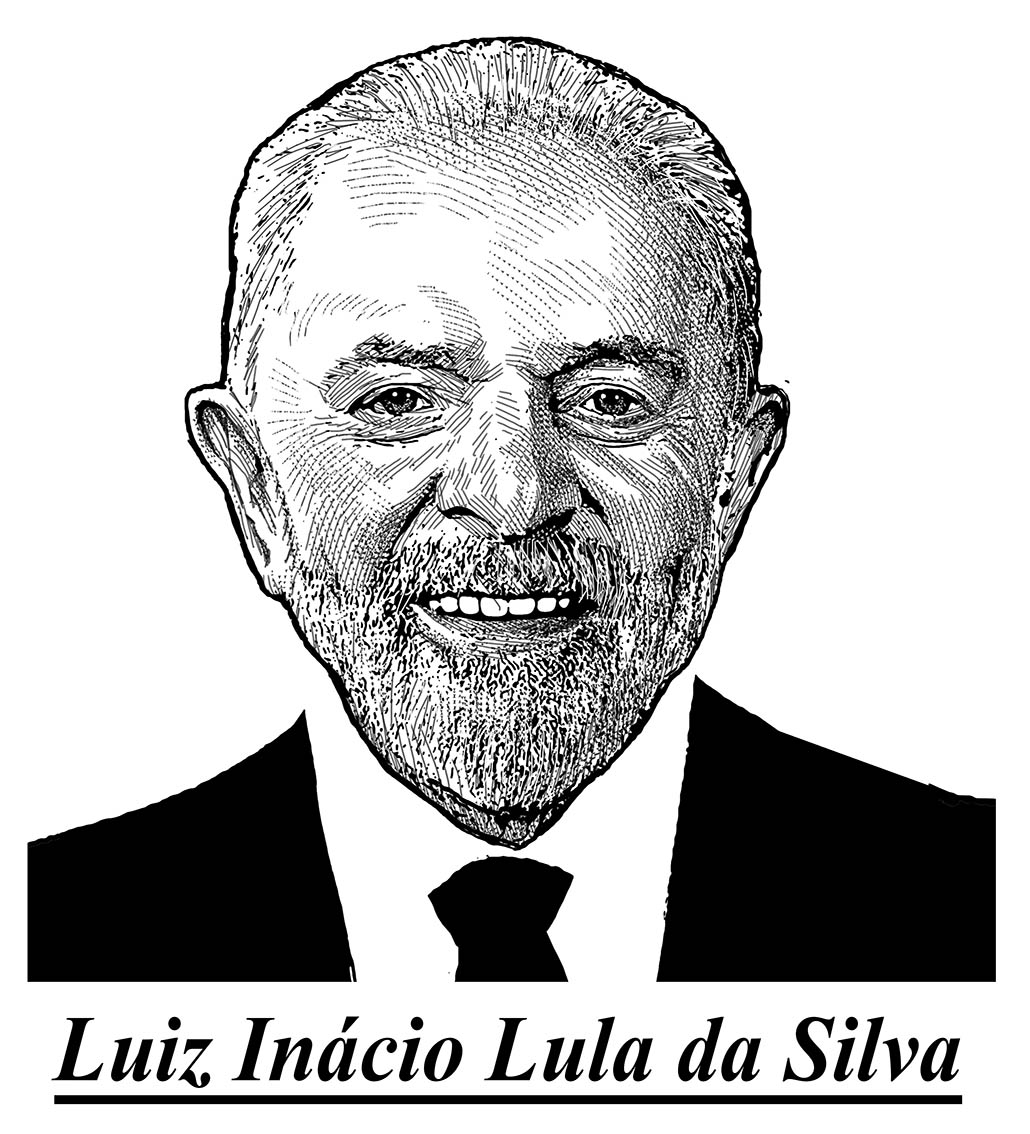
Recent surveys from Quaest and Datafolha have stirred controversy within Faria Lima, showing a closer race between Flávio and Lula with just a two-point difference at most. However, for Legacy Capital, a R$14 billion manager that has conducted several internal studies during presidential elections since 2018, the numbers do not necessarily indicate that Lula is starting a resurgence.
In fact, according to their evaluation combining their own surveys with analyses of microdata from institutes and historical voting patterns, the probability of President reversing the contest remains limited. Leonardo De Paoli, an economist and partner at Legacy, said that their base scenario assumes 52% of valid votes for Flávio and 48% for Lula, and they attribute a probability of over 80% to Lula's victory.
For him, a tight election does not necessarily mean the two candidates have similar chances of winning, especially when the electorate is consolidated and the space for change is small. According to Legacy's data, the contest could end at 53-47 or, in the most narrow scenario, 51-49. For the manager, a significant change in voter behavior would be needed to alter the winner.
This is partly explained by how institutes treat voters who did not come to the polls in the first round. In the Quaest survey released on Wednesday, among those who declared abstaining in the first round – a group representing 22% of total voters – 43% said they would vote for Lula in the second round, 38% for Flávio, 17% for a blank, null or non-appearance, and 2% undecided.
If all these voters were truthful, abstaining would drop from 22% in the first round to just 4% in the second – something unthinkable compared to previous elections. Historical data suggests that most of these people would still not show up to vote, but their voting intentions entered the Quaest calculation, creating a Lula-friendly bias.
The history shows that abstention tends to remain relatively stable across the two rounds. In 2022 (Lula vs Jair), for example, abstention slid from 20.95% in the first round to 20.59% in the second – a drop of only 0.36 points. That's precisely why institutes usually use the methodology known as likely voter, using historical data and demographic characteristics to estimate each respondent's probability of showing up to vote.
Despite using this methodology, Quaest did not adequately adjust for turnout in the October 25th election. By making this adjustment, Legacy reached the result of 52% to 48% for Flávio and Lula respectively. In their projections, the manager combined contracted surveys with the analysis of microdata from different institutes, "reweighting" responses based on demographic characteristics and historical voting patterns.
This work helped Legacy identify, in the last two weeks of the first round, a Flávio advantage over Lula, while most institutes gave Lula the lead. According to the economist, several institutes changed their methodologies after the mistakes observed in 2022, when the "embarrassed vote" in Jair was not captured. Trying to correct, institutes started calibrating samples based on the vote declared by respondents in the election four years ago.
But the attempt to correct previous mistakes may have created a new problem. As many respondents don't remember the vote in previous elections – or report a different preference from their real vote – the adjustment might make it difficult to identify recent changes in the intention to vote. "This methodological change meant that surveys throughout almost the entire first round had no significant movements and they could not effectively capture what happened mainly in the last month of the elections," said Leonardo.
While much of the market worked with a three-point advantage for Lula, Legacy had already identified the possibility of a nearly tied contest, with Flávio possibly finishing numerically ahead. In the end, Flávio received 47.03% of valid votes; Lula, 45.16%. For the second round, Legacy considers two other factors that would make it difficult for the president to recover.
The first is the history of transfer of votes from defeated candidates in the first round. Using data from the TSE of the 2018 and 2022 elections, Legacy estimates that in those elections, Bolsonaro received about 70% of votes given to other candidates in the first round, while Fernando Haddad and Lula received 30%. In the economist's view, this dynamic represents an additional advantage for Flávio, who already finished the first round ahead of Lula.
The second factor is the regional distribution of abstention. In the first round, the Northeast recorded historically low abstention, while the South presented an elevated rate compared to previous elections. For Leonardo, this limits the possibility of a sufficiently large mobilization in the regions where Lula has greater support.
Legacy also considers that the electorate is quite consolidated, with little space for direct migrations between the two candidates. For the economist, the base scenario of 52% to 48% could fluctuate by roughly one percentage point either way. Even with a technical tie pointed by the surveys, Leonardo still attributes a probability of over 80% to Flávio's victory – unless the unthinkable happens. "I would need something very serious from Flávio to actually reverse the game," he said.
Written by urgent.news from Brazil Journal's reporting — not their text. Machine-written — may contain errors; check the original before relying on it.