Iron kadhai vs stainless steel vs non-stick: Benefits and safety of different cooking vessels
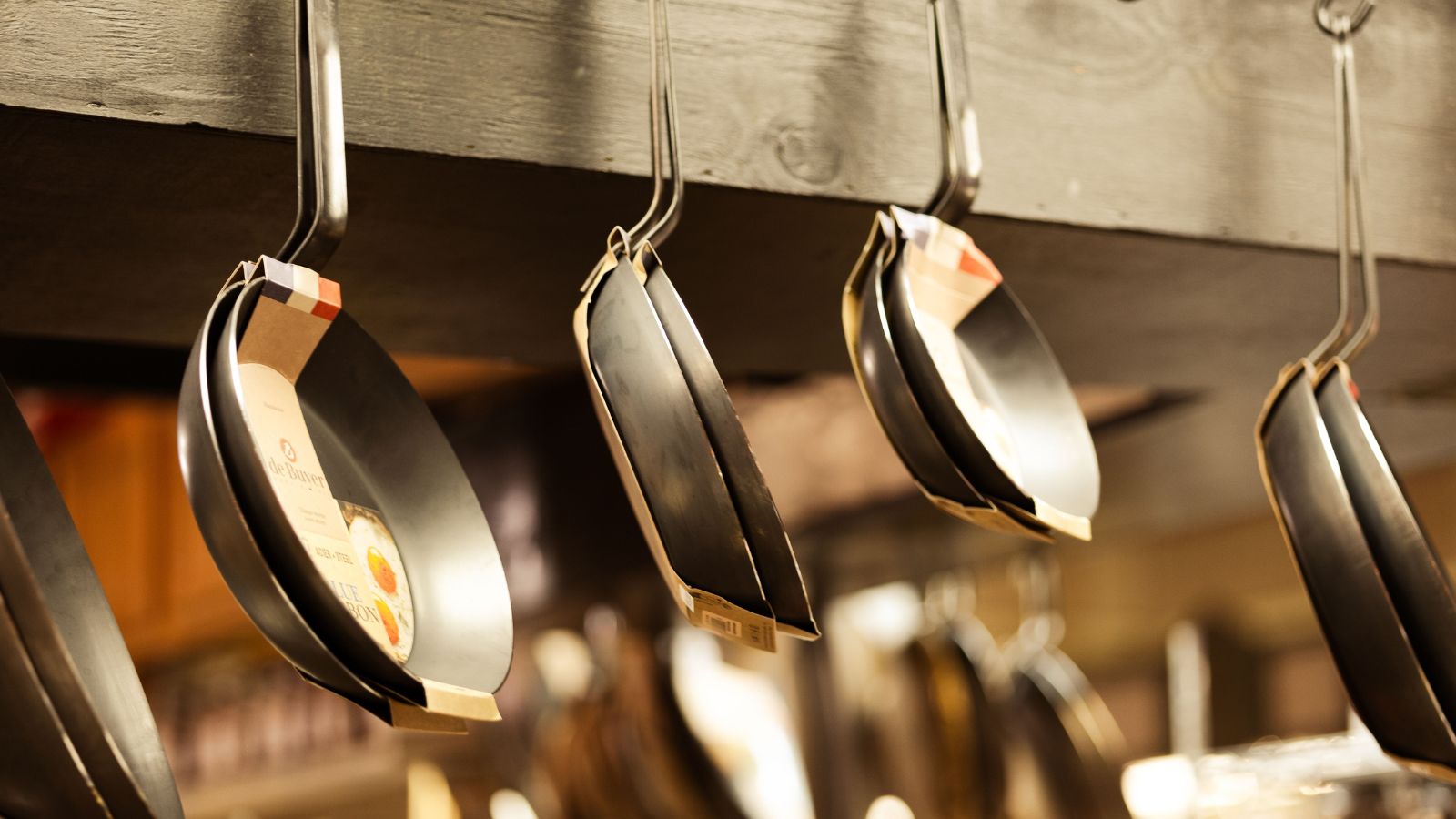
The vessel used for cooking can influence the nutritional quality and safety of food, with different materials such as iron kadhai, stainless steel, and non-stick cookware interacting with food in various ways. Iron kadhai, for instance, can increase the iron content of certain foods, particularly when cooking acidic ingredients like tomatoes, although the amount of iron transferred depends on factors such as cooking time, acidity, and the condition of the cookware.
Stainless steel is a practical choice for everyday cooking due to its durability and lack of significant reaction with food under normal conditions. However, aluminium cookware can release small amounts of aluminium into food when cooking acidic or salty dishes for extended periods. Non-stick cookware can be used safely when it is in good condition and used according to the manufacturer's instructions, but overheating an empty pan should be avoided to prevent damage to the coating and release of harmful fumes.
Ultimately, while the choice of cookware can impact nutrient retention and potential chemical exposure, it is essential to focus on using food-grade, well-maintained cookware, avoiding excessive heat, and adopting appropriate cooking techniques to maximise nutrient retention and maintain a balanced, varied diet.
Brief written by urgent.news from The Indian Express - Lifestyle's own syndicated text. Machine-written — may contain errors; check the original before relying on it.
This story
This is one outlet's version. Read the fullest account.