Invasive fire ants return to organic farms not treated for 14 months
Treatment on export-certified organic farms was paused in August 2025 after genetically modified ingredients were discovered in the baits used to treat nests.
In August 2025, export-certified organic farms in Queensland were placed on treatment hold after genetically modified ingredients were found in ant baits. The National Fire Ant Eradication Program (NFAEP) noted evidence of reinfestation in areas that lacked treatment options for 14 months. A new treatment involving direct nest injection has been identified, but it is labor-intensive compared to previous methods.
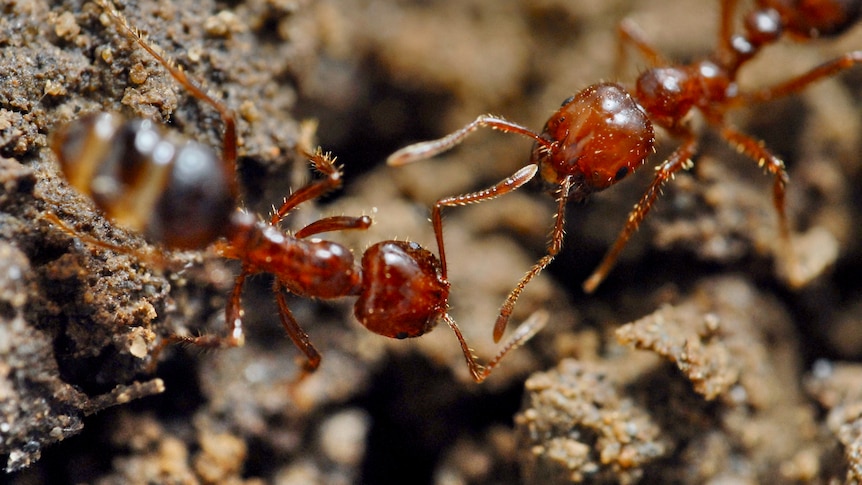
Red imported fire ants have re-infested these organic farms, leaving them without pest control options for the past 14 months. Treatment was suspended in August after genetically modified ingredients were detected in the baits. The NFAEP confirmed parts of a 1,110-hectare zone in the Lockyer Valley, Scenic Rim, and Somerset agricultural hubs were re-infested, though the full extent remains unclear.
Fire ants can travel up to five kilometers, making their spread challenging to manage. Senior director of operations Robbie Wilson stated that evidence exists of reinfestation from untreated properties. Organic farmers cannot use bait with genetically modified corn and oil without jeopardizing their organic certification. They are concerned about maintaining eradication while keeping their accreditation.
The organic producers have been collaborating with Australian Organic Limited to support them through the eradication process and mitigate infestation limitations. The affected areas constitute only a small portion of the 30,000 hectares identified with gaps in treatment across the larger control area. However, treatment may already be scheduled.
The federal Department of Agriculture, Fisheries and Forestry recently approved a permit for a product containing concentrated cinnamaldehyde, commonly found in cinnamon, for use in Queensland. This product adheres to the National Standard for Organic and Bio-Dynamic Produce. The permit necessitates application through direct nest injection or as a nest drench by individuals authorized by the NFAEP.
The first shipment from New Zealand is pending customs clearance at Brisbane port. It is an organic solution suitable for certified organic properties. Nonetheless, the labor-intensive method cannot replace extensive baiting, which Wilson noted authorities are still working on for larger organic operations. Scenic Rim organic farmer Di Fyson expressed appreciation for the new treatment but questioned the delay in its implementation, given the severity of the issue.
She indicated her willingness to test the new product if it is the sole option. Reece Pianta, advocacy director at the Invasive Species Council, expressed concern over the slow deployment of substitute treatments on an expansive scale. He emphasized the importance of closing treatment gaps to prevent fire ant spread, based on past experiences where gaps led to widespread infestations.
Written by urgent.news from ABC News AU's reporting — not their text. Machine-written — may contain errors; check the original before relying on it.