Indonesia’s central bank insists it is independent. Investors want proof
Indonesia has spent months trying to persuade investors that its economy is on the right course. A weakening rupiah, mounting budgetary pressures and a series of contentious policy decisions have made that task harder. Doubts about the management of Southeast Asia’s largest economy have now coalesced around its central bank, whose independence has come under intense scrutiny recently as President…
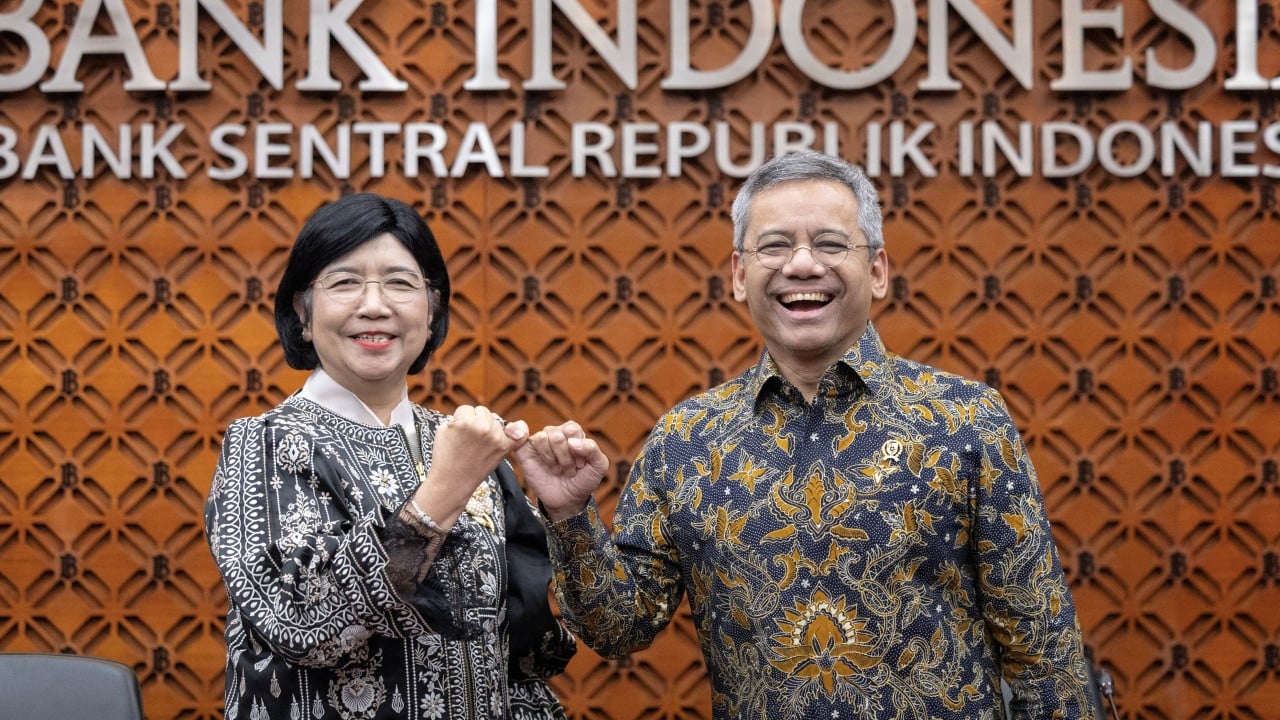
Indonesia's central bank, Bank Indonesia (BI), insists it has full autonomy to set interest rates, but investors remain skeptical of its independence. Recent economic challenges, including a weakening rupiah, budgetary pressures and contentious policy decisions, have undermined confidence in the Southeast Asian nation's largest economy. President Prabowo Subianto's efforts to steer economic policy have raised doubts about the central bank's decision-making process.
On Monday, BI's newly appointed governor, Destry Damayanti, pledged the central bank's "full autonomy" in setting rates and maintaining synergy with the government. However, analysts argue that restoring investor confidence requires more than reassurance from the central bank. They emphasize the need for improved economic policy credibility and transparency in decisions affecting the country's financial health.
Indonesia's economy has faced several setbacks, with the rupiah hitting record lows this year and major credit rating agencies downgrading the country's sovereign rating from stable to negative. The Middle East conflict has further complicated matters by driving up global oil prices. Despite this, Jakarta has maintained subsidized fuel prices, which have led to budget cuts for state institutions and Prabowo's welfare programs.
The downgrade of Indonesia from emerging-market status by MSCI, citing concerns about market dysfunction, has added fuel to the fire. Indonesian stocks have plummeted 11% to multi-year lows, making them the world's worst-performing stocks this year. Recent policy changes, such as the centralization of commodity exports and the dismissal and replacement of key officials, have also contributed to market instability.
The newly appointed BI governor, Destry, has acknowledged the government's involvement in monetary policy, stating that the president is both the head of government and state, and BI is under the state of Indonesia. She also mentioned attending meetings with President Prabowo. However, economists argue that while BI remains legally independent, its institutional independence has weakened due to changes in responsibilities and the unexpected resignation of its previous governor.
Written by urgent.news from South China Morning Post's reporting — not their text. Machine-written — may contain errors; check the original before relying on it.