India wants to push rupee trade to help forex-starved nations: Sitharaman
Finance Minister Nirmala Sitharaman said rupee and local currency settlements could help countries struggling to access hard currencies continue importing essential goods from India
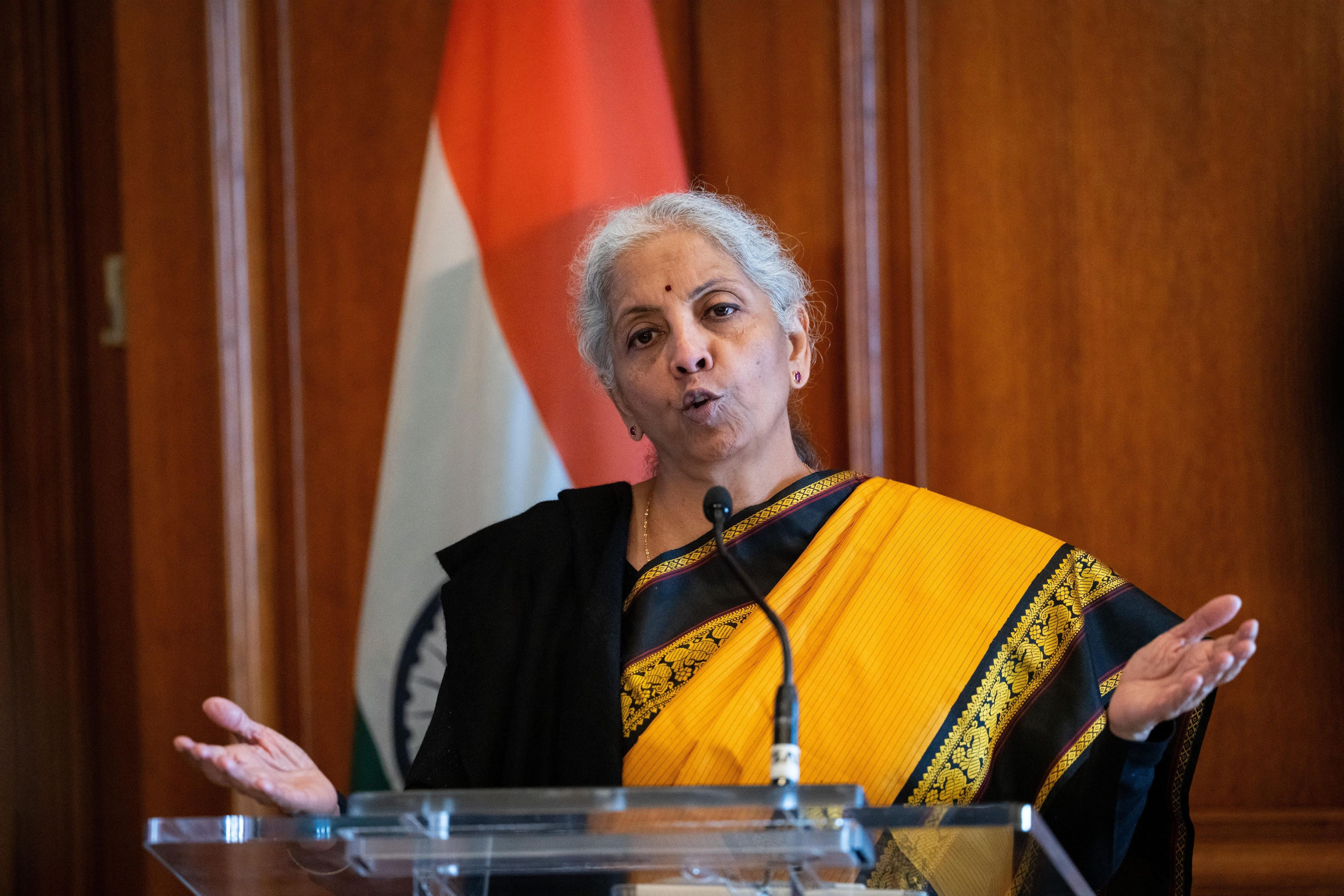
India aims to encourage trade settlements in rupees to aid partner nations grappling with a scarcity of hard currencies, enabling them to maintain imports of crucial goods, stated Finance Minister Nirmala Sitharaman on Friday. During a discussion with the Atlantic Council in Bangkok, Thailand, she elaborated that countries facing difficulties in procuring hard currencies often encounter obstacles in sustaining trade despite their reliance on imports, suggesting that local currency settlements could alleviate this issue.
Sitharaman emphasized that India seeks to facilitate rupee and local currency transactions for countries that import products from the nation. She elaborated that India is actively working to promote such settlements to ensure uninterrupted trade amidst foreign currency constraints. Local currency and rupee settlements are measures India intends to implement to ensure continued trade with nations experiencing currency deficiencies while necessitating the importation of certain goods.
The proposed mechanism was developed amid rising economic downturns impacting numerous countries adversely, she added, citing geopolitical tensions and wars that have left many nations in debt traps and balance of payments crises. Multilateral development institutions typically take years to address such problems, but these issues are now being rectified, according to Sitharaman.
India is also advocating for more substantial bilateral relationships in the realm of multilateralism, noting progress in various trade agreements that strengthen partnerships. However, she pointed out that India's trade arrangement with the Association of Southeast Asian Nations (ASEAN) is one-sided, benefiting ASEAN more than India.
While welcoming ASEAN's benefits from the agreement, Sitharaman expressed India's desire to address concerns related to its own importers, markets, and manufacturers. The two parties are currently reviewing the agreement, with India seeking to revise it in a manner that addresses the concerns of its importers and manufacturers. Furthermore, India has deliberately avoided joining the Regional Comprehensive Economic Partnership (RCEP), a deal involving sixteen Asian and Pacific economies, due to perceived disadvantages.
India withdrew from the RCEP in November 2019, citing apprehensions about cheap imports, particularly from China, mounting trade deficits, and insufficient protection for domestic industries and agriculture.
Written by urgent.news from The Economic Times - Economy's reporting — not their text. Machine-written — may contain errors; check the original before relying on it.
This story
This is one outlet's version. Read the fullest account.
- India wants to promote rupee trade settlement to help partner facing hard currency shortage: FM Nirmala Sitharaman economictimes.indiatimes.com