IMF Chief: AI Risks May Exceed Opportunities Without Safeguards, Ethics Framework
The risks of artificial intelligence may exceed its opportunities if no adequate safeguards and ethical framework are put in place, International Monetary Fund (IMF) chief Kristalina Georgieva said on Friday, backing a blend of industry self-regulation and input from key …
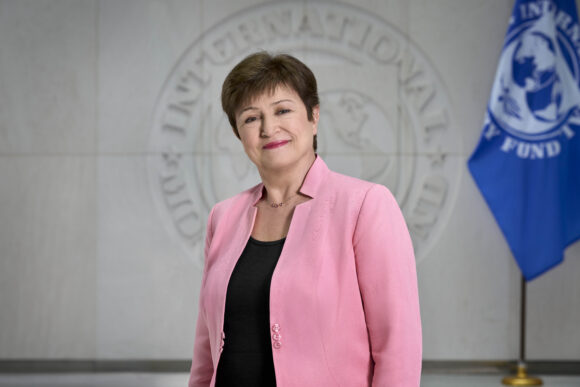
IMF chief Kristalina Georgieva cautioned on Friday that the risks posed by artificial intelligence may surpass its potential benefits without proper safeguards and an ethical framework. At the world's annual meetings of the IMF and World Bank in Bangkok, Georgieva advocated for a combination of self-regulation by the industry and input from key governments to address the emerging technology's rapid evolution.
While AI is strengthening the global economy, Georgieva warned that it could also cause negative shocks if it fails to generate significant productivity gains as quickly as anticipated. She emphasized that, without safeguards, the risks might exceed the opportunities. Georgieva stressed the need for an ethical foundation, stating that she was unsure whether society had reached that point.
To ensure that all people worldwide benefit from the new technology, Georgieva highlighted that necessary preconditions include access to digital infrastructure, electricity, and adequate regulation. She likened AI development to Formula One race cars without barriers to protect the audience. Georgieva argued that industry self-regulation could be appropriate, given the lack of government regulation or oversight in the rapidly changing sector, but it should involve engagement with society.
She also noted that countries with the most significant AI sectors, such as the US, China, and India, as well as those in the AI supply chain, should participate in the process.
The IMF chief emphasized the role of institutions like the IMF in focusing on productivity growth, labor markets, and financial stability risks. Georgieva highlighted that she believes setting standards is possible and is already starting through early policy frameworks in the European Union and voluntary commitments in the US. She also expressed support for third-party evaluators reviewing data, as her company Anthropic has done.
Anthropic's co-founder, Jack Clark, agreed with the need for standards, stating that setting them is feasible and already beginning. Clark welcomed Georgia's emphasis on an ethical foundation and shared his company's commitment to testing its systems and publishing the results. However, he did not believe that regulation should be entirely voluntary. Clark firmly stated that common sense standards are necessary to build trust in the technology and foster economic growth.
When asked if he favored regulation from the countries that produce AI, Clark replied, "Yes. We need common sense standards, and that's how you ultimately give confidence in the technology and build the economy." He also mentioned that Anthropic had invited third-party evaluators to review their data. Finally, US Treasury Undersecretary Erin Browne mentioned that the IMF was considering using the term "super intelligence" instead of "artificial intelligence" in a joint statement being drafted by the fund's steering committee.
Bank of England Governor Andrew Bailey expressed optimism about countries reaching alignment on testing standards for AI.
Written by urgent.news from Investing.com's reporting — not their text. Machine-written — may contain errors; check the original before relying on it.
This story
This is one outlet's version. Read the fullest account.