Himachal Congress’s 2027 Test: From Organisational Repair To Mission Repeat
With barely a year left before the 2027 Assembly elections, anti-incumbency could hit the Himachal Pradesh Congress government hard, while the lack of coordination between the government and the party organisation threatens to add fuel to the fire. The twin challenges could prove costly unless corrected without further delay. Retaining power will demand more than political slogans and assurances;…
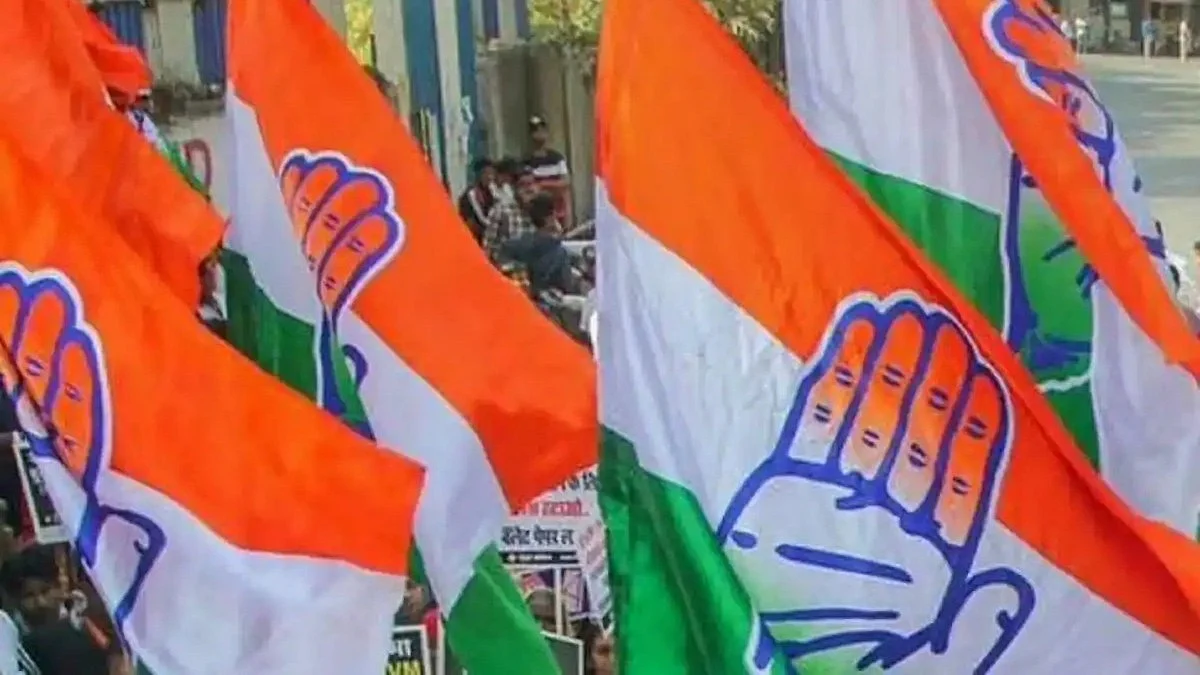
With only a year remaining until the 2027 Assembly elections in Himachal Pradesh, the Congress party faces heightened pressure from anti-incumbency sentiments. Compounding this challenge is the lack of coordination between the party's government and its organization, which could further weaken their position. To secure victory, the Congress must transcend mere slogans and assurances, instead delivering tangible governance, rejuvenating grassroots networks, and fostering leadership capable of uniting the government and organization.
The countdown has commenced, with the party realizing that electoral battles cannot be waged solely from Shimla. Elections will be conducted at the grassroots level, in villages, panchayats, towns, and local political networks. Here, voters scrutinize the government based on their day-to-day experiences, not official pronouncements.
Thus, the Congress must shift its focus from sporadic meetings to a persistent mechanism for communicating successes, identifying grievances, and equipping workers for the impending electoral challenge. This strategy, dubbed "Mission Repeat," involves both organizational rectification and electoral mobilization.
Rajani Patil, the All-India Congress Committee's in-charge for Himachal Pradesh, highlighted the necessity of coordinated efforts between the government and the organization for successful electoral preparations. Her recent conversations with district unit presidents and other officials revolve around evaluating organizational activity and pinpointing areas requiring enhanced focus.
District leaders have been urged to stay actively involved in their respective regions, while less engaged office-bearers might need to be replaced with workers ready to invest time and energy into strengthening the organization. This reassessment is vital, as it distinguishes between a paper-thin structure and one capable of mobilizing voters.
The party's survival hinges on ensuring that its workers can articulate government policies, showcase local achievements, recognize dissatisfaction, and relay feedback to the leadership. Without such links, a government with a commendable record could still be politically isolated, as currently evident in Himachal Pradesh. The disconnect between the Secretariat and the polling booth often defines electoral outcomes.
Administrative decisions alone do not guarantee political support. Their merits must be evident, comprehensible, and relayed through a credible organization. Conversely, both the party and government must acknowledge their shortcomings, rather than relying on workers to defend every decision without explanation.
Patil emphasized the need for Mission Repeat to become an operational process across the state, rather than a mere slogan. The shift in state Congress leadership, with Vinay Kumar assuming the Pradesh Congress Committee role, presents an opportunity to enhance coordination between the party organization and Chief Minister Sukhvinder Singh Sukhu's government.
Whether Vinay can leverage this opportunity effectively with Patil's full backing remains to be seen. While government and party have distinct yet complementary roles, the government is tasked with administration, policy implementation, and public service delivery. The organization must maintain a connection with citizens, explain decisions, identify emerging concerns, and alert the leadership when policies or administrative interventions fall short of expectations. When these roles operate in isolation, both lose political efficacy.
Patil stressed the importance of discipline while acknowledging that disagreements are inevitable within a large political organization. District presidents have voiced concerns about coordination with block-level units, and the party leadership has acknowledged these grievances need addressing. Although these issues may seem minor, unresolved disputes can undermine the organization precisely when it needs to be most active.
Consistent discipline helps prevent personal rivalries and organizational friction from becoming liabilities during the election campaign. However, discipline should not entail stifling legitimate criticism. Workers must have a reliable avenue to communicate their concerns about administrative failures or local discontent. The challenge lies in promoting internal discussion without allowing every disagreement to become a public confrontation that opponents can exploit.
Thus, the Congress must demonstrate that coordination is more than a stated objective; it must be evident in regular consultations, timely decisions, clear responsibilities, and a unified political message. Ultimately, electoral promises must translate into visible achievements. Organizational mobilization can carry a government's record to voters, but it cannot rectify a record that fails to meet public expectations.
Written by urgent.news from Free Press Journal's reporting — not their text. Machine-written — may contain errors; check the original before relying on it.