Here’s the difference the variable aperture of the iPhone 18 Pro makes at night
I previously tested the difference the wider aperture of the iPhone 18 Pro makes when it comes to depth of field . The executive summary is that the difference is small, but definitely present. I said at the time that I’d intended to test the difference it made to Night mode shots when an unmissable night video opportunity had me write about that instead. So belatedly, let me turn my attention to…
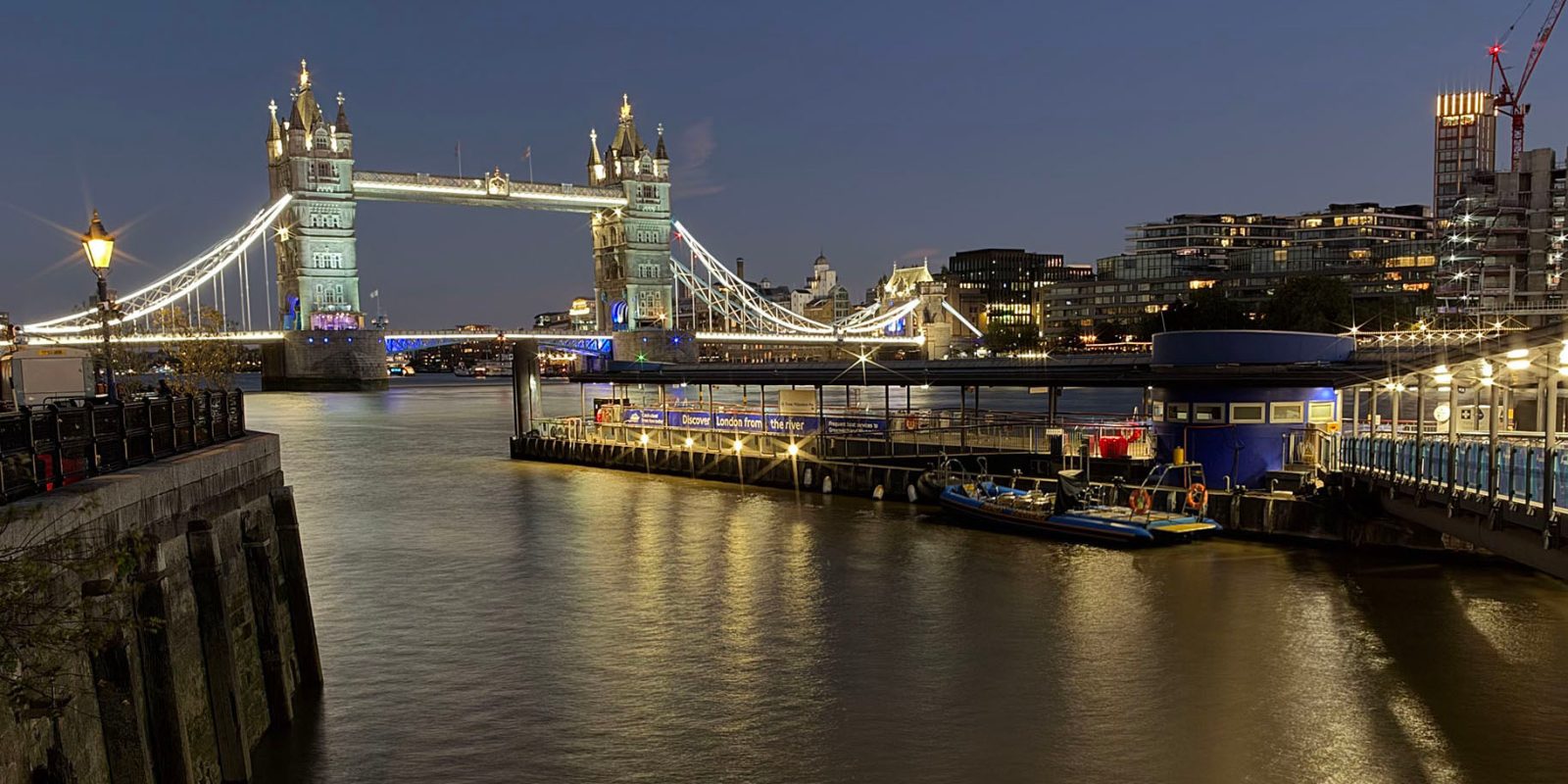
The iPhone 18 Pro's variable aperture features two key advantages for night photography: allowing users to either increase or decrease the shutter speed. A wider aperture of f/1.48 captures more light than the previous f/1.8, leading to shorter exposure times and reducing the likelihood of movement ruining the shot. In practical terms, this means Night mode photos may last 1.7 seconds instead of 2.1 seconds, for instance.
However, the differences are subtle and may only be noticeable in very low-light conditions, such as astrophotography, which is beyond London's typical night environment. Conversely, a slower shutter speed can be valuable for smoothing choppy water, as demonstrated by the improved reflections on a floating pontoon in a nighttime shot.
The variable aperture also enables the starburst effect when capturing lights, like spotlights or street lamps. To achieve a glassy-water effect, an even longer exposure of 30 seconds is needed, typically requiring a third-party app on an iPhone. While the variable aperture lens does offer benefits for night photography, it may not be a compelling reason to upgrade from an older iPhone model, depending on individual needs and preferences.
Written by urgent.news from 9to5Mac's reporting — not their text. Machine-written — may contain errors; check the original before relying on it.