Govt urged to promote electric stoves, local manufacturing
ISLAMABAD: With only 51 percent of Pakistan’s population having access to clean cooking facilities, energy experts on Thursday urged the government to promote affordable electric stoves and local manufacturing to reduce dependence on imported gas, firewood and other traditional fuels. Speaking at a national consultation jointly organised by the Sustainable Development Policy Institute (SDPI) and…
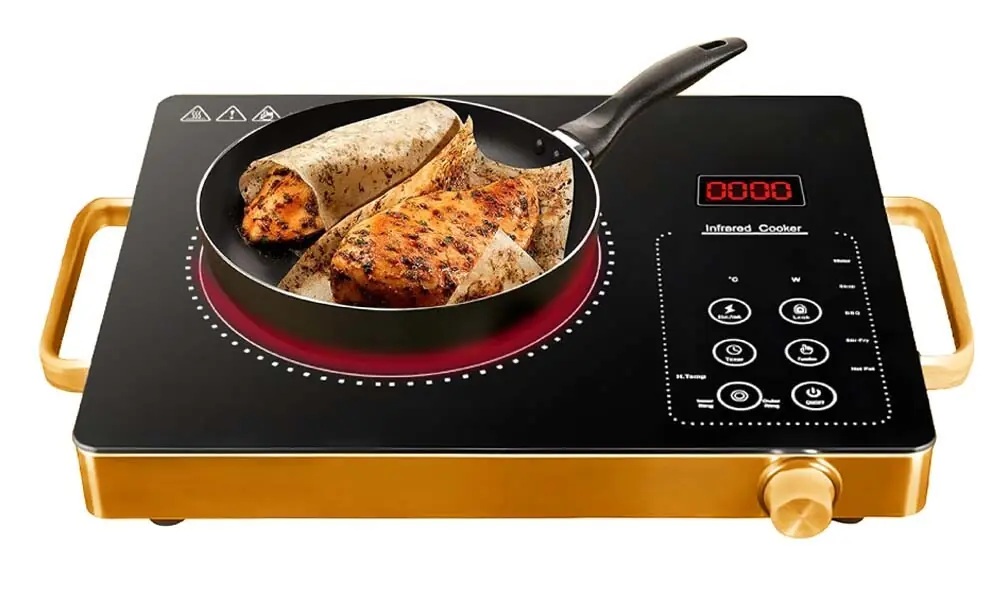
Islamabad, Pakistan: In a call for change, energy experts highlighted on Thursday the urgent need for the government to champion affordable electric stoves and local manufacturing. With only 51 percent of the country's population currently benefiting from clean cooking facilities, these experts argued that Pakistan's growing solar capacity and surplus electricity could be harnessed to accelerate the transition to electric cooking.
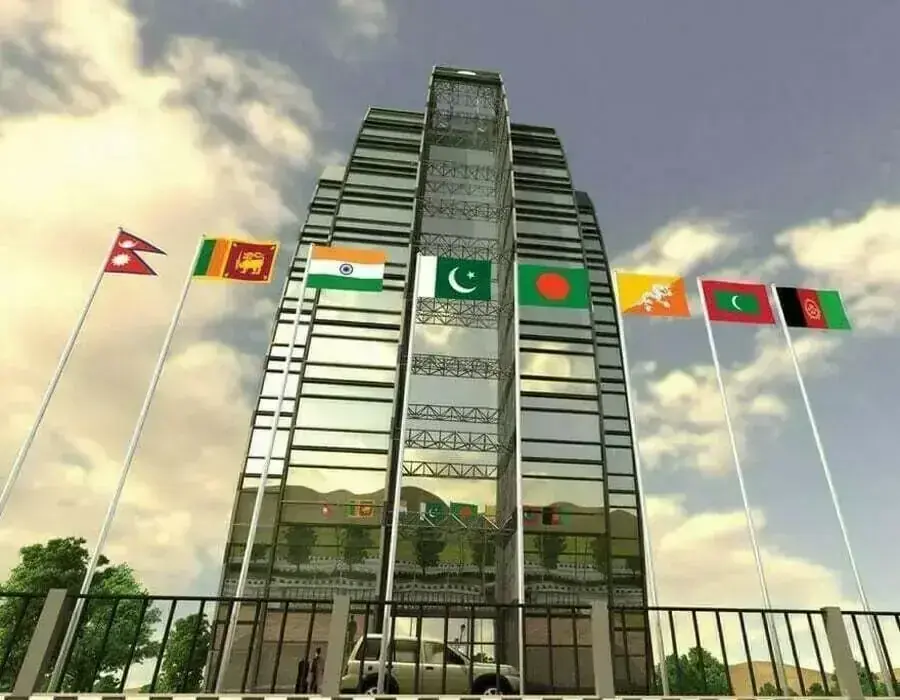
At a joint consultation organized by the Sustainable Development Policy Institute (SDPI) and the National Energy Efficiency and Conservation Authority (NEECA), these specialists emphasized that the government should introduce winter electricity incentives and incentivize the domestic production of economical electric stoves. Dr Jamsheed Ali from NEECA pointed out that Pakistan trailed behind neighboring countries, as clean cooking access surpasses 80 percent in India and reaches 92.8 percent in Bhutan.
He called for robust policies, financing mechanisms, and institutional coordination to bridge this gap. Dr Abid Qaiyum Suleri from SDPI underscored that biomass use subjects rural households, especially women and children, to hazardous emissions, while urban areas grapple with persistent gas shortages. The United Nations Economic and Social Commission for Asia and the Pacific (UNESCAP) representative, Fadia Ahmadi, underscored the dire global consequences of household air pollution, with it being linked to an estimated 2.9 million premature deaths each year.
Alicia Butterfield from the Global Electric Cooking Coalition stressed that Pakistan's massive solar potential of 50 gigawatts could be instrumental in driving a widespread shift towards electric cooking. All experts agreed that a combination of affordable appliances, consumer awareness, and government incentives would be crucial in making clean cooking a reality for every Pakistani.
Written by urgent.news from Business Recorder's reporting — not their text. Machine-written — may contain errors; check the original before relying on it.