Ghana included in WHO lead-testing programme as questions remain over local exposure risks
Ghana is among six sub-Saharan African countries selected for support to strengthen laboratory capacity for blood lead testing under a World Health Organisation (WHO) initiative, as concerns grow over the health risks posed by exposure to the toxic metal. The programme aims to improve the monitoring and early detection of lead exposure. However, the WHO’s […]
In a bid to bolster laboratory capabilities for blood lead testing in sub-Saharan Africa, the World Health Organisation (WHO) has selected six countries, including Ghana, for its Lead Poisoning Prevention Initiative. This initiative aims to enhance the monitoring and early detection of lead exposure. However, specific details regarding the number of people tested through the initiative in Ghana or the results recorded thus far remain undisclosed.
A recent survey conducted by the Ghana Health Service, Pure Earth, and UNICEF has revealed alarming figures, indicating that 52% of children under five in Ghana possess elevated blood lead levels. This underscores the urgency of identifying exposure sources and fortifying protective measures for children. Lead, a toxic metal, can inflict damage on various body systems, posing a particularly high risk to children whose brains and nervous systems are still developing.
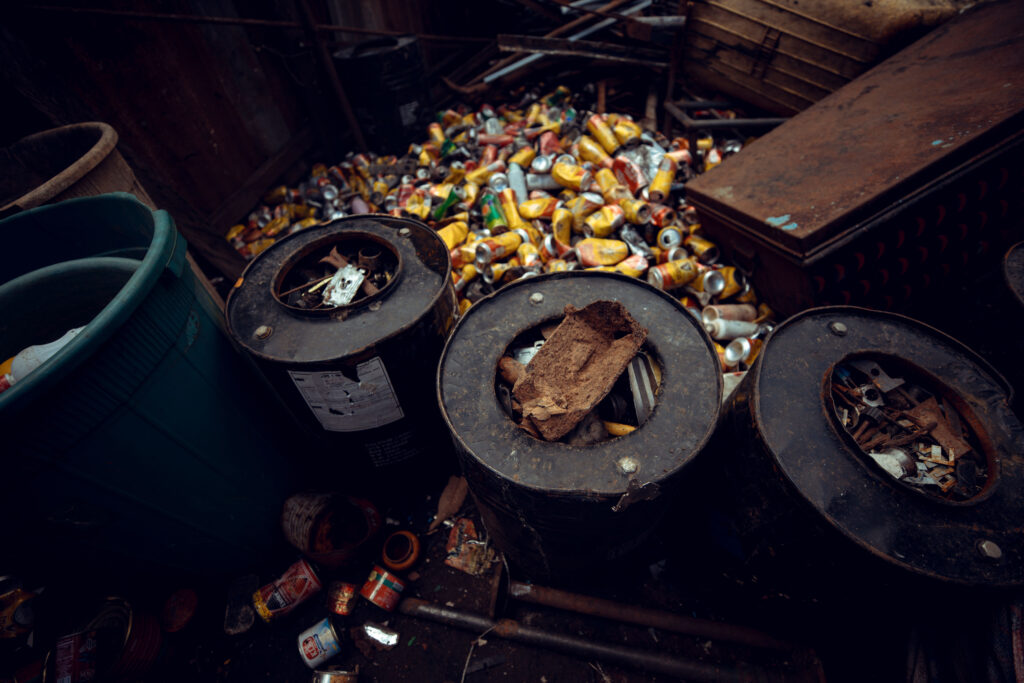
Lead exposure can stem from contaminated paint, cookware, cosmetics, spices, informal recycling, and industrial pollution, among other sources. Regardless of the source, the WHO emphasizes that there is no safe threshold for lead exposure; even minimal exposure can lead to irreversible brain development damage and affect learning, behavior, and intellectual development. The organization underscores that no level of lead exposure is deemed harmless, as even relatively low levels can inflict lasting harm.
In adults, lead exposure is linked to cardiovascular and kidney diseases, with the effects often not immediately evident, complicating diagnosis without proper testing. Globally, the WHO estimates that lead exposure claims over 3.5 million lives annually, primarily through cardiovascular impacts.
To address lead contamination in food, Ghana has launched a national strategic plan for heavy metals reduction in food, spanning 2026 to 2030. This plan aims to bolster food safety regulation, surveillance, laboratory capacity, and public awareness, including measures targeted at lead, cadmium, mercury, and arsenic. The report highlights instances of lead contamination in certain consumer products and food-related materials.
The WHO is calling for decisive action at the source, urging governments to fortify regulations, enforce safety standards, improve monitoring and surveillance, eliminate lead hazards from products and environments, adopt safer industrial practices, enhance waste management systems, intensify public awareness, and bolster capacities for managing poisoning cases. The WHO is also collaborating with governments and partners to transform the existing evidence into tangible action.
Despite significant progress, the WHO's latest global assessment reveals that fewer than half of countries have legally binding controls on lead paint. The organization is steering towards the development of a Global Action Plan on Lead Mitigation, which is slated for presentation to the World Health Assembly in 2027. Additionally, the WHO plans to launch its PREVENT Technical Package on Lead Poisoning Prevention in 2027, offering practical guidance on identifying major exposure sources, selecting effective interventions, strengthening regulations, and tracking progress.
For Ghana, key questions persist regarding the implementation of the WHO-supported laboratory programme, the availability of blood lead testing, the specific exposure sources impacting children, and the enforcement of relevant safety standards. While the WHO stresses that preventing lead exposure can safeguard children's development, reduce disease burdens, and yield broader social and economic benefits, the specifics surrounding Ghana's participation in the initiative remain unclear.
Written by urgent.news from MyJoyOnline Ghana's reporting — not their text. Machine-written — may contain errors; check the original before relying on it.