G20 finance chiefs share global inflation concerns from Middle East crisis
BANGKOK (Kyodo) -- Finance ministers and central bank governors from the Group of 20 major economies shared concerns Thursday over mounting global inf
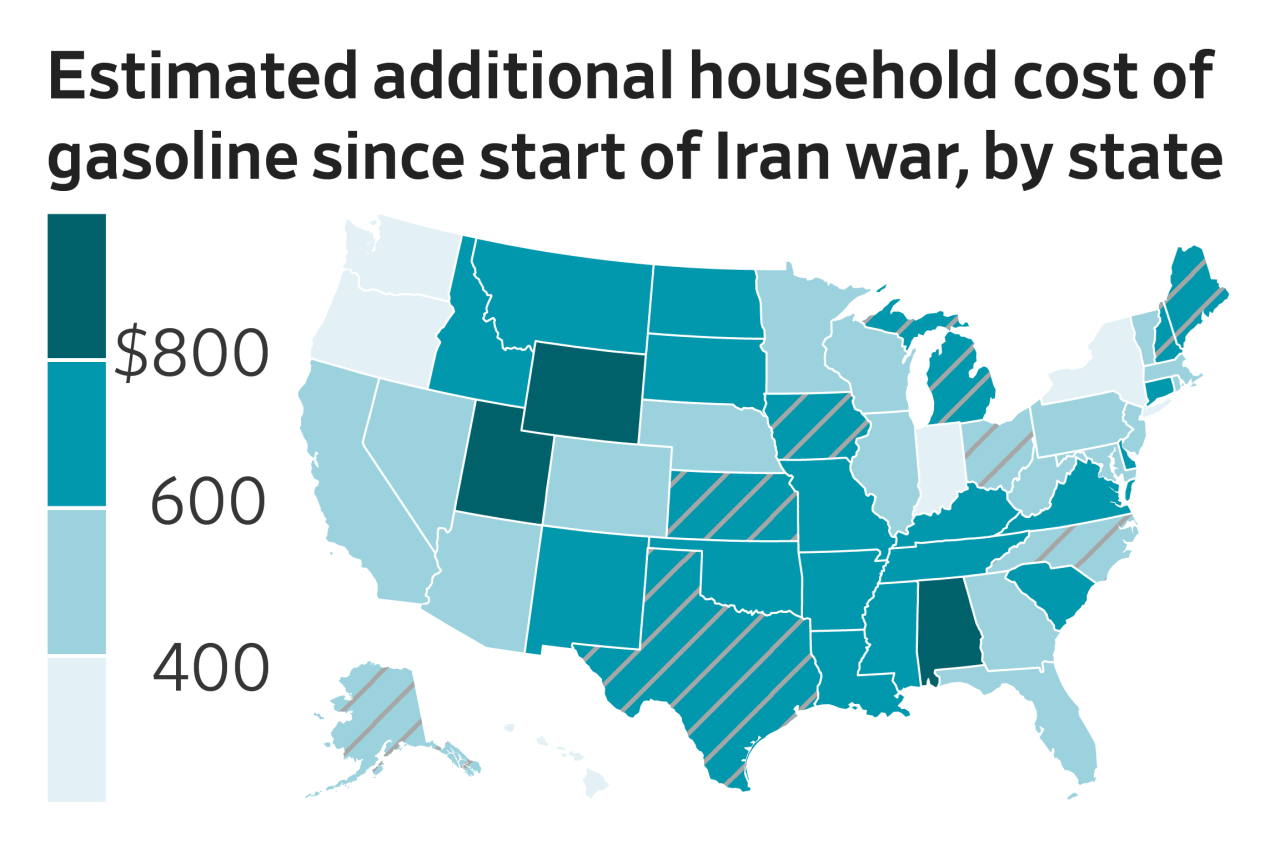
Finance ministers and central bank governors representing the Group of 20 major economies met in Bangkok on Thursday to discuss mounting global inflationary pressures, exacerbated by ongoing turmoil in the Middle East. The discussions focused on central banks' efforts to curb inflation through interest rate hikes and emphasized the importance of stability in currency markets.
Japanese Finance Minister Satsuki Katayama, along with Bank of Japan Governor Kazuo Ueda, highlighted the need for Japan to closely monitor the foreign exchange market.
The United States, which currently holds the G20 presidency, was not in attendance at the meeting. The G20 did not issue a joint statement, underscoring the difficulty of reaching consensus among its members amid growing trade and geopolitical tensions. This reflects a recurring issue, as the group failed to agree on a joint statement during a previous meeting in Asheville, North Carolina, when China objected to language on trade and other matters.
The International Monetary Fund (IMF) projected a global economic growth of 3.1 percent in 2026, up 0.1 percentage point from its July forecast. However, the IMF cautioned that inflation could negatively impact economic activity. Rising prices have led to higher long-term interest rates in many countries, straining public finances. IMF Managing Director Kristalina Georgieva called for enhanced revenue generation, fiscal rationalization, and improved public financial management during a press conference on Wednesday.
G7 finance and central bank chiefs joined the G20 discussion on Thursday to address rising interest rates in major economies, global trade imbalances, and the rapid evolution of artificial intelligence. Katayama stressed that upward pressure on interest rates would not subside unless countries establish clear targets for fiscal sustainability, create fiscal space, and invest in growth areas.
The G7 also examined China's excessive steel production and large-scale exports of low-priced goods, which have adversely affected manufacturers in other countries.
Written by urgent.news from The Mainichi's reporting — not their text. Machine-written — may contain errors; check the original before relying on it.