From Ancient Rome to Trump: How public executions evolved as an instrument of state power
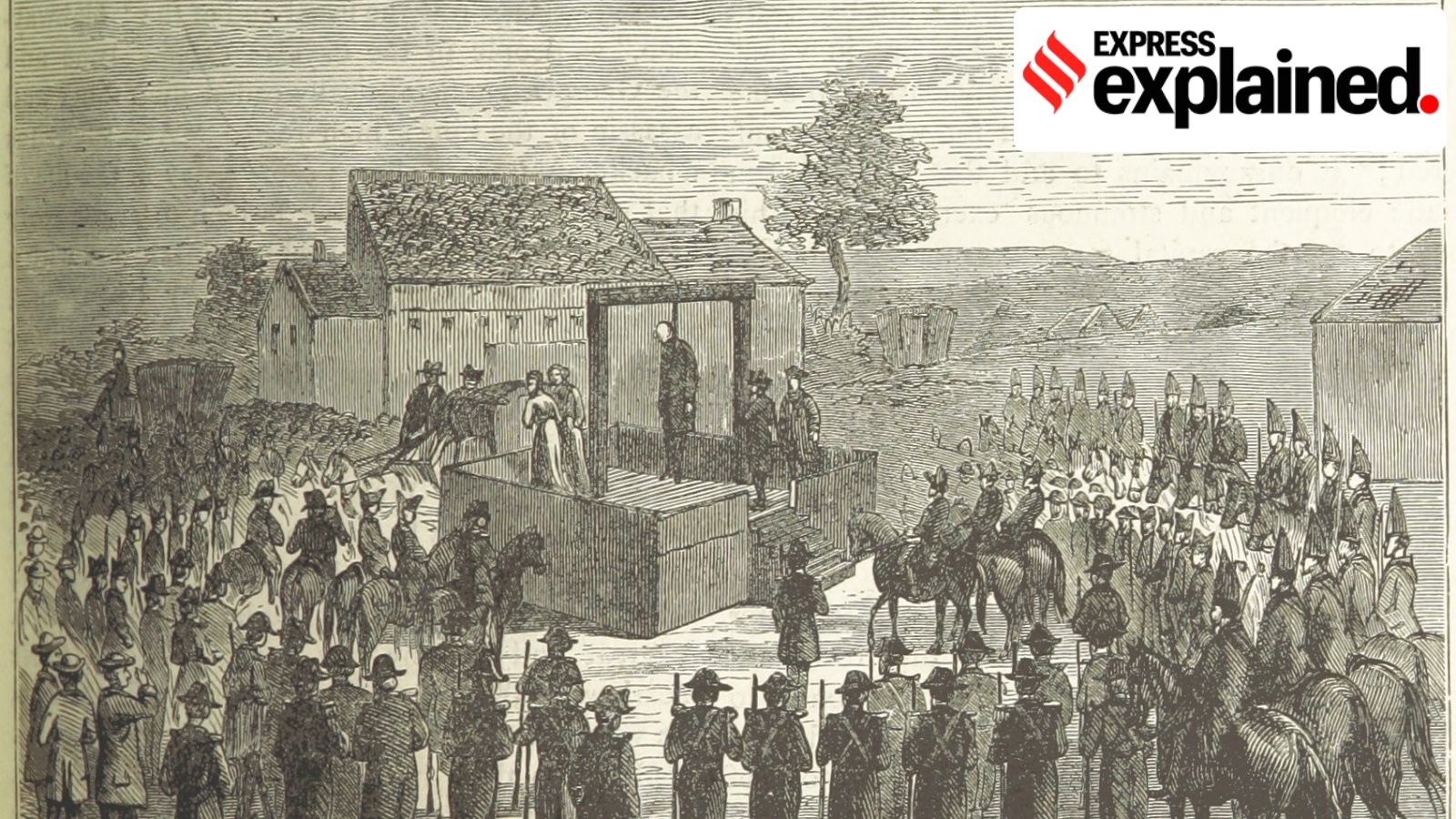
Public executions have a long history, dating back to ancient Rome and continuing up until the 20th century. The crucifixion of Jesus Christ in AD 33 is one of the most widely recognized examples of a public execution, where Pontius Pilate authorized the condemned man to be flogged and crucified. Executions in ancient Rome were often grand spectacles, designed to instill fear and deter potential criminals.
This tactic was not unique to Rome; pre-modern societies, including Athens and Babylon, also employed capital punishment as a widely accepted form of state power.
The Roman Empire, in particular, was known for its flamboyant approach to executions, which were meant to delight the audience. Much like executions in pre-modern societies, Roman punishments were meant to send a clear message about the consequences of breaking the law. However, the practice of public executions faced criticism.
Roman philosopher Seneca the Younger believed that witnessing these events could negatively impact an individual's psyche, and Michel Foucault argued in the 20th century that the condemned person's body became the site of state influence.
Despite criticism, public executions remained a common tool of state power through the 18th and 19th centuries. In the 19th century, a growing middle class began to view the theatricality of punishment as a threat to civic order, leading to a decline in public executions. By 1868, the British Parliament had formally abolished public executions, and similar changes occurred in the United States.
Pennsylvania became the first state to move executions behind closed doors in 1834, and the last legal public execution in the US took place in 1936.
Written by urgent.news from The Indian Express's reporting — not their text. Machine-written — may contain errors; check the original before relying on it.