Fed’s Warsh says AI boom could boost growth, but warns of bumpy transition
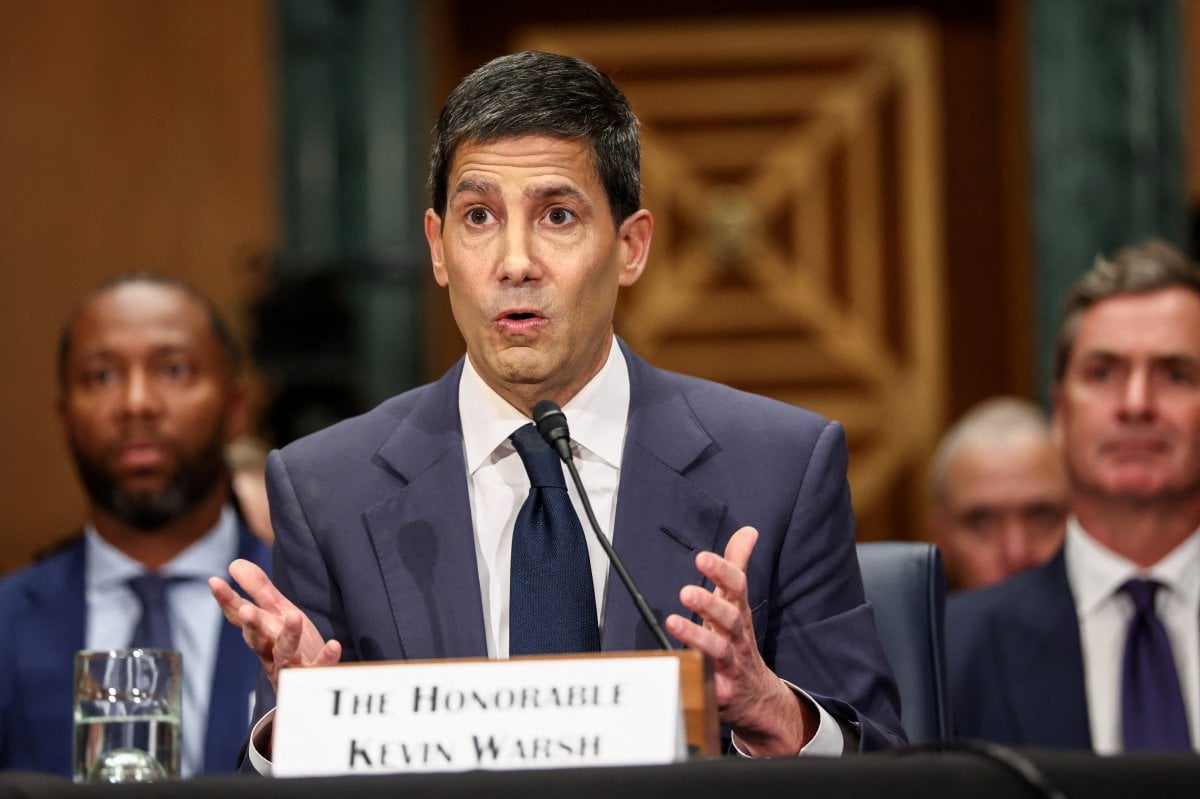
Federal Reserve Chair Kevin Warsh highlighted on Friday that artificial intelligence (AI) could substantially enhance economic productivity in the medium term, though the shift is expected to be challenging and present issues for monetary policymakers. Addressing the International Monetary Fund forum during annual meetings in Bangkok, Warsh emphasized the central bank's dedication to maintaining price stability.
He posited that AI initially stimulates demand before its substantial benefits are realized in the supply side of the economy. Warsh termed AI one of the most significant changes to the U.S. and global economy in his lifetime, forecasting a positive supply shock in the medium term. Nonetheless, the transition would introduce uncertainties regarding employment, market structure, and which firms would ultimately gain from the technology.
Policymakers must evaluate AI's impact on inflation, productivity, and financial stability, Warsh stated. The Federal Reserve remains committed to restoring price stability after trimming some monetary policy support in September, but refrained from forecasting its next action. Warsh declined to predict the Fed's subsequent move, asserting that policymakers would scrutinize developments in output, employment, and inflation before their remaining meetings this year.
He underscored persistent inflation as a universal challenge for central banks worldwide, acknowledging that policymakers have displayed resolve in pursuing price stability despite varying economic conditions. The U.S. economy is currently reaping benefits from a significant surge in investment, which extends beyond AI, fostering growth.
The global economy has proven more resilient than anticipated several months ago, even amidst geopolitical tensions and conflicts. The Fed is currently examining AI's implications through external task forces, including one focusing on productivity and jobs, which is set to hold its first field hearing in the San Francisco Bay Area on November 16.
Warsh emphasized that policymakers must question prevailing assumptions and remain receptive to novel ideas as technological and structural changes reshape the economy.
Written by urgent.news from Investing.com's reporting — not their text. Machine-written — may contain errors; check the original before relying on it.