Fed chair Warsh says price stability is key but deflects on rate signals
Federal Reserve Chairman Kevin Warsh said Friday he won’t prejudge what the U.S. central bank will do about interest rates at its upcoming meetings in October and December. The Fed increased its key interest rate by a quarter-point to about 3.9% in September, its first increase in three years, and stubbornly elevated U.S. inflation will likely lead it to hike that rate again in coming months to…
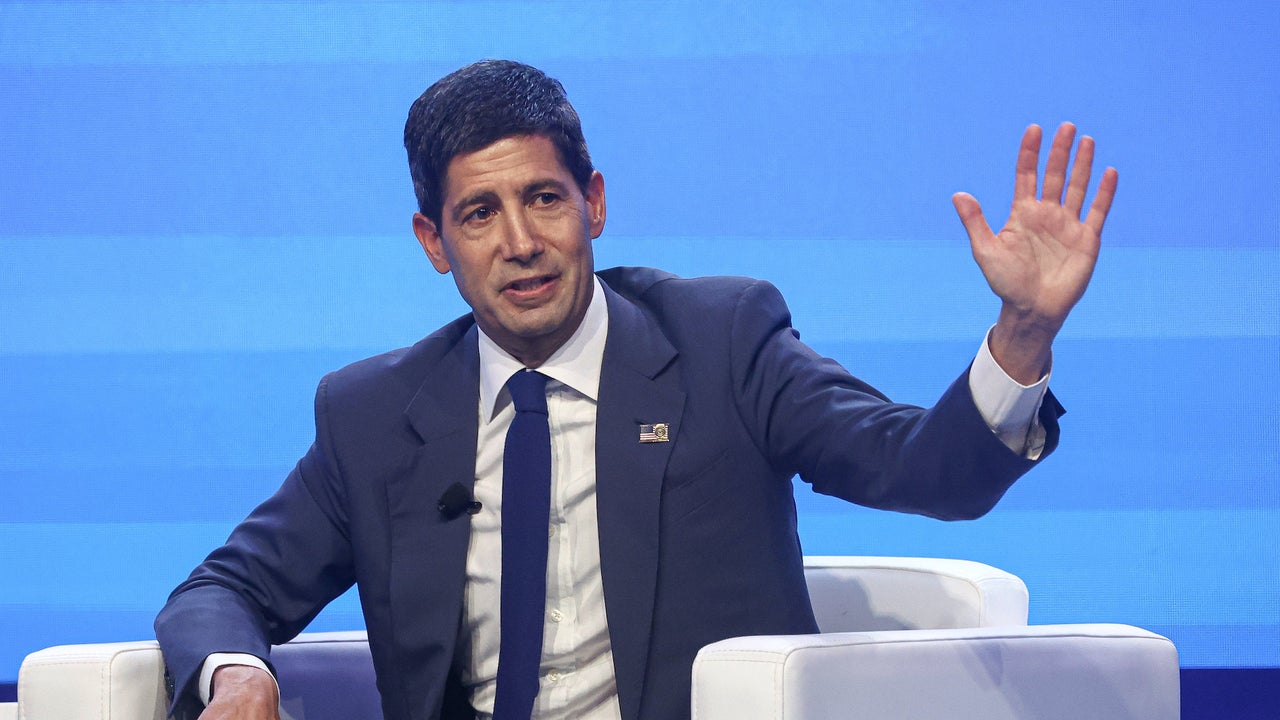
Federal Reserve Chairman Kevin Warsh emphasized that price stability is the primary goal of the U.S. central bank, but he declined to predict the bank's actions on interest rates during upcoming meetings in October and December. In September, the Fed raised its benchmark interest rate by 0.25% to around 3.9%, marking its first increase in three years. Persistent high U.S. inflation will likely prompt the Fed to raise rates again in the coming months to curb spending and alleviate price pressures.
During a discussion with IMF Managing Director Kristalina Georgieva at a financial leaders' meeting in Bangkok, Warsh refrained from offering new clues about the Fed's future rate decisions. "At the Federal Reserve, we made very clear that we would deliver price stability, and we removed a dose of accommodation about a month ago," Warsh stated. "I don’t prejudge meetings. I don’t believe in saying now what I might do at the meetings that we have in the balance of this year."
The Federal Reserve's September rate hike contradicted President Donald Trump's calls for the Fed to lower rates. Despite the president's criticism of the Fed's decision, he supported Warsh, who was appointed to the role earlier this year. Central bankers and financial leaders meeting in Bangkok expressed concern over the global surge in prices.
Fed officials anticipate another interest rate increase this year to address inflation, which could raise borrowing costs for mortgages, car loans, and credit cards. Warsh highlighted AI-driven investment as a factor contributing to higher inflation, with the Fed's AI task force set to meet on November 16.
AI is expected to bring significant benefits to the global economy in the long run, according to Warsh. "I’d say the advent of this new technology is probably the most consequential change to the U.S. and the global economy in my lifetime to this point," he said. Warsh believes AI will eventually provide central banks with unprecedented access to global information and advanced analytical tools to better understand inflation trends.
Written by urgent.news from Fast Company's reporting — not their text. Machine-written — may contain errors; check the original before relying on it.