Egypt’s Climate-Resilient ‘Super Corals’ Are Starting to Feel the Heat
Scientists can’t agree why reefs in the Red Sea have long been immune to bleaching. The answer could be the key to saving these tough corals as climate change begins taking its toll.
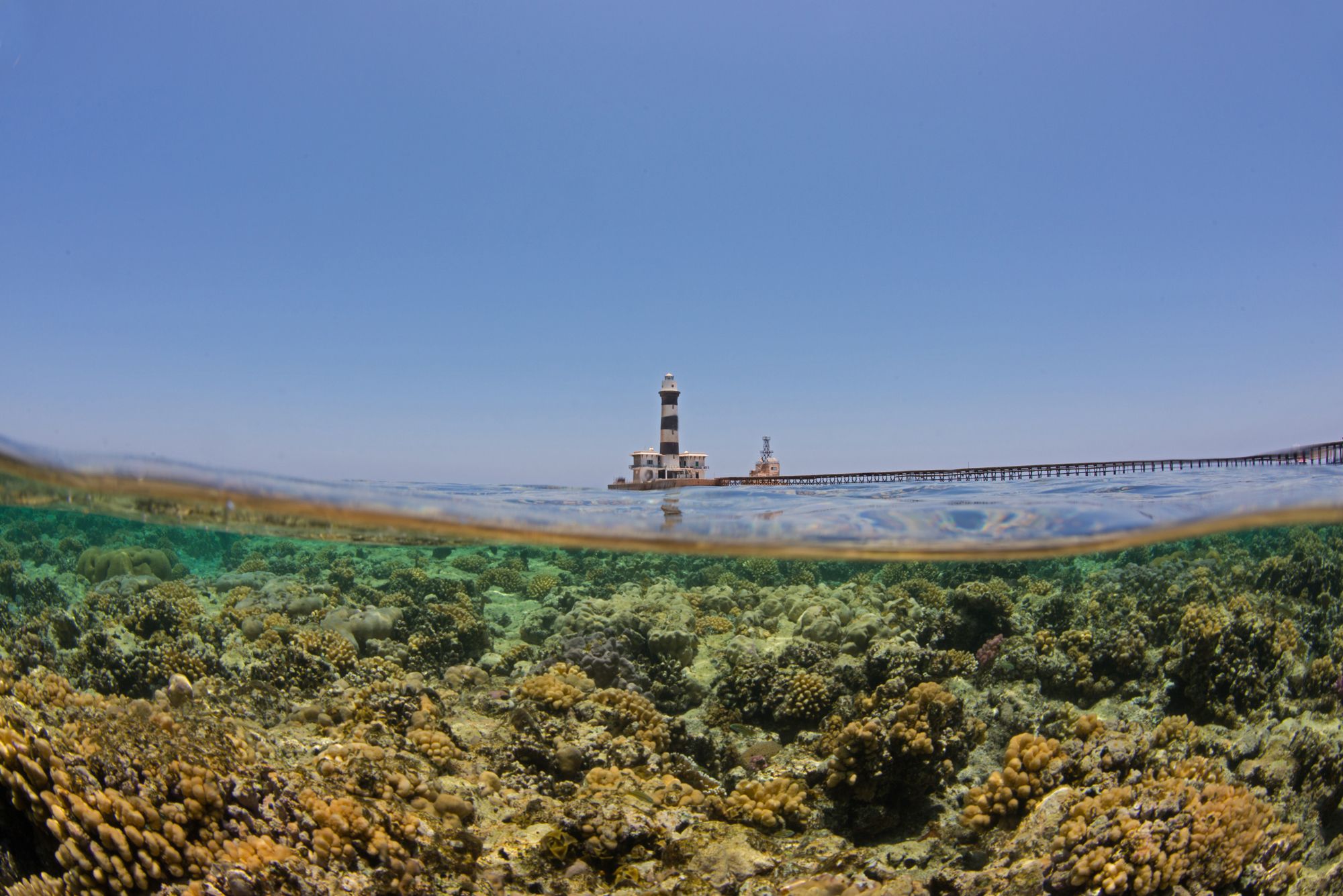
Egypt's "Super Corals" are facing mounting pressure due to an increase in heat waves over the past two years. Marine biologist Mahmoud Hanafy, who has been studying the Red Sea's ecosystems, reported bleaching in coral colonies during the summers of 2023 and 2024. In northern areas, only a fraction of corals were affected, while in the south, around half of them perished.
The question now is whether these hardy corals, known as "super coral," can endure even more heat. Scientists are investigating what has protected them thus far and whether this defense will continue to hold. Coral bleaching occurs when algae, which provide corals with essential nutrients, are expelled due to excessive heat. This leaves corals vulnerable to starvation and other detrimental effects.
The ongoing bleaching not only threatens the corals but also the myriad marine species that rely on these ecosystems for survival. The resilience of Egypt's Red Sea reefs is believed to be a result of their evolutionary history. Presumably, corals crossed the Bab al-Mandab Strait from warmer waters into the Red Sea, establishing a natural resistance to heat.
However, expert Eslam Osman suggests that water circulation plays a more significant role in mitigating heat stress. The Red Sea experiences fluctuations in current direction, which facilitates vertical water mixing, drawing cooler water to the surface. These conditions may be preserving the corals, even in otherwise scorching conditions.
However, in 2024, unusually calm sea conditions weakened this protective buffer. Nonetheless, experts acknowledge that temperature is the primary factor contributing to coral bleaching. While both water circulation and temperature play a role, sustained efforts are crucial to protect the reefs. As part of this protection, the Egyptian government has established new marine protected areas and is collaborating with international organizations to safeguard coral reefs.
Hanafy emphasizes that addressing climate change is vital for the long-term survival of Egypt's reefs.
Written by urgent.news from Wired's reporting — not their text. Machine-written — may contain errors; check the original before relying on it.
This story
This is one outlet's version. Read the fullest account.