Does a robot cost $2 or $35 an hour? A multitrillion-dollar market depends on how the answer
Selling labor, not robots.
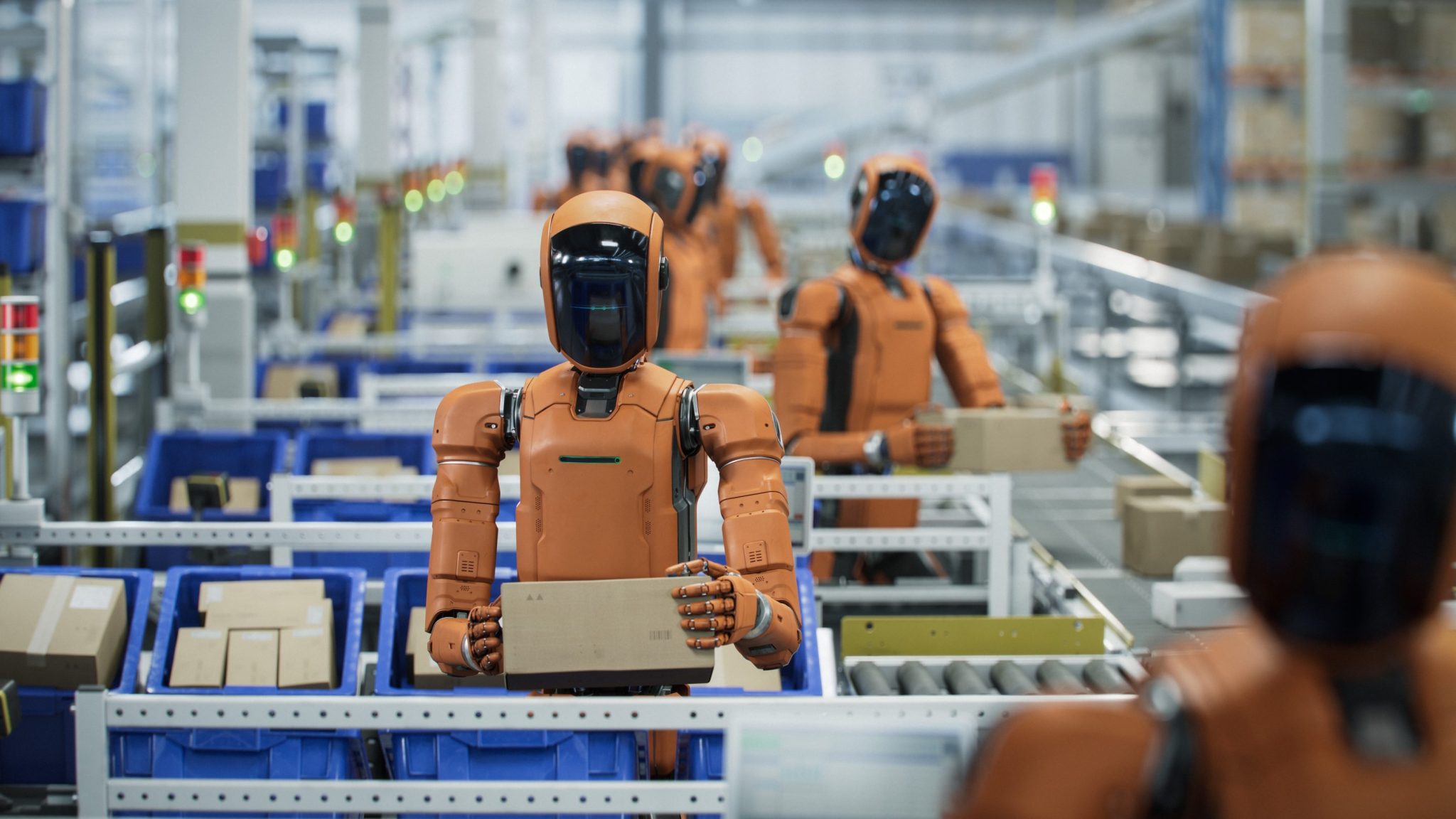
Determining the true hourly cost of a robot for businesses is a complex question, with varying estimates ranging from $2 to over $35 per hour. The disparity between these figures stems from the different factors considered when calculating robot costs, such as purchase price, operating hours, and maintenance expenses.
In reality, the true cost of using a robot hinges on its reliability and productivity in real-world conditions rather than its theoretical price tag. Enterprises seek dependable labor to perform tasks in complex factory, warehouse, or distribution center environments. The crucial distinction lies in how much useful work a robot can consistently perform under varied circumstances.
The economics of physical AI depend on utilization – the percentage of time a robot operates productively. A robot's hourly cost calculation involves its purchase or lease cost, divided by the productive hours it works over its lifespan, plus additional costs like power, maintenance, software, integration, and supervision. The key variable that changes everything is productive time.
For instance, a $90,000 industrial robot amortized over five years working 2,000 hours annually would cost about $12 per productive hour, including maintenance and other expenses. However, if the robot operates only 1,000 hours per year, the hardware cost per productive hour would double. Operating at lower productivity levels further increases the effective cost.
While software advancements are improving productivity per hour, cost per hour is only reduced by increasing operational hours. The question becomes whether the robot can deliver practical value at scale or remains an expensive pilot project.
Manufacturing and logistics environments present unique challenges for deploying robots. Variations in objects, packaging, human presence, and equipment movement can lead to inconsistent performance and frequent reintegration efforts. A robot requiring constant human intervention is not autonomous labor, but rather an ongoing integration project.
To address this issue, some companies are exploring Labor-as-a-Service models, where customers pay for completed work rather than purchasing expensive robotics equipment. In this arrangement, the vendor assumes greater responsibility for deployment, maintenance, software, and uptime, while the customer focuses on receiving a reliable service.
This approach directly confronts utilization concerns and may prove more attractive for businesses facing labor shortages in manufacturing and logistics. By emphasizing operational discipline and the consistent performance of robotic services, these models aim to bring the transformative potential of physical AI from theoretical debates to practical, cost-effective realities.
Written by urgent.news from Fortune's reporting — not their text. Machine-written — may contain errors; check the original before relying on it.