Commentary: Haze chokes plants too - how air quality can be a food security issue
Southeast Asia must address the damage of the haze on agriculture, especially food crops, says Paul Teng of ISEAS-Yusof Ishak Institute.
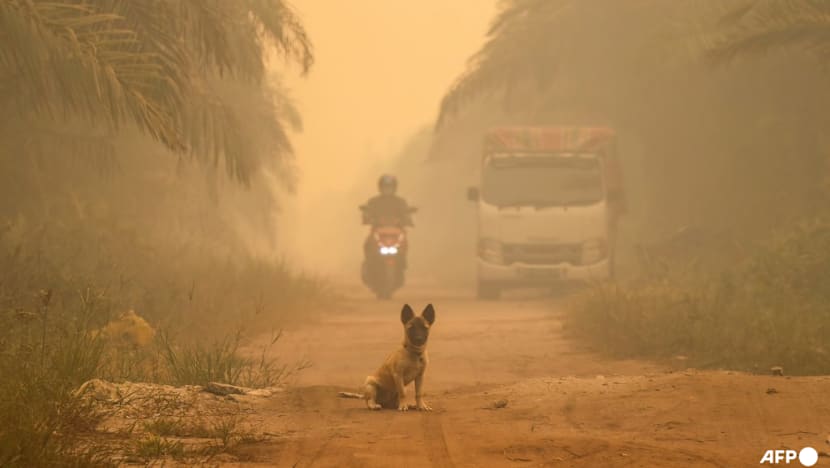
Southeast Asia faces a dual threat from haze, not just in terms of respiratory health but also food security. While the immediate effects of haze are visible - respiratory illnesses, school closures, disrupted flights, and poor visibility - the less immediate but equally significant impact is on agriculture. Haze, a symptom of broader air-quality problems like particulate matter, ground-level ozone, and nitrogen oxides, can severely affect crop growth, yield, and quality.
This is because plants rely on sunlight for photosynthesis, and poor air quality can reduce this process, leading to lower growth, yields, and crop quality. Particulate matter may also carry contaminants that can accumulate in plants, particularly vegetables grown near urban and industrial areas. The impact of haze can be substantial, potentially affecting up to 40-55% of Southeast Asia's farmland during major episodes.
Despite this, ASEAN lacks scientific assessments of the impact of haze on agricultural productivity, making it a largely overlooked issue in discussions about air quality and its consequences.
Brief written by urgent.news from Channel News Asia's own syndicated text. Machine-written — may contain errors; check the original before relying on it.