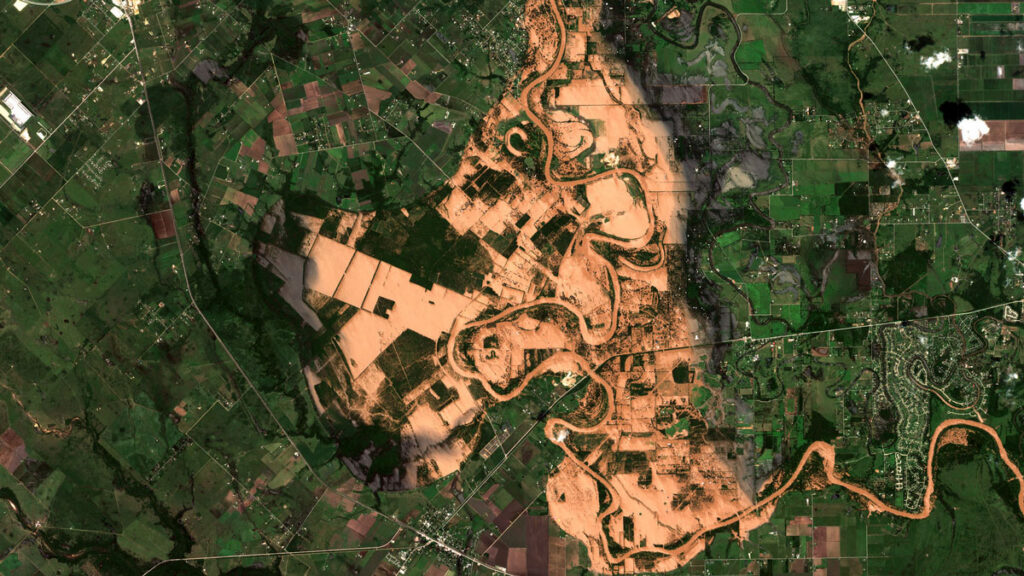
Clouds over the Highest Mountains Dance a Little Differently
Clouds over the Tibetan Plateau and the Andes are growing colder and higher than other clouds in response to climate change. That could affect local hydrology and radiation.
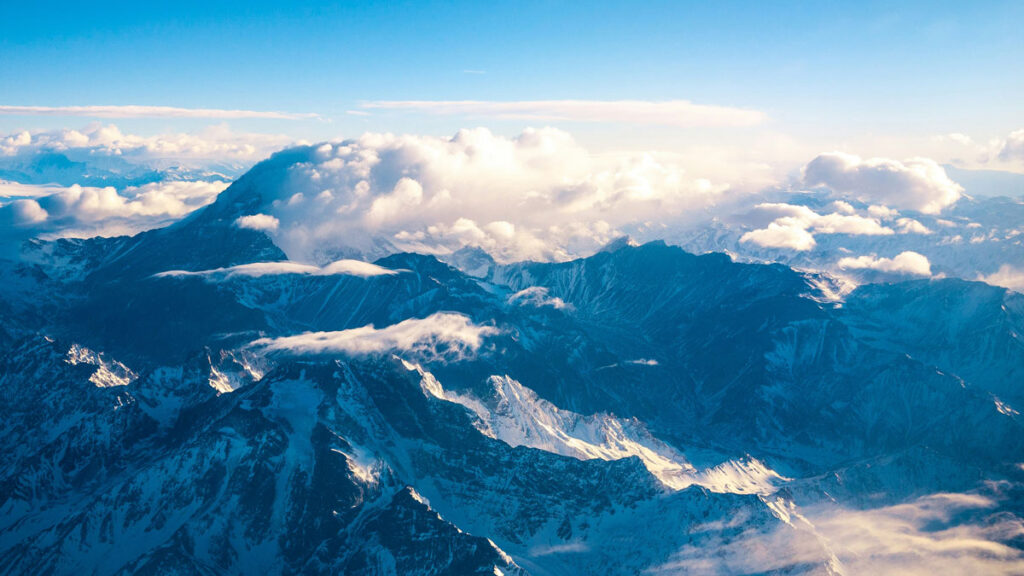
Cloud behavior over mountainous regions is increasingly affected by global warming, according to a new study. Researchers analyzed satellite data and climate information from various mountainous areas, including the Tibetan Plateau, European Alps, Andes, Appalachians, and Rockies, between 2003 and 2022. They discovered that clouds in these regions are changing in terms of their vertical structure and phase, which can include liquid, ice, and supercooled phases.
There has been an increase in warm-liquid and ice cloud phases, while the vertical development of clouds has been suppressed, and fewer clouds have been formed in the supercooled phase. Ice cloud tops over mountains have risen and cooled faster than those over adjacent lowlands. However, the response of supercooled clouds to a warmer climate varies depending on the location.
Over lowlands and lower-elevation mountains, supercooled cloud tops warm and then descend, indicating suppressed vertical cloud structure development. In contrast, over the highest-elevation mountains—such as the Tibetan Plateau and the Andes—supercooled clouds are able to cool and ascend further. This difference in response to warming could be due to stronger warming at lower altitudes destabilizing the vertical thermal profile in the Tibetan Plateau, allowing clouds to develop higher into colder air.
In the Andes, colder and higher clouds are associated with higher moisture content in the atmosphere. The study emphasizes the need for further research into how these changes in high-elevation clouds could impact the way they trap radiative energy in Earth's atmosphere or reflect it back into space. This information could help improve regional radiative energy budgets, which are crucial for understanding and predicting climate change.
Written by urgent.news from Eos's reporting — not their text. Machine-written — may contain errors; check the original before relying on it.