Chartbook 478 Money and Empire - for Perry Mehrling
In 1973, the great MIT economic historian Charles P.
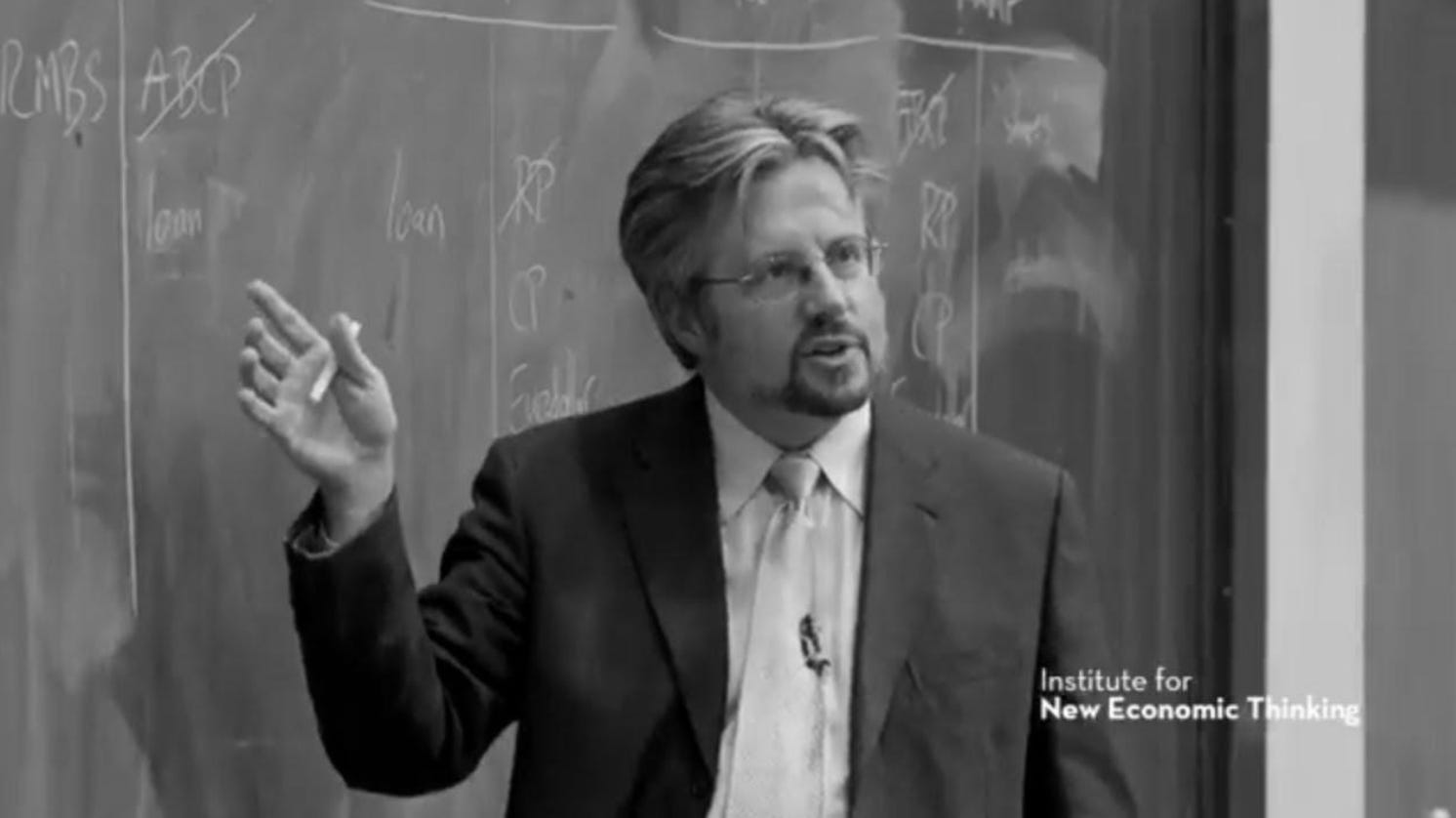
In 1973, renowned MIT economist Charles P. Kindleberger authored the definitive history of the Great Depression titled "The World in Depression 1929–39". In 2022, Perry Mehrling, following the aftermath of the COVID pandemic, published an intellectual biography of Kindleberger in the New Statesman. Mehrling emphasizes that Kindleberger, like Hyman Minsky, was a staunch advocate for the pivotal role of money in economic matters, transcending national borders.
Kindleberger's expertise extended beyond international finance, balance of payments, currency, the gold standard, and the Bretton Woods system. He was also a theorist of money and banking as inherently transnational, cosmopolitan, and deeply intertwined with empires and nation-states. Mehrling highlights that viewing money as international rather than national leads to methodological nationalism, which treats national units as primary and related to one another like islands connected by boundaries.
However, global money flows across balance sheets, regardless of geographical boundaries. Ownership, accounting, and control are dispersed across space. Therefore, comparing global finance flows with national economic aggregates, such as shares of global GDP, is akin to comparing apples and oranges.
Written by urgent.news from Chartbook's reporting — not their text. Machine-written — may contain errors; check the original before relying on it.