Beyond pointing your phone at the night sky, this is how to use stargazing apps effectively
There is no shortage of stargazing apps, but unless you use these tips, you may be missing out. Here are the best ways to get the most out of them.
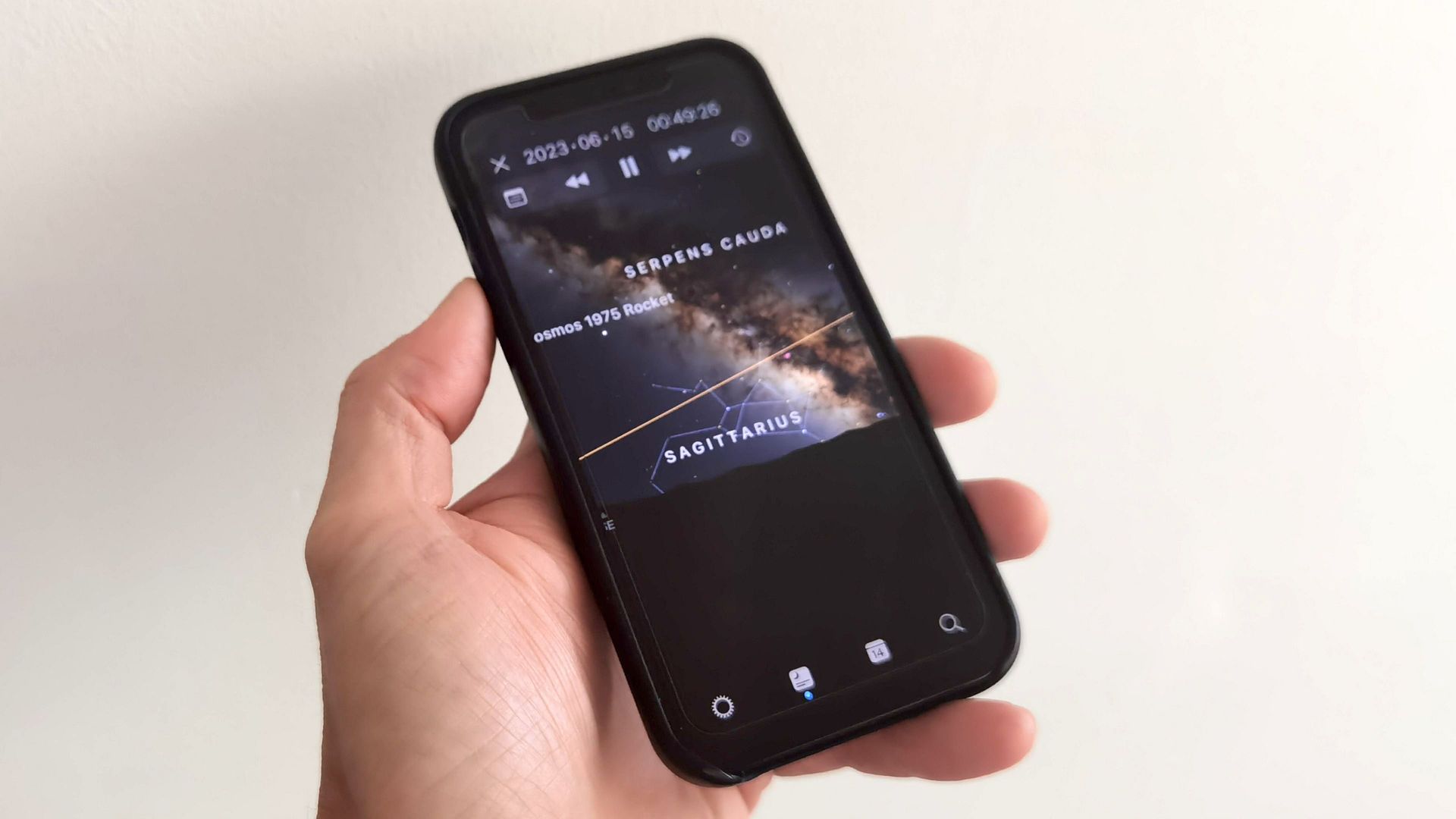
Stargazing apps can greatly enhance your enjoyment of the night sky, whether you're an experienced astronomer or just starting out. To make the most of these apps, there are a few key considerations.
Firstly, most apps require a mobile or Wi-Fi signal with data to function properly. Some apps like Stellarium Plus offer additional features with a subscription fee. It's also a good idea to familiarize yourself with the app at home before heading out into the field.
One of the most useful features of stargazing apps is their ability to identify stars and constellations. Apps like Sky Tonight use Augmented Reality (AR) to scan the sky in real-time, allowing you to point your phone's camera at an object and instantly see its name on screen. You can also search for specific objects, such as Uranus at opposition, and the app will guide you to it.
If you've taken a photo of the night sky and want to identify what you captured, apps like Sky Walk 2 can help. By inputting the GPS coordinates and adjusting the date and time, the app can show you the night sky as it looked at the moment you took the photo. This feature is available in the free version of Sky Walk 2.
Light pollution has made it more difficult to observe fainter objects in the night sky. However, stargazing apps can help you find dark sky sites near you. Apps like Sky Safari and Light Pollution Map use a scale called the Bortle scale to show light pollution levels, with black indicating the least light pollution. By using these apps, you can find darker areas for stargazing closer to home.
For planning stargazing trips, apps like Sky Safari can help you create observation lists, find out when and where specific objects will be visible, and even suggest opportunities for astrophotography. Coupled with its light pollution map, this app can be a valuable tool in planning your skywatching itinerary. If you encounter any issues with stargazing apps, try removing the phone from its case, ensuring location services are enabled, checking the accuracy of your phone's clock, sweeping your phone in a figure-eight motion to calibrate the compass, and ensuring you have a signal and data enabled.
Written by urgent.news from Space.com's reporting — not their text. Machine-written — may contain errors; check the original before relying on it.