Beef Prices in Colombia: Why Meat Costs More in 2026
Beef prices in Colombia have risen sharply in 2026, putting additional pressure on household budgets and the cost of eating out. Official statistics show that beef and its derivatives cost 14.22% more in September than a year earlier, while overall inflation reached 6.29%. From January to September, beef prices climbed 11.25%, and they rose another […]
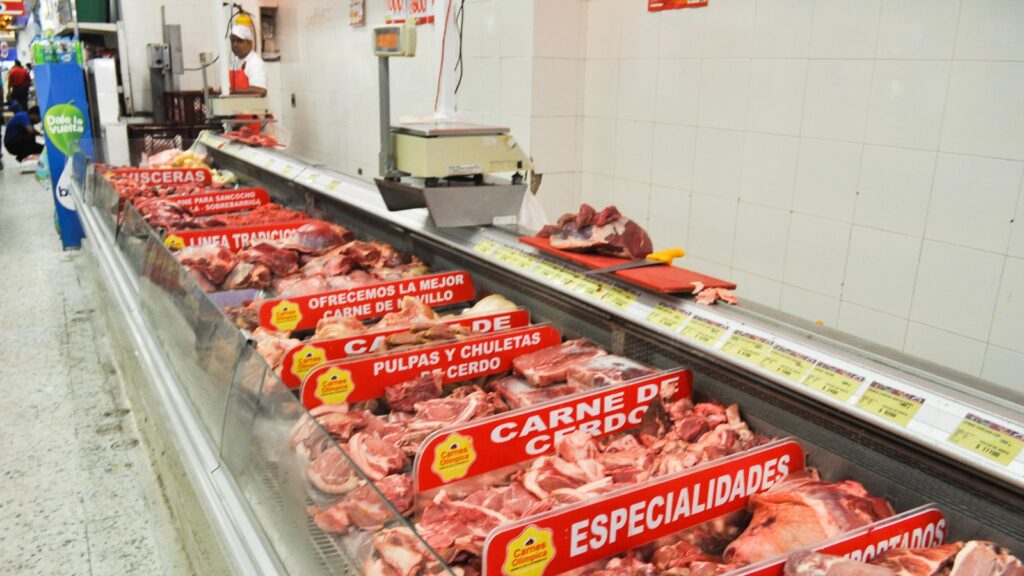
In 2026, beef prices in Colombia surged by 14.22% year-over-year, heightening financial burdens for families and the cost of dining out. According to official data, beef and its derivatives cost 14.22% more in September compared to the previous year, with overall inflation standing at 6.29%. Over the first nine months of 2026, beef prices climbed 11.25%, with an additional 0.74% increase in September alone.
This surge in beef costs impacts a staple food that is integral to Colombian diets. In 2025, Colombians consumed an average of 18.4 kilograms of beef, a 4.5% year-over-year increase, according to Bancolombia's economic research team.
The rising beef prices influence not just grocery shopping but also restaurant meals and everyday meals. The "corrientazo," a fixed-price lunch that includes soup, protein, rice, and side dishes, exemplifies how higher ingredient costs affect what Colombians pay for their meals. The underlying reasons for the price increase begin at the farm level.
From January to August, Colombia produced 523,941 tons of beef, which represents a 1.9% decrease compared to the same period last year. Additionally, the domestic supply available for consumption fell by 1.3%. Cattle ranchers attribute part of the blame to the weather. Floods in the Córdoba region, followed by an intense dry season, prevented animals from gaining weight, leading to a 1% decline in slaughter volumes during the first nine months of 2026, as reported by Fedegan, the national cattle federation.
The consequences of this squeeze in the cattle industry are evident in the farm prices. Fattened cattle sold for an average of 9,391 pesos per kilogram, a 9.2% increase compared to the previous year. This price jump equates to approximately US$2.67 per kilogram, surpassing Brazil's price of US$2.45 per kilogram. Consequently, Colombian cattle became more expensive than those from Brazil, resulting in a 43.3% decrease in exports and a 21.2% increase in imports between January and July. This shift left the cattle industry in Colombia more dependent on local demand.
Moreover, beef prices have risen more rapidly than those of other protein sources. From January to August, beef prices increased by 13.2%, while chicken prices rose by only 2.5%, and pork prices fell by 6.2%. Bancolombia warns that this gap could prompt families to substitute cheaper proteins. The bank also cautions that a strong El Niño event, characterized by drought, could further reduce supply, although the bank describes this as a potential scenario rather than an imminent occurrence.
The impact of these rising costs extends to the "corrientazo," a traditional lunch that relies on ingredients that have surged in price even more dramatically. Ingredient costs for a traditional lunch rose by 22.4% year-over-year, from around US$4.87 to US$5.93 per person. Potatoes, in particular, played a significant role in this price surge, with costs increasing by 78.24%.
Beef adds another 14.22% increase, intensifying the pressure on dishes such as bandeja paisa and sancocho (a traditional meat soup). In contrast, pork prices decreased by 6.17%, providing some relief and aiding dishes such as chuleta valluna. However, these figures represent ingredient costs, not the final price paid by diners. Restaurants must also consider additional expenses such as salaries, rent, utilities, and cooking costs.
The university analysts who examined these figures caution that the examples provided do not reflect the menu of any specific restaurant. Nevertheless, official data points in the same direction, indicating that restaurant meals rose by 9.44% over the year, making the category the largest contributor to annual inflation. For families, the decision becomes clear: they can opt for chicken or pork, reduce portion sizes, or bear the higher costs. Restaurants face similar challenges in their pricing strategies.
Written by urgent.news from Colombia One's reporting — not their text. Machine-written — may contain errors; check the original before relying on it.