Bandar Sunway sesak teruk, apa yang tidak kena?
Kesesakan teruk pada 15 Okt menimbulkan persoalan mengenai kecekapan tindak balas, penyelarasan dan pengurusan trafik di kawasan bandar maju.
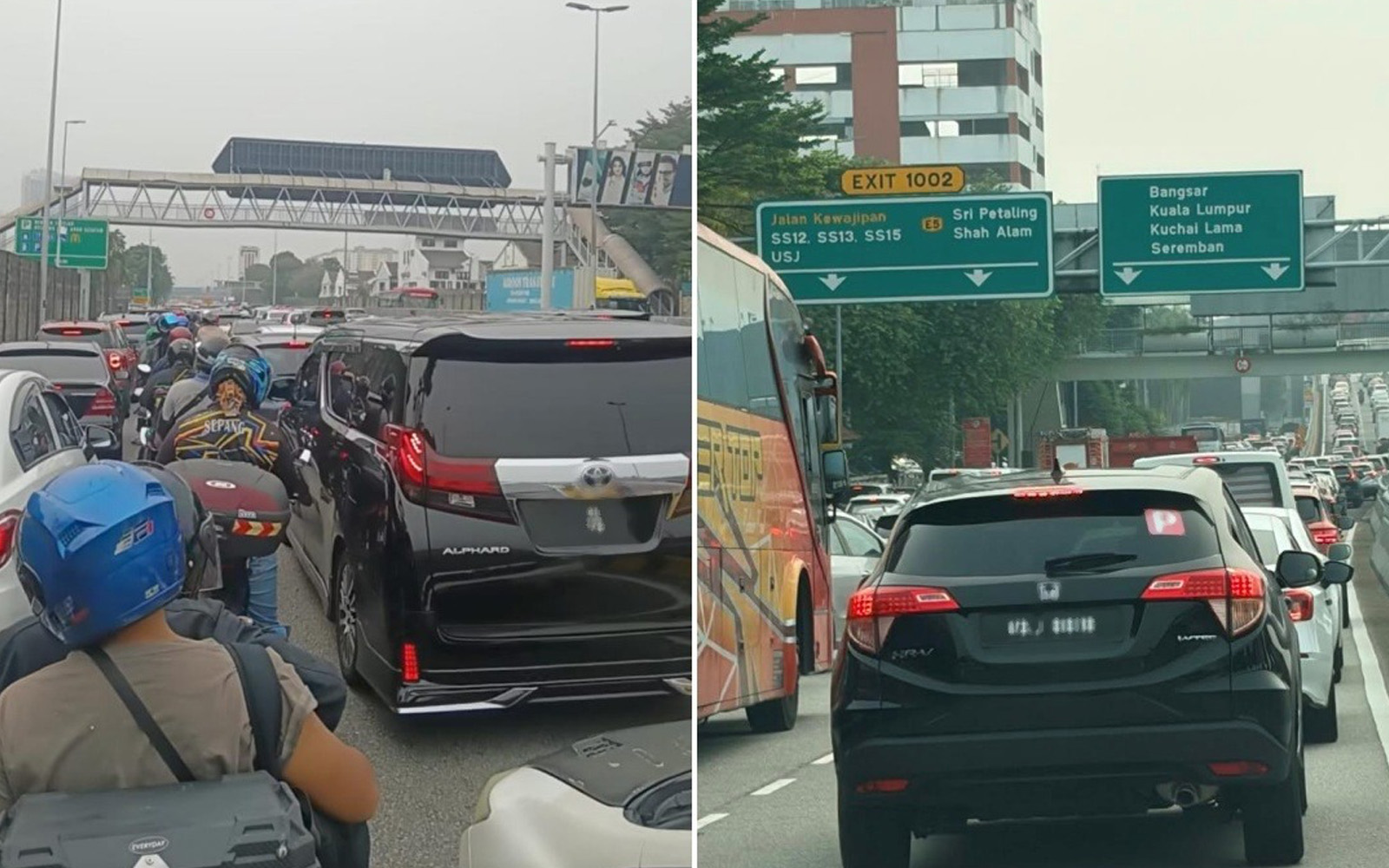
On October 15th, traffic chaos around Bandar Sunway left many commuters trapped for hours, possibly fitting into the second category of problematic days. Bandar Sunway isn't an isolated area; it's a progressive city center that houses a university, hospital, commercial zones, residential areas, and is connected by major highways and expressways.
However, road users reported becoming stuck in serious congestion around the university area and junction roads. The issue isn't just about how traffic jams can occur; accidents, damaged vehicles, and sudden increases in traffic can happen anywhere. The true measure of an efficient transportation system is how quickly an incident is handled, detours are implemented, and traffic flow is restored.
It's not just about the cause of congestion. If an accident triggers traffic jams, simply identifying its root cause doesn't explain why the disruption can persist for hours and spread to other areas. This raises questions about traffic police actions, concession company responses, Lembaga Lebuhraya Malaysia (LLM), local authorities, stranded vehicle supervisors, and related agencies.
Are assistance measures arriving promptly? Is traffic being rerouted effectively? Are alternative routes being used? Are road users receiving sufficient information before they become trapped? More importantly, who coordinates all these actions? This isn't about pointing fingers at any individual. It needs to be answered to understand if the procedures are functioning as intended.
If the response team acted promptly but the road network can't handle the volume of vehicles, then that needs to be explained. If delays hinder vehicle movement, inadequate traffic management or poor coordination might be contributing to the congestion, in which case those weaknesses need to be identified and addressed. The goal isn't to find a scapegoat, but to ensure similar incidents don't recur.
Traffic jams also come with costs. Commuters lose productive time, students might miss classes, patients arrive late for appointments, and logistics and business operations suffer. Meanwhile, road users waste fuel and endure stress from being stuck in traffic. For an area like Bandar Sunway, which is a hub for education, healthcare, and commerce, the impact can be far-reaching, affecting not just road users but the entire community.
Malaysia often talks about competitiveness, investment, and productivity. However, productivity isn't solely dependent on building more roads or constructing new infrastructure. It also depends on how efficiently the existing infrastructure is managed every day. Shared responsibility isn't the same as divided responsibility. Sure, no single agency is responsible for every aspect of a road incident.
Police manage traffic, concession companies run expressways, stranded vehicle supervisors reroute vehicles, and others communicate information to users. However, when too many parties are involved, shared responsibility shouldn't turn into responsibility that's too fragmented, leaving ordinary people unsure of who is actually coordinating the actions.
Various agencies may have distinct areas of authority, but for road users, they should function as one system. Local representatives also have a role. While they may not control traffic or direct operations on the ground, they can seek explanations and bring community concerns to the responsible parties. For the October 15th incident, several quick answers might provide clearer insight.
When did the disruption first get reported? When did response teams arrive? How long did it take to clear the obstruction? What traffic management measures were taken, and when did normal conditions return? Answers to these questions can be measured. So, they should be explainable based on facts. Could the problem be a shortage of expertise?
This incident also brings up larger questions about how Malaysia manages its urban transportation system. Do we have enough experts in urban planning, traffic engineering, incident management, and logistics? Or is it possible that the country has many experienced professionals, but their expertise hasn't been fully utilized in planning and operational management?
The question might not just be about the number of experts alone. It also involves how responsibilities are shared, how information is shared between agencies, who has the authority to make decisions during emergencies, and whether operational performance is evaluated after an incident. Lessons from past events should translate into better procedures.
We can't continue reacting to major congestion every time it happens and then revert to normal routines once things calm down. A progressive city shouldn't be judged solely on tall buildings, commercial centers, or expressways. The ability of its system to respond when problems arise is also a measure of progress. Accidents can happen.
Traffic jams can't be completely avoided. But when an incident causes hours of disruption, there should be investigation, accountability, and improvement after that. Perhaps Malaysia doesn't lack systems or talent. What might be lacking is a sense of urgency and readiness to act.
Written by urgent.news from Free Malaysia Today's reporting — not their text. Machine-written — may contain errors; check the original before relying on it.
Also reported by 1 other outlet
- Bandar Sunway sesak teruk, apa yang tidak kena? freemalaysiatoday.com