Bagaimana pelarian tak bekerja bayar insurans, kerajaan disoal
Tenaganita berkata kerajaan tak boleh nafi hak asas pelarian sambil harapkan mereka penuhi kewajipan kewangan.
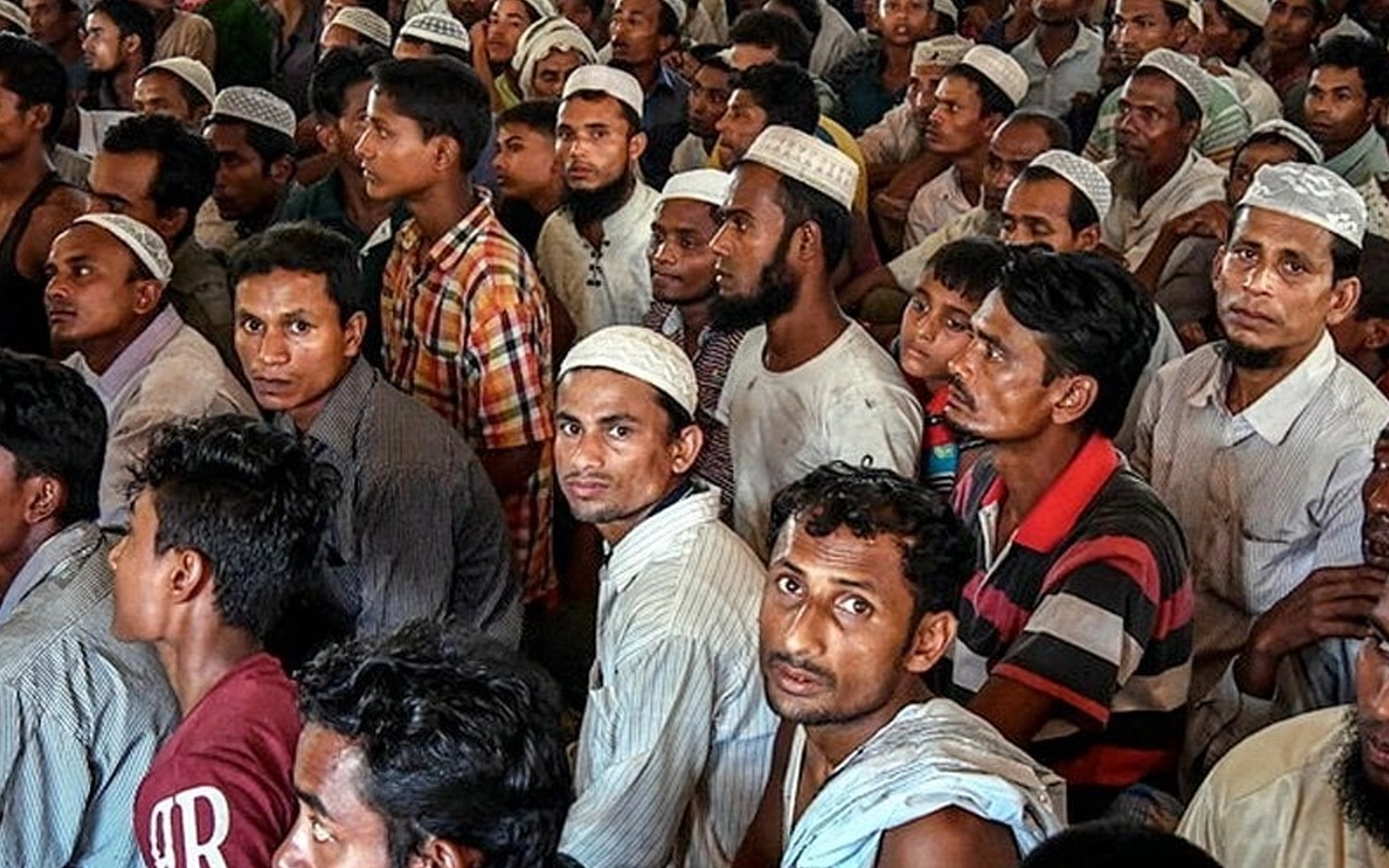
Tenaganita, an NGO that advocates for migrant and refugee rights, has criticized the Malaysian Health Ministry's proposal to make health insurance mandatory for refugees and those seeking asylum. Executive Director of Tenaganita, Glorene Das, stated that refugees are not permitted to legally work in Malaysia, forcing them to rely on unstable incomes and many struggling to meet basic needs.
Das acknowledged the existence of the Refugee Medical Insurance Scheme (Remedi), which provides coverage at approximately RM183.60 annually, but emphasized that the amount is still too high for refugees. "How can we impose insurance on a group legally barred from seeking income? We cannot deny the basic rights of refugees while expecting them to meet financial obligations," Das told FMT.
Das suggested that the government should first assess the existing mechanism like Remedi, identifying payment capabilities and protection gaps, before implementing such a scheme. He proposed a more sustainable solution by first granting refugees the right to work legally in Malaysia, enabling them to fund their own healthcare while contributing to the local economy.
Last week, the Health Ministry proposed mandating health insurance for refugees and asylum seekers to help cover medical costs and prevent healthcare bills from continuing to rise. Health Ministry Deputy, Hanifah Hajar Taib, said the requirement should apply to refugees and asylum seekers registered under the government's registration system, known as the DPP.
She noted that over 80% of hospital bills involve undocumented migrants and undocumented individuals. An insurance-related think tank argued that the Health Ministry must ensure its proposal truly provides medical coverage, taking into account the recurring issue of insurance for migrant workers in Malaysia. Galen Center Executive Director Azrul Khalib said migrant workers are already required to have medical insurance to work in Malaysia, but concerns remain about where the money from premiums goes and whether it is used to provide the promised healthcare protection.
"Where does the money from the premiums paid for their insurance go? Does this fund provide the health protection that has been paid for?" Khalib asked. Azrul stated that the proposal itself is not unrealistic, given that the Remedi scheme is open to all refugees registered with the United Nations High Commissioner for Refugees (UNHCR) up to the age of 60, supported by Allianz.
He suggested the Health Ministry involve competent insurance and takaful managers to manage the proposal, as this would be the best way to handle compensation while giving refugees and asylum seekers access to private healthcare systems.
Written by urgent.news from Free Malaysia Today's reporting — not their text. Machine-written — may contain errors; check the original before relying on it.
Also reported by 1 other outlet
- Bagaimana pelarian tak bekerja bayar insurans, kerajaan disoal freemalaysiatoday.com