As US states cull recently restored wolf populations, here’s what we stand to lose (commentary)
For centuries, wolves have been cast as vicious, bloodthirsty creatures of nightmares and fairy tales, rather than as deeply social animals with an important place in nature. We wanted to understand the animal behind those stories. So, in the 1990s, we spent six years living alongside a pack of gray wolves (Canis lupus) on the […]
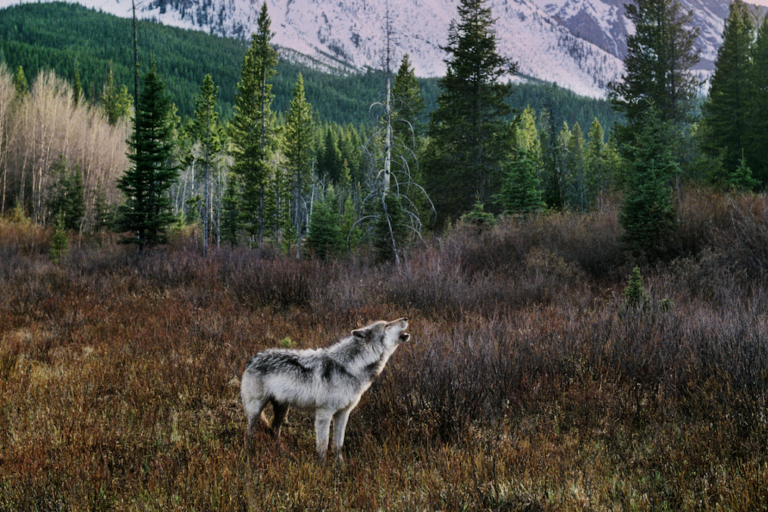
For centuries, wolves have been portrayed as vicious, bloodthirsty creatures in nightmares and fairy tales, rather than the deeply social animals they truly are. To gain a better understanding of these animals, a team spent six years living among a pack of gray wolves on the outskirts of Idaho's Sawtooth Wilderness in the 1990s. By camping, listening, filming, and gradually integrating into the wolves' world, they discovered a very different animal from the one humans have been conditioned to fear.
They observed wolves raising their pups, caring for the injured, and mourning their dead. When a mountain lion took a pack member, the loss affected the wolves for over six weeks. Most importantly, they learned that a wolf pack is an extended family bonded by relationships, experience, and knowledge passed down through generations.
The Dutchers' camp was enclosed by chain-link fences, not to shield them from the wolves, but to safeguard their gear from the animals' insatiable curiosity. This newfound knowledge of wolves shapes our perception of their current plight across the American West. After decades of effort and resources invested in restoring gray wolves to a fraction of their former range, U.S. states are now implementing aggressive policies to drastically reduce their numbers once more.
In Idaho, legislation passed in 2021...
Written by urgent.news from Mongabay's reporting — not their text. Machine-written — may contain errors; check the original before relying on it.