Artavazd Pelechian’s Distant Connections
Through his “distance montage” technique, the Armenian filmmaker’s masterpieces are built around impressions, not stories.
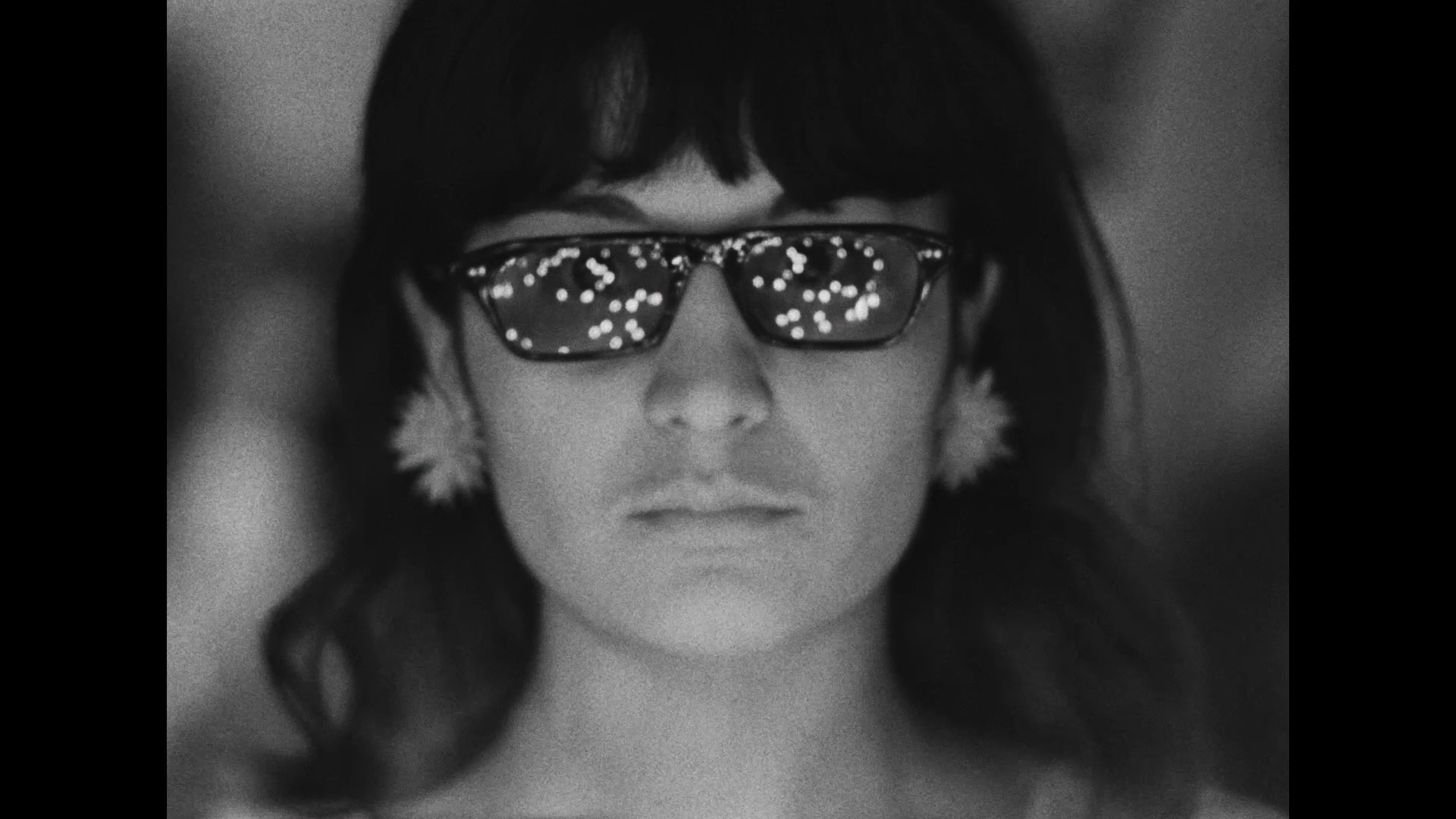
Artavazd Pelechian, an Armenian filmmaker active during the Soviet era, has been recognized internationally for his unique approach to filmmaking. Despite a modest filmography consisting of only 13 works, primarily short films and two features totaling no more than an hour, his impact has grown significantly in recent years. Following the release of Nature in 2019, his work has gained renewed attention, leading to 4K restorations of his films that premiered at various festivals worldwide in 2026.
Pelechian's career took off at the prestigious All-Union State Institute of Cinematography in Moscow during the 1960s, where he studied alongside renowned Soviet directors such as Sergei Eisenstein, Vsevolod Pudovkin, and Dziga Vertov. These influential figures shaped the foundations of early cinema, but Pelechian chose to forge his own path.
Instead of following the traditional montage techniques favored by his predecessors, he developed his own style, which he referred to as "distance montage." In contrast to Eisenstein's belief that individual elements within a film carry meaning, Pelechian argued that each fragment held no inherent significance on its own. Instead, he believed that the entire film held the true meaning.
Scott MacDonald, interviewed in the 1990s, provided insight into Pelechian's approach. He explained that while Eisenstein viewed editing as a tool to transition from one scene to another, Pelechian saw editing as a means to see where the film truly existed. By emphasizing the importance of the whole film rather than individual fragments, Pelechian created a distinctive and thought-provoking cinematic experience.
His films, unified by intricate shot assemblages and distinct themes, have captivated audiences and critics alike, cementing his place in the annals of filmmaking history.
Written by urgent.news from Hyperallergic's reporting — not their text. Machine-written — may contain errors; check the original before relying on it.