A week with RTX Spark: everything we’ve learned using Nvidia’s new laptops
Nvidia's RTX Spark N1X processor is finally here, and we've been collectively testing a small fortune's worth of powerful laptops sporting this new "superchip." RTX Spark is designed to be a high-performing Arm-based SoC for laptops and small desktop computers, rivaling the best from Apple, Intel, AMD, and Qualcomm. It has loads of cores, Nvidia […]
Nvidia's RTX Spark N1X processor has arrived, and we've had the opportunity to test several high-powered laptops featuring this new "superchip." Designed for laptops and small desktop computers, RTX Spark rivals Apple, Intel, AMD, and Qualcomm in terms of performance. It boasts a plethora of cores, Nvidia RTX Blackwell graphics, and ample unified memory to run substantial local AI models.
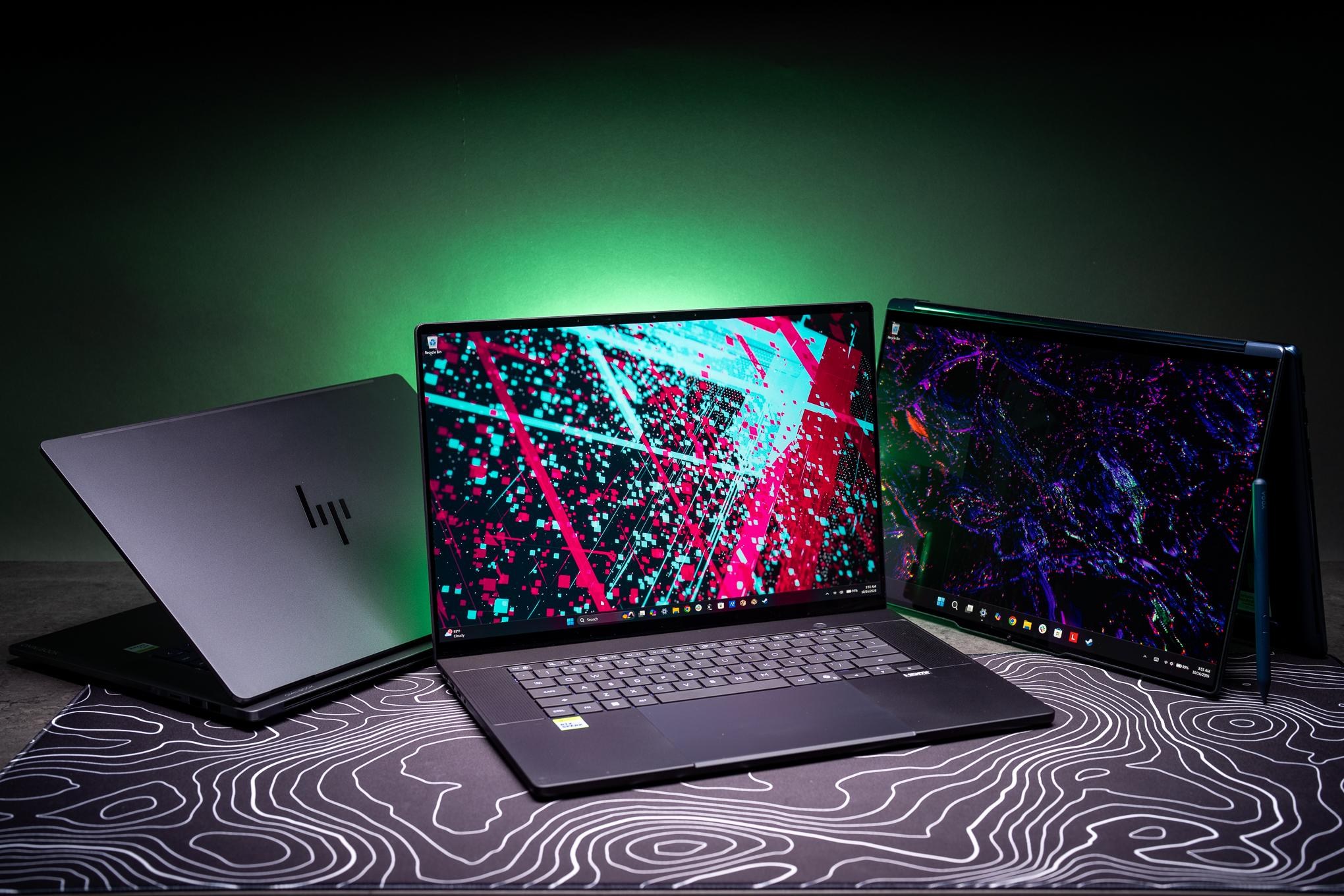
Microsoft's Surface Laptop Ultra, equipped with the RTX Spark chip and 128GB of unified memory, has received a full review from Tom Warren. Sean Hollister has been testing a 64GB version of the Asus ProArt P16, while I have been assessing the top-spec 128GB configuration of the same laptop, as well as a 64GB Lenovo Yoga 9n 2-in-1 and a 32GB HP OmniBook Ultra.
Each laptop sports the same N1X chip with 20 CPU cores and 6,144 GPU CUDA cores, but they come at a hefty price tag, ranging from $2,599.99 for the Asus ProArt P14 with 24GB of RAM to $6,999.99 for the Asus ProArt. These laptops are intended for developers, coders, content creators, and those who might also want local AI capabilities and the ability to play games using the latest Nvidia technology like DLSS 5.
After testing these laptops for a week, here are our impressions. Windows on Arm is no longer a subpar experience, thanks to the push for native Arm-based apps for Windows, as well as Prism emulation layer support for x86 apps. Developers have embraced native Arm versions of Adobe software like Photoshop and Premiere, though specialized x86-based software may pose issues. Overall, RTX Spark laptops work well, but gaming and AI performance vary depending on the title.
Written by urgent.news from The Verge's reporting — not their text. Machine-written — may contain errors; check the original before relying on it.