A Tesla Flying Car? I Don’t Know, Man
The Federal Aviation Administration will likely have thoughts about the Tesla Roadster 2’s ability to leave the ground.
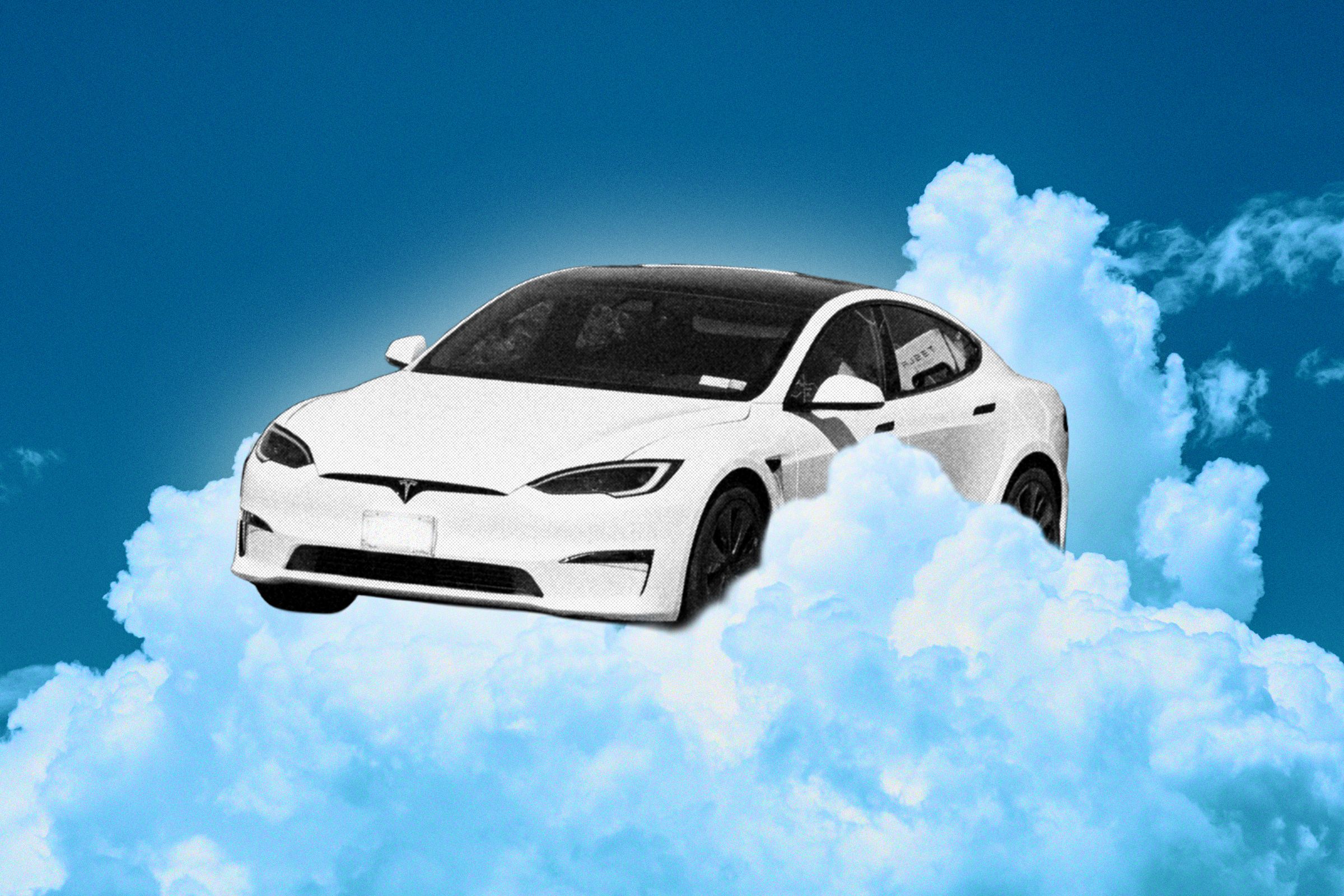
Tesla showcased a prototype of its upcoming Roadster 2 sports car at SpaceX's facility on Thursday. The vehicle, which will likely be very expensive, made a brief, uncontrolled flight of a few dozen feet during the demonstration. CEO Elon Musk emphasized that the car is still in the development stage and does not yet have a set price or production date, estimated for 2028.
Aviation experts suggested that the Roadster 2 might have some flying car capabilities, but it would require numerous government approvals and regulatory hurdles. Scott Miller, an airline pilot and lecturer, noted that the Federal Aviation Administration (FAA) governs any machine that leaves the ground, introducing legal complexities. Musk acknowledged during the event that the vehicle may not be legally compliant in all jurisdictions.
Obtaining FAA certification for such a vehicle could take at least a year, according to Michael McCormick, a former FAA official now leading the Air Traffic Management program at Embry-Riddle Aeronautical University. Additionally, standard driver's licenses would not be sufficient for operating a flying vehicle; a recreational aviation license would likely be necessary.
Landing and taking off from the Roadster 2 would likely be restricted to large, private properties, as most states require aircraft to use designated runways. Scott Miller highlighted that launching from regular roads would likely be prohibited in most areas. The FAA is currently working on rules and regulations for electric vertical take-off and landing (eVTOL) vehicles, which could provide a potential alternative for urban commuting.
Despite the challenges, the demo impressed aviation expert Miller, who praised Tesla's engineering and production capabilities if the Roadster 2 does make it to production.
Written by urgent.news from Wired's reporting — not their text. Machine-written — may contain errors; check the original before relying on it.